Morioka Hachimangu Shrine
盛岡八幡宮
A shrine built by a Nanbu lord in 1680, close to Morioka's daily life, with vermilion halls, vivid carvings and festivals of decorated horses and floats.
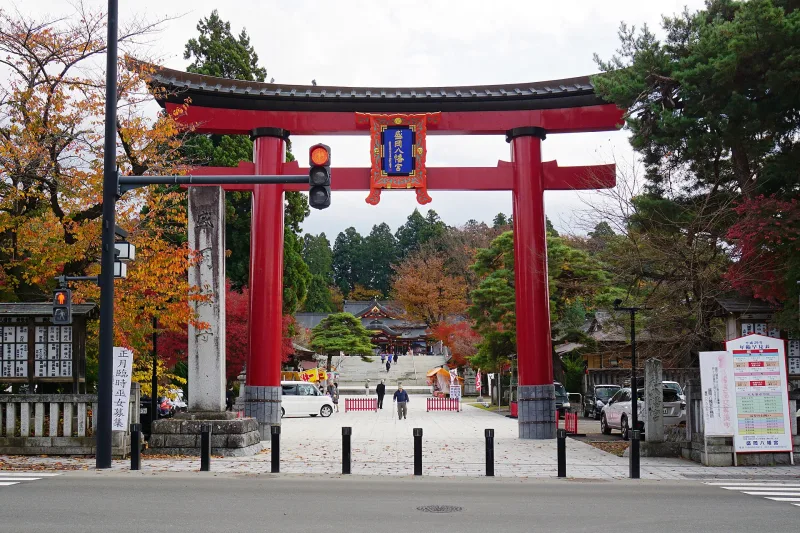
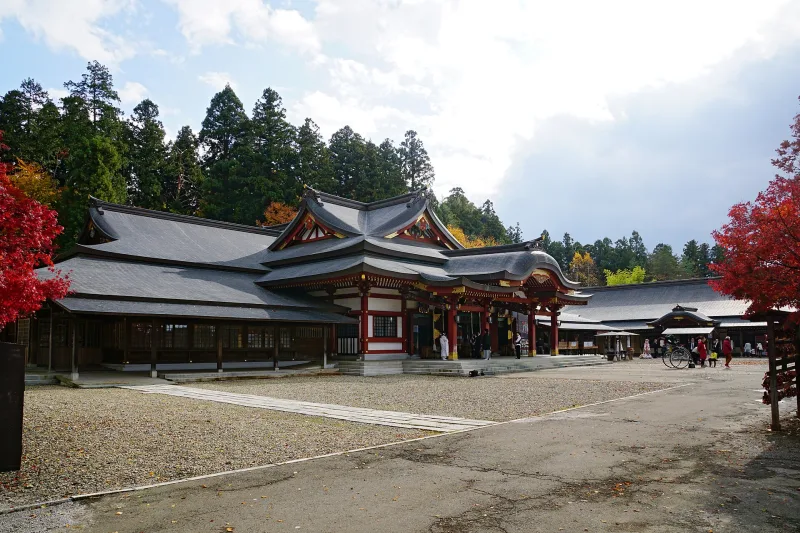
A shrine built by a Nanbu lord to protect everyday life
Morioka Hachimangu Shrine was built in 1680 by Nanbu Shigenobu, the 29th lord of the Morioka domain. It enshrines Hondawake-no-mikoto, identified with Emperor Ojin, the 15th emperor, and local people have long cherished him as a god who protects every part of life: farming, industry, business, learning and more.
Iwate Prefecture's official tourism site calls it "the largest shrine in the prefecture", and people come all year round for weddings and other milestones in life.
Vermilion halls and vivid carvings
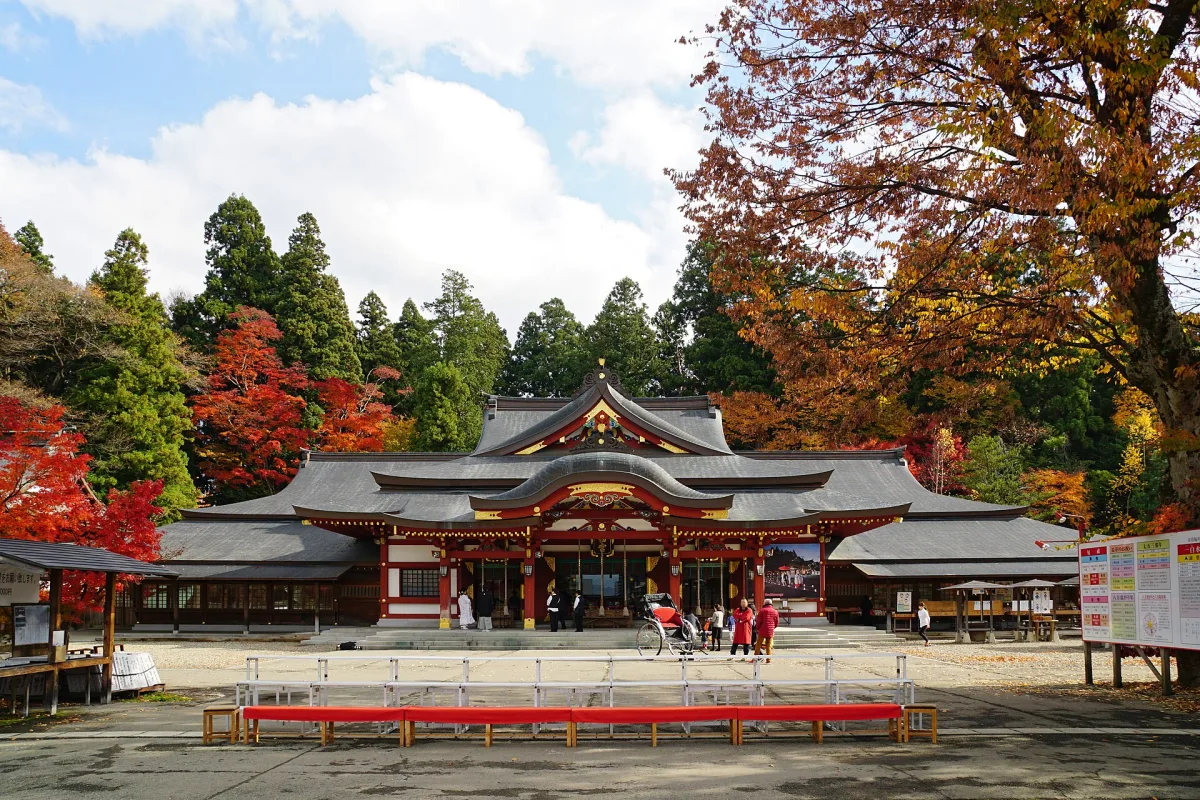
The shrine buildings have been rebuilt many times because of Morioka's great fire of 1884 and long years of wind and snow. The present buildings were newly built in December 1997, with vermilion-lacquered walls and brightly painted carvings.
All around the grounds you will see carvings of paulownia (kiri) flowers, Iwate's prefectural flower. And, much as other shrines have komainu (guardian lion-dog statues), this shrine has wooden statues of doves, regarded as messengers of the god, which is typical of Hachiman shrines. The lower worship hall is open for prayers 24 hours a day.
Jingling horse bells in early summer, floats in autumn
Every year on the second Saturday of June comes Chagu Chagu Umakko. About 100 horses decked out in brightly coloured costumes and many bells parade some 14 km from Onikoshi Sozen Shrine in Takizawa city to Morioka Hachimangu. The name comes from the "chagu chagu" jingle of the bells with every step, a sound chosen for the Ministry of the Environment's list of 100 Soundscapes of Japan worth preserving.
From 14 to 16 September the Morioka Autumn Festival is held to coincide with the shrine's annual grand festival. It has about 300 years of history, and each year around 10 dashi (decorated festival floats) are pulled through the streets, each by about 200 young people. On the 15th, yabusame, mounted archery performed as a Shinto ritual, is offered to the god.
Getting there
From JR Morioka Station, take a local bus and get off at Hachimangu-mae or a nearby stop.
Tips
- On Chagu Chagu Umakko day, the decorated horses gather at the shrine, which is the finish of the parade. If you want to see them, aim for the second Saturday of June.
- Look for paulownia flowers and doves among the carvings on the shrine buildings, and you will see what sets it apart from other shrines.
- Times and routes of festival events change from year to year, so check the Morioka city site or the shrine's official site.
Sources
Updated 30 September 2026. Opening hours and prices change, so check the official site before you go.