Why Japan? Everyday Japan, explained
Why are there no trash cans? Why do trains apologise for a one-minute delay? The answers, with history and practical tips.
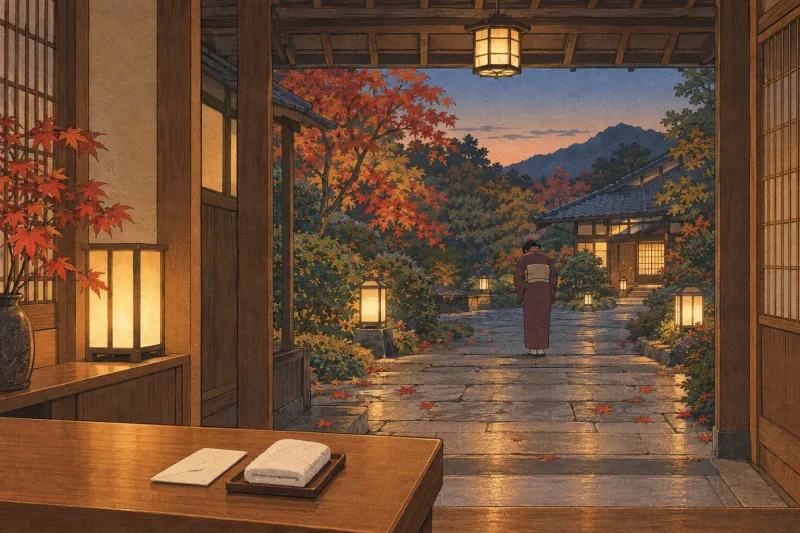
Why Is Tipping Considered Rude in Japan?
It is less "rude" than "awkward". How tipping disappeared from Japan, and the best ways to say thank you instead.
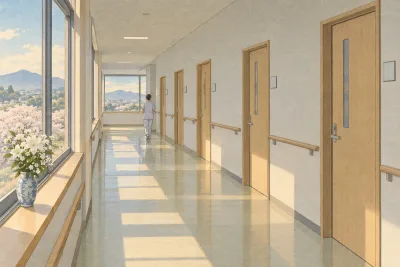
Why Is the Number Four Unlucky in Japan?
The reason is simply how it sounds. Traces of it survive in hospital room numbers, car number plates and even gift-giving etiquette.
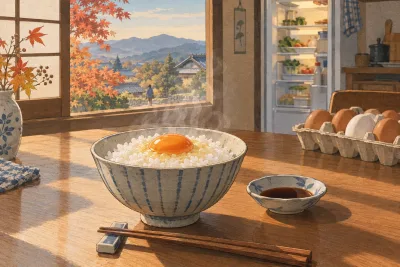
Why Is It Safe to Eat Raw Eggs in Japan?
Raw egg on rice is an everyday dish in Japan because the whole chain from farm to table is built on the assumption that eggs will be eaten raw.
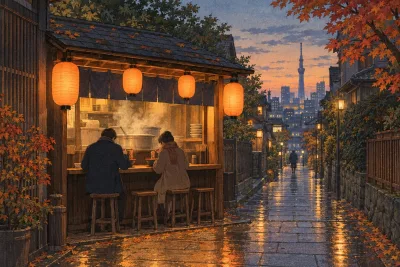
Why Is It OK to Slurp Noodles in Japan?
Eating noisily is bad manners in Japan too. So why do noodles get a pass? The answer lies in Edo-period food stalls and in aroma.
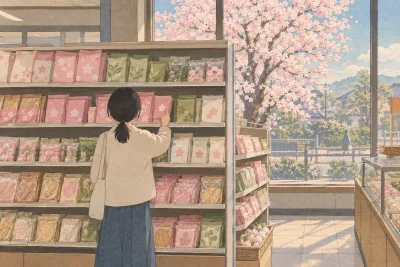
Why Is Everything in Japan a Seasonal Limited Edition?
Cherry blossom flavours in spring, chestnut and sweet potato in autumn. An old food culture of the seasons meets our weakness for "only for now".
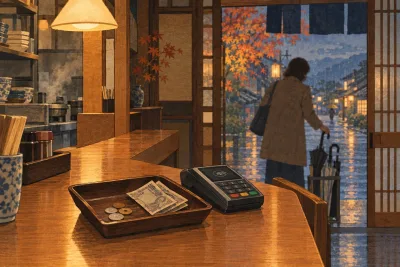
Why Is Cash Still So Common in Japan?
Low crime, low interest rates and card fees for shops all explain Japan's love of cash. But in the last few years, things have been changing fast.
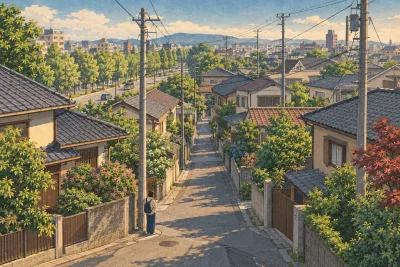
Why Don't Most Streets in Japan Have Names?
Japanese addresses number blocks, not streets. Roads are not the stars of an address; they are just the lines between blocks.
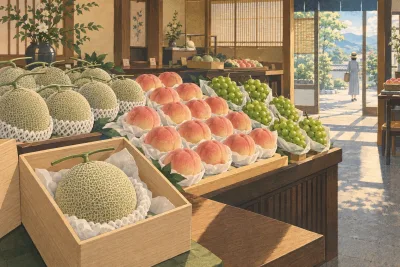
Why Is Fruit So Expensive in Japan?
Peaches at several thousand yen each, melons over 10,000 yen. The prices come down to a culture of gift-giving and very labour-intensive growing.
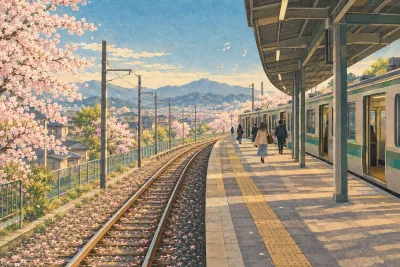
Why Does Every Train Station in Japan Have Its Own Departure Melody?
It began with complaints about noisy bells. How a small fix for station noise grew into a way for each town to introduce itself.
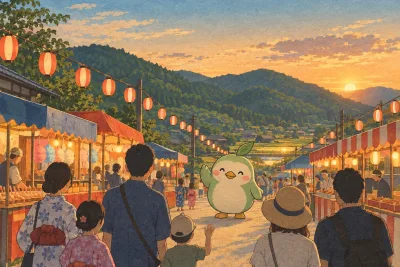
Why Does Every Town in Japan Have Its Own Mascot?
Prefectures, cities, even the police have a "yuru-kyara" mascot. Behind the cuteness lies a serious business: selling your region to the world.
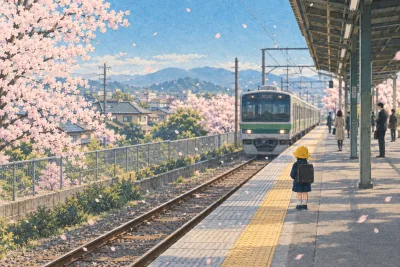
Why Do Young Children in Japan Ride the Train Alone?
Young pupils with randoseru backpacks riding trains alone: behind it lie low crime, school travel systems and a habit of community watch.
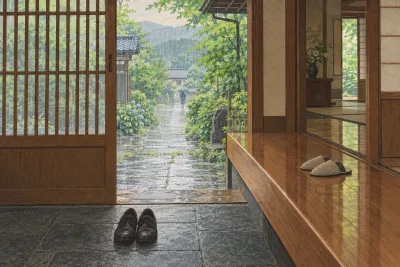
Why Do Japanese People Take Their Shoes Off Indoors, and What Are Toilet Slippers For?
Sitting and sleeping on the floor in a humid climate. The step at the entrance marks "inside" from "outside"; toilet slippers draw one more line within.
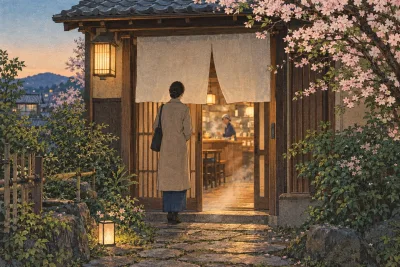
Why Do Shop Staff in Japan Say "Irasshaimase" When You Walk In?
An Edo-era barker's call became a greeting that means "we've noticed you". Plus why you don't need to reply.
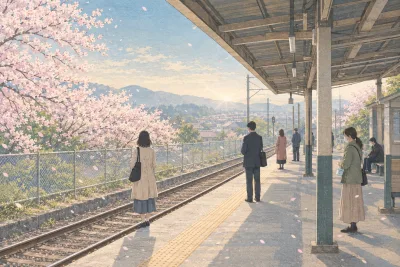
Why Do People in Japan Wear Face Masks When They Aren't Sick?
Hay fever, not wanting to pass things on, a pandemic 100 years ago and a sense of security: why masks became part of everyday life in Japan.
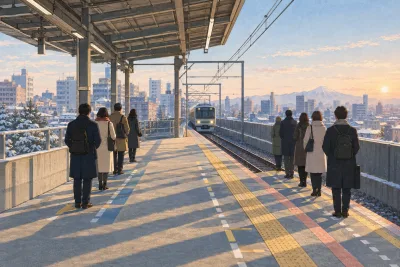
Why Do People in Japan Queue So Neatly?
"The Japanese are just well-mannered" doesn't explain it. It comes from systems built to run packed cities, plus a habit of going along with them.
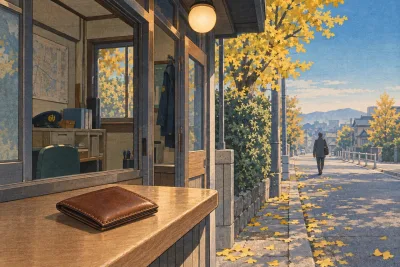
Why Do Lost Wallets Get Returned in Japan?
"Japanese people are honest" doesn't fully explain it. The keys are detailed laws, the koban police box and a habit of handing things in.
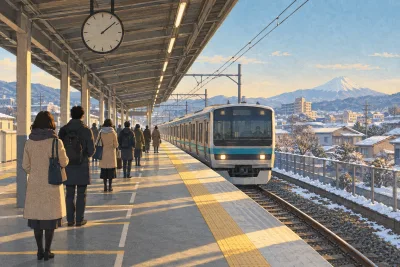
Why Do Japanese Trains Apologise for Being One Minute Late?
The apology is more than a formality. How a commuter society timed to the minute works, and the hard lesson behind all that punctuality.
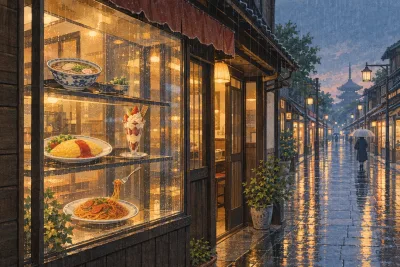
Why Do Japanese Restaurants Display Plastic Food?
Those lifelike food models are a "3D menu" born in Japan about 100 years ago. Here is how they started and why they are still used today.