Iwate
Iwate stretches from mountain towns and farmland to the Sanriku coast, with Buddhist heritage, folk tales and a hearty appetite for noodles.
Map outlines: Natural Earth
-
1
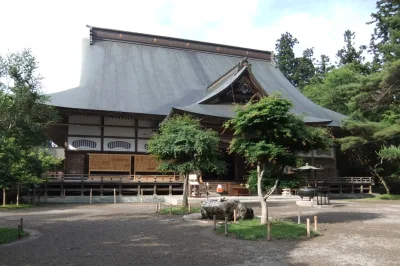 Chuson-ji Temple
A Hiraizumi temple whose gold-leafed Konjikido survives as it was 900 years ago. A World Heritage temple built to mourn those lost in war.
Chuson-ji Temple
A Hiraizumi temple whose gold-leafed Konjikido survives as it was 900 years ago. A World Heritage temple built to mourn those lost in war.
-
2
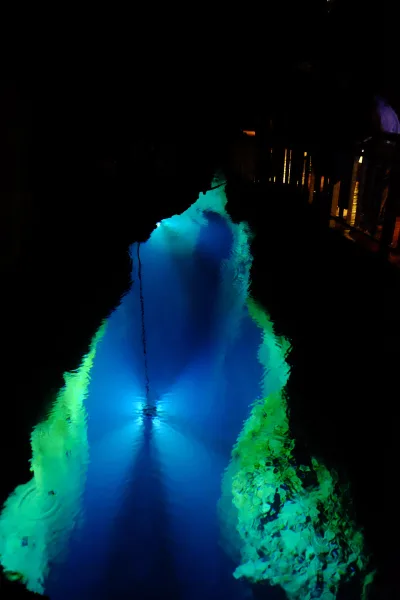 Ryusendo Cave
A cave in Iwaizumi, Iwate, counted among Japan's three great limestone caves, where you can gaze into clear underground lakes of a blue known as "Dragon Blue".
Ryusendo Cave
A cave in Iwaizumi, Iwate, counted among Japan's three great limestone caves, where you can gaze into clear underground lakes of a blue known as "Dragon Blue".
-
3
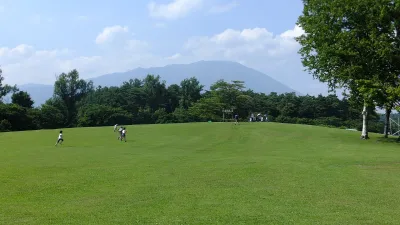 Koiwai Farm
One of Japan's largest farms, opened in 1891 at the foot of Mount Iwate. Meet sheep and horses and walk through farm scenery dating back to the Meiji era.
Koiwai Farm
One of Japan's largest farms, opened in 1891 at the foot of Mount Iwate. Meet sheep and horses and walk through farm scenery dating back to the Meiji era.
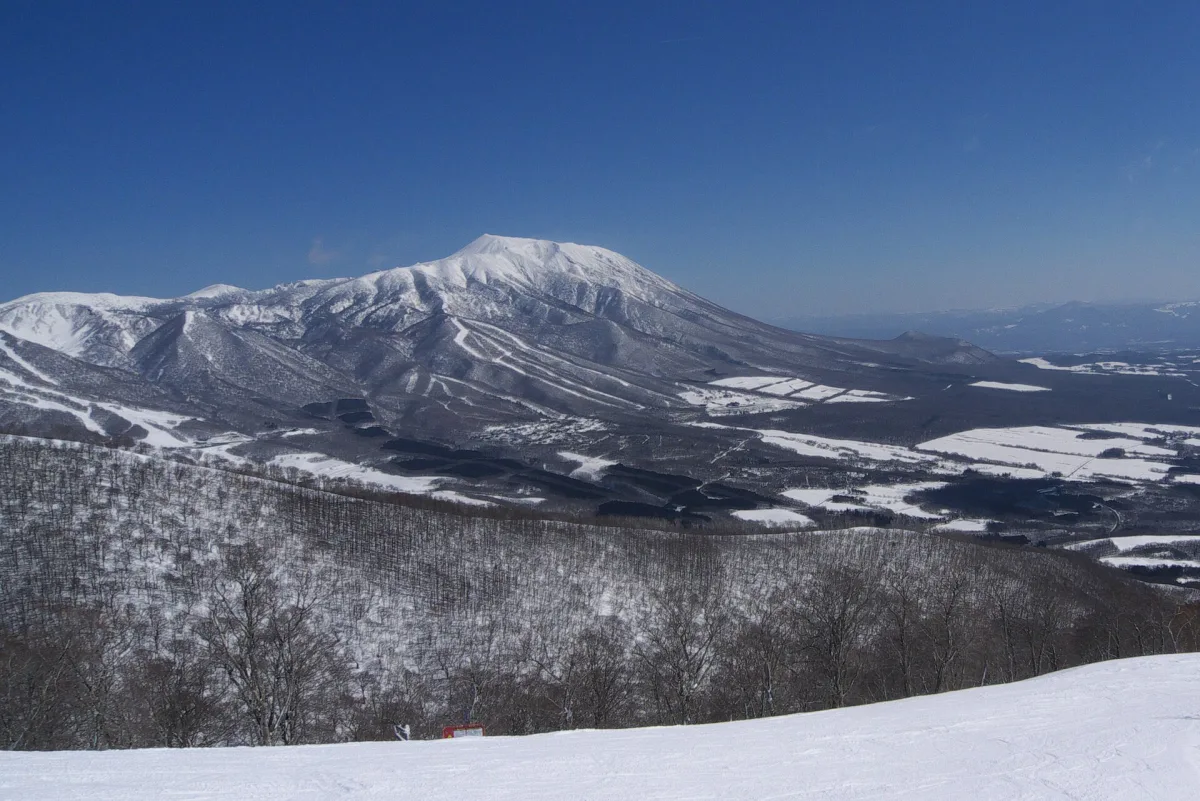

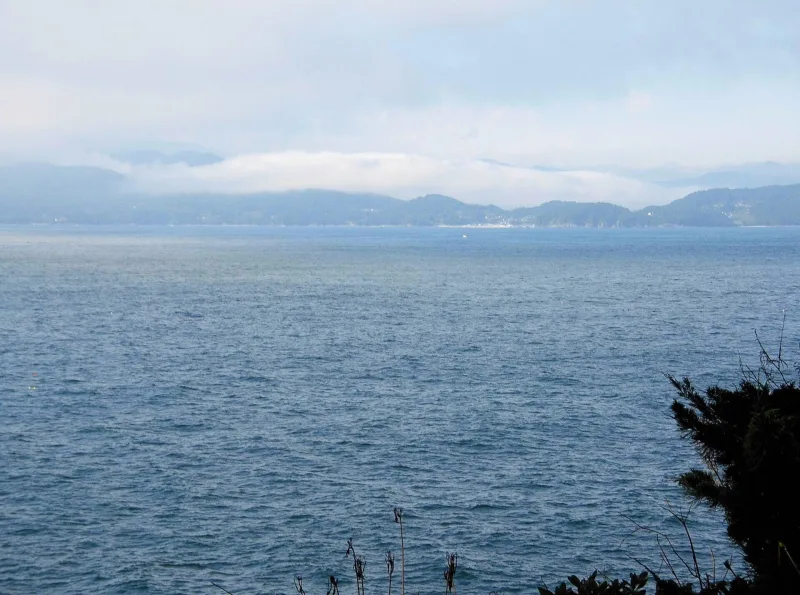

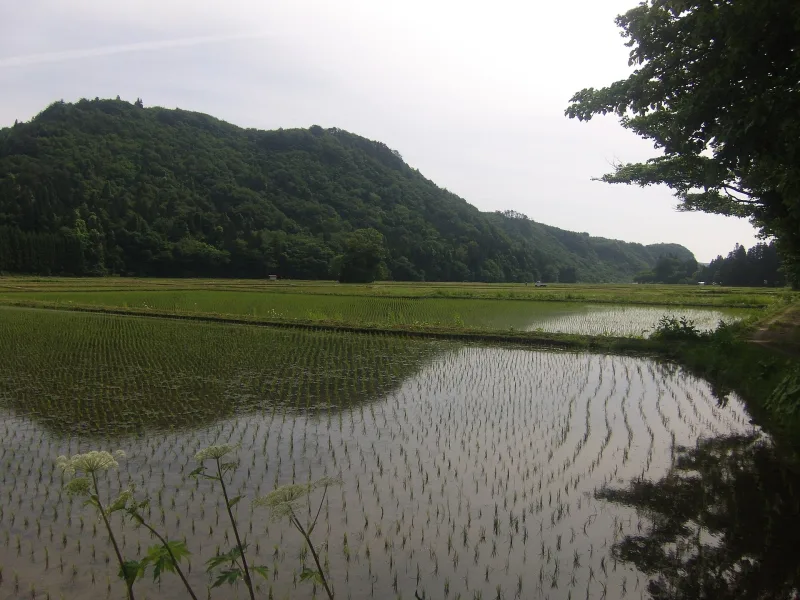

From Mount Iwate to the Sanriku coast
Iwate is a large prefecture in northeastern Japan, and its inland and coastal landscapes feel completely different. Morioka, the prefectural capital, sits at the foot of Mount Iwate on the banks of the Kitakami and Nakatsu rivers. Further west are the Ou Mountains and the hot spring areas of Hachimantai and Hanamaki. To the east, the Sanriku coast meets the Pacific in a chain of bays, inlets and fishing towns.
Near Miyako, Jodogahama (the name means "Pure Land beach") has a beach of pale pebbles and calm water. Further north, Kitayamazaki is a stretch of coast with towering cliffs and sharply shaped rocks. The sea is central to life here, but its dangers are part of the story too. Iwate's coast was struck by the 2011 earthquake and tsunami. Sanriku Fukko National Park (fukko means reconstruction) was established as part of the region's recovery, and memorials and remembrance facilities along the coast ask visitors to keep in mind what happened.
The gardens of Hiraizumi and the tales of Tono
Hiraizumi, in southern Iwate, was a centre of power in the 11th and 12th centuries. The Oshu Fujiwara clan arranged temples, ponds, trees and views of Mount Kinkei to express Pure Land thought, a Buddhist tradition concerned with a peaceful Buddhist paradise. At Chuson-ji, the lavishly gilded Konjiki-do (Golden Hall) survives from that era. At Motsu-ji, the garden makes it easy to picture the relationship between water and landscape. Hiraizumi's World Heritage listing does not recognise individual buildings alone: the setting around them is part of the design too.
Iwate has another kind of heritage in Tono, a mountain area known for its folk tales. The stories there feature kappa, mischievous water creatures, and are still told as part of local life. That is why visiting Tono feels different from visiting Hiraizumi: one preserves the vision of medieval rulers, while the other keeps people's voices and stories in circulation.
Noodles, mochi and handmade goods
Morioka's three great noodle dishes each have their own character. Reimen is cold noodles served in a cold soup, often with kimchi. Jajamen is thick noodles eaten mixed with a sauce of minced meat and miso. Wanko soba turns soba (buckwheat noodles) into a meal of small portions served again and again: as soon as you finish one bowl, the server adds the next. The custom comes from the way guests were once entertained in Morioka and Hanamaki.
Around Ichinoseki and Hiraizumi, mochi (made by pounding glutinous rice) can be a meal rather than just a sweet. Local ways of eating it include savoury toppings as well as sweet ones, a tradition rooted in the region's ceremonial meals. On the coast, fishing towns bring seafood such as sea urchin and abalone to the table.
Iwate's products feel at home in the kitchen and at the table too. Nanbu tekki is cast ironware made in Morioka and the Mizusawa district, especially famous for its iron kettles and teapots. Traditional lacquerware is another example of the care given to everyday objects. Seen alongside the food, these crafts show that much of Iwate's identity is something made, served and used, not merely put on display.
Local hospitality through drums and stories
Wanko is the local dialect word for a wooden bowl. In wanko soba, this modest word carries a whole style of hospitality: small servings keep arriving one after another, giving the meal its own cheerful rhythm. It is one way to see that Iwate's customs are not confined to museums.
The Morioka Sansa Odori carries that sense of togetherness into the streets in summer. Sansa odori means "sansa dancing", and groups dance to wadaiko (Japanese drums), flutes and chants. Travellers can watch the parade and, during the times when participation is open, join the dancing too. In Tono the mood is quieter. Local guides and residents still tell the area's folk tales, treating the stories as something passed from person to person rather than kept on a shelf.
A trip that changes with the seasons
In Kitakami you can see spring arrive: at Tenshochi Park, an avenue of cherry trees runs along the river. The old castle site in Morioka is another place to enjoy the blossoms. In summer, attention shifts to the coast, with spots such as the pebble beach at Jodogahama drawing visitors, while the Sansa Odori fills Morioka with the sound of drums.
In autumn the rice fields around Ichinoseki turn golden and the mountains around Hachimantai change colour. It is a good season to take your time over Hiraizumi's gardens or to stroll among the trees of Morioka. In winter the mountain side of the prefecture really comes into its own: winter sports are one of the draws around Morioka, and soaking in an onsen (natural hot spring) is another way to spend a cold day. Iwate does not have just one seasonal landscape; the coast, the inland towns and the highlands each keep a different pace.
Getting there and getting around
The Tohoku Shinkansen, the high-speed railway line running through northeastern Honshu, is the usual way to arrive from Tokyo or Sendai. Its stops in Iwate include Ichinoseki for the south of the prefecture, Morioka for the centre and Ninohe for the north. Iwate Hanamaki Airport is another point of arrival.
From Morioka, buses and the JR Yamada Line run towards Miyako on the coast. The Sanriku Railway Rias Line links coastal areas including Miyako and Kamaishi, and other rail lines connect places such as Hanamaki, Tono and Kamaishi. Buses, taxis and rental cars fill the gaps between stations and individual sights. Because Iwate spreads across mountains, inland valleys and a long coastline, choose one or two areas rather than treating the whole prefecture as a single day trip.
Sources
- Iwate | Tohoku | Destinations | Travel Japan - Japan National Tourism Organization (Official Site)
- Morioka | Iwate | Tohoku | Destinations | Travel Japan - Japan National Tourism Organization (Official Site)
- Hiraizumi – Temples, Gardens and Archaeological Sites Representing the Buddhist Pure Land - UNESCO World Heritage Centre
- Explore Sanriku Fukko (reconstruction) National Park | National Parks of Japan
- Jodogahama Beach | Travel Japan - Japan National Tourism Organization (Official Site)
- Protecting Nature and Traditions: Regional Tourism in Higashimatsushima and Tono | Sustainable Travel Experiences in JAPAN | JNTO
- 6 Things to See and Do in Iwate Prefecture | Blog | Travel Japan (Japan National Tourism Organization)
- Auspicious, Nutritious, and Delicious | Travel Japan (Japan National Tourism Organization)
- Wanko Soba (Morioka) | Sightseeing Spots | Iwate trip IWATE Official Travel Guide
- Special feature on Iwate techniques – traditional crafts | Special Trip Features | Iwate trip IWATE Official Travel Guide
- Sansa Odori Festival | Travel Japan - Japan National Tourism Organization (Official Site)
- いわて県内のアクセス | 岩手県公式観光サイト「いわての旅」
- 岩手県 - Industry in Iwate