Chuson-ji Temple
中尊寺
A Hiraizumi temple whose gold-leafed Konjikido survives as it was 900 years ago. A World Heritage temple built to mourn those lost in war.
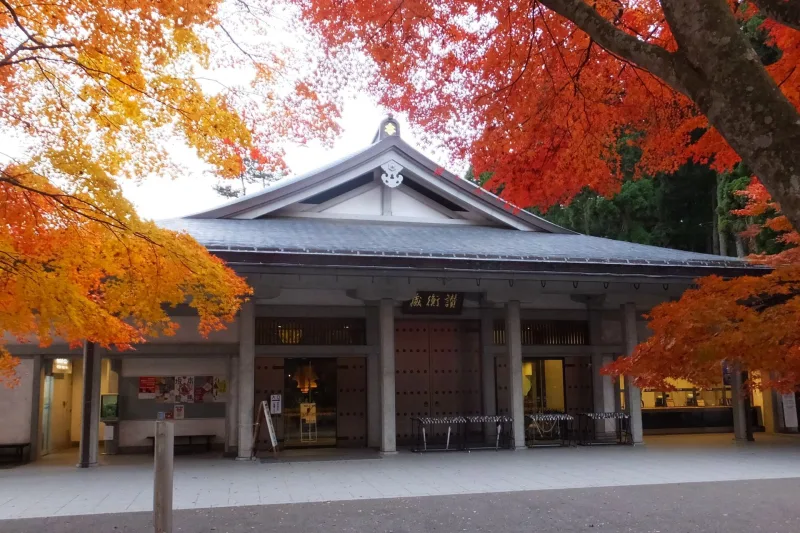
A "Buddhist land" built after years of war
Chuson-ji is a temple of the Tendai school of Buddhism in the town of Hiraizumi, Iwate Prefecture. According to the temple's own tradition, it was founded in 850 by Ennin, a leading monk from Mount Hiei.
The temple as we know it was laid down by Fujiwara no Kiyohira, first head of the Oshu Fujiwara clan, who ruled this region at the end of the Heian period. Around 1105 Kiyohira began building a great complex of temple buildings (a garan). His aim was to mourn everyone who had died in the wars that had raged across the region, friend and foe alike, and to create a peaceful land guided by Buddhist teaching.
A great fire in 1337 destroyed many of the buildings, but the Konjikido and treasures such as the sutras were saved. Today more than 3,000 items here are designated National Treasures or Important Cultural Properties. In 2011 the temple was added to the World Heritage list as part of "Hiraizumi".
The Konjikido: a glow from 900 years ago
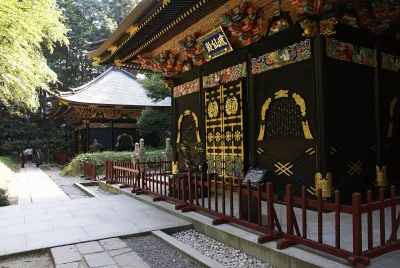
The highlight is the Konjikido (Golden Hall), built by Kiyohira in 1124. The building is covered in gold leaf inside and out and decorated with ivory, precious stones and raden, a mother-of-pearl inlay made from turban shells brought from the southern seas. It is the only building at Chuson-ji that still looks as it did when first built, and it was also the first building in Japan to be named a National Treasure.
Inside the shumidan (the raised altar on which the Buddha statues sit), the remains of four generations of the Oshu Fujiwara lie in golden coffins. Today the Konjikido is housed inside a protective building. For rules on photography and the like, follow the signs on site.
Walking the grounds from Tsukimizaka
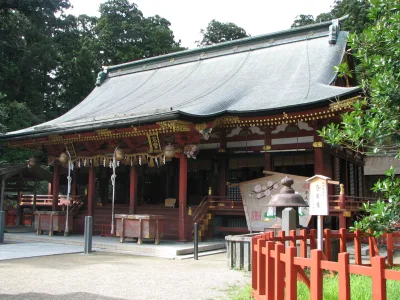
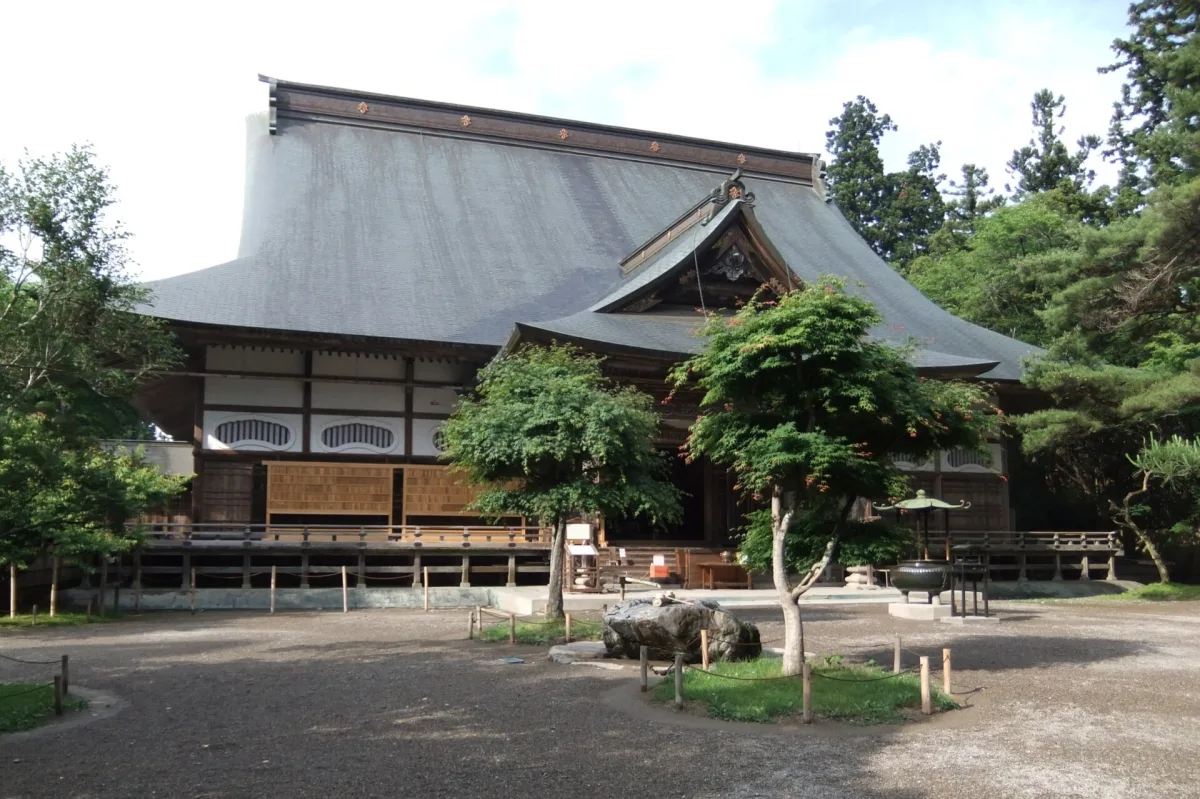
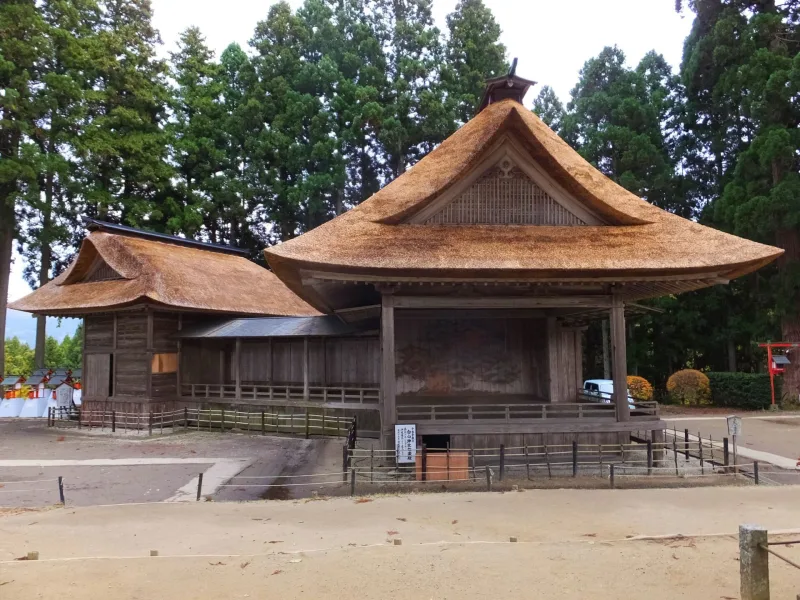
From the entrance of the approach, you climb a sloping path called Tsukimizaka ("moon-viewing slope") up to the main hall and the Konjikido. The grounds are large, and the sights, including the main hall, the Sankozo treasure museum and the Noh stage of Hakusan Shrine, are scattered across the hilltop.
In 1689 the haiku poet Matsuo Basho visited on the journey he described in The Narrow Road to the Deep North, and wrote a poem here.
Getting there
The nearest station is JR Hiraizumi, and from there you can walk, take a local bus, catch a taxi or rent a bicycle. Hiraizumi Station is about 9 minutes by local train from Ichinoseki Station on the Tohoku Shinkansen.
Opening hours change with the seasons. Check them, along with the admission fee, on the official website.
Tips
- Tsukimizaka is a long uphill climb. If you come by car, the Sakanoue car park, the closest one to the main hall, is about 240m from it.
- The sights are spread out across the hilltop. If you want to take in the Sankozo treasure museum and the Noh stage at Hakusan Shrine too, give yourself plenty of time.
Sources
Updated 28 September 2026. Opening hours and prices change, so check the official site before you go.