Japan is Nippon
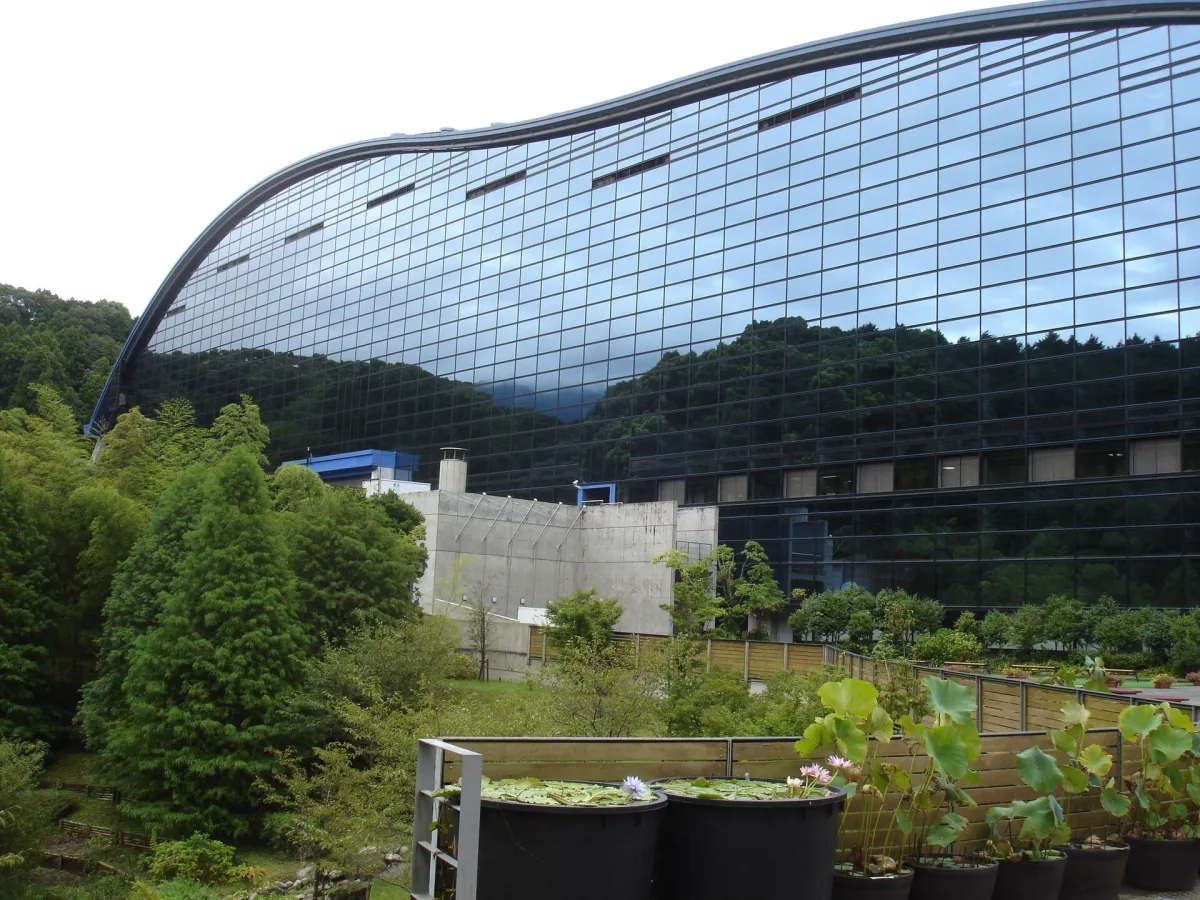
Kyushu National Museum
九州国立博物館
A national museum tracing how Japan built its culture through contact with Asia, from the Palaeolithic to the Edo period, on a hill behind Dazaifu Tenmangu.
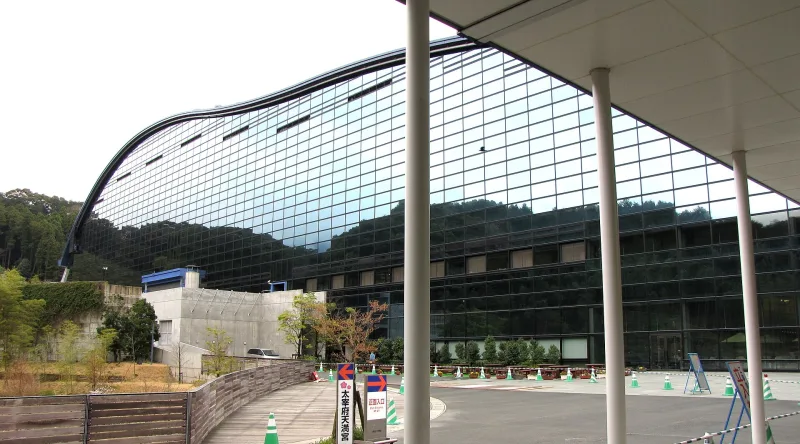
Japan's fourth national museum, telling the story of ties with Asia
Kyushu National Museum opened on 16 October 2005 as Japan's fourth national museum, after those in Tokyo, Kyoto and Nara. Its nickname is "Kyuhaku".
Dazaifu, where the museum stands, was for centuries an important gateway for cultural exchange with Asia. Reflecting that history and setting, the museum's concept is "to understand how Japanese culture was formed from the perspective of Asian history". It also aims to be a museum that is "more interesting than school and easier to understand than a textbook".
The Cultural Exchange Exhibition: start from any era you like
The Cultural Exchange Exhibition on the fourth floor, which serves as the permanent collection, tells the history of Japan's exchanges with Asia and Europe from the Palaeolithic to the Edo period, divided into five themes. There is no set order: every theme can be reached from the central area, so you can start with whichever era interests you.
The exhibition was renewed on 31 March 2026, with signs redesigned to be easier to read. All kanji now carry furigana (small phonetic readings), and at the entrance there are information monitors and a tactile map that includes braille. Something is changed in one of the display cases almost every week, so you will find new works no matter how often you visit. Photography is now allowed in the Cultural Exchange Exhibition as well.
Special exhibitions and hands-on displays
Separately from the Cultural Exchange Exhibition, the museum holds special exhibitions on set themes. From 31 October 2026 to 11 January 2027 a special exhibition is planned called "Himiko's Mirrors: How the Sankakuen Shinjukyo Mirrors Built the Yamato Kingship".
Inside the museum there are also displays introducing the ethnic arts of peoples across Asia, and hands-on exhibits you can actually try. You can check what is on in the annual schedule on the official website.
Pair it with Dazaifu Tenmangu
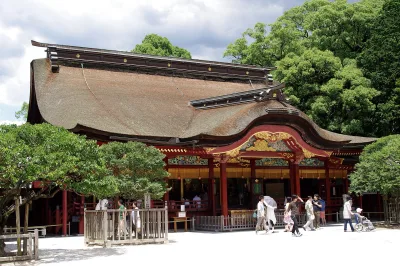
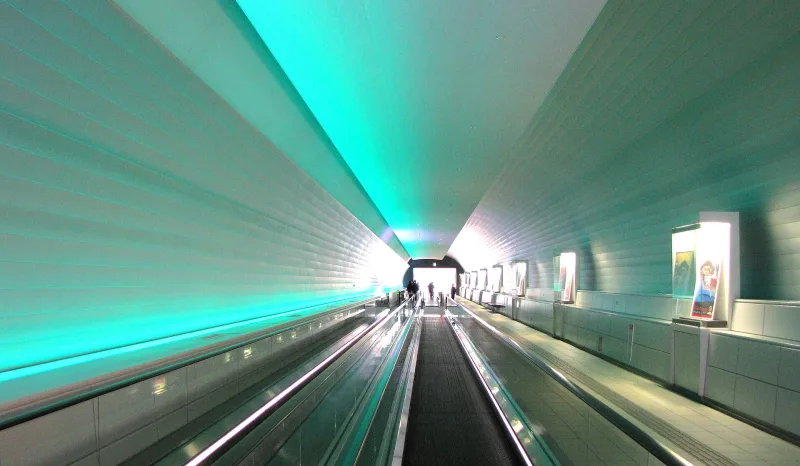
The museum is right next to Dazaifu Tenmangu shrine. From the shrine you can walk to the museum through an access tunnel known as the "Rainbow Tunnel", so it is well worth combining a shrine visit with the museum.
The nearest station is Nishitetsu Dazaifu Station, about a 10-minute walk away. From Nishitetsu Fukuoka (Tenjin) Station, take the Nishitetsu Tenjin Omuta Line to Futsukaichi Station and change to the Nishitetsu Dazaifu Line: about 35 minutes. From Hakata Bus Terminal you can also take the Dazaifu Liner bus "Tabito". Check opening hours, closing days and admission fees on the official website.
Tips
- The museum is normally closed on Mondays (or the following day when Monday is a public holiday or substitute holiday). Exhibition rooms sometimes close temporarily as well, so check the annual schedule on the official website.
- In the Cultural Exchange Exhibition, check the recommended route on the model and information monitor in the central area just inside before you set off, and you will not get lost.
- Displays change almost every week, so if there is a particular work you want to see, check "Works on view in the Cultural Exchange Exhibition" on the official website beforehand.
Sources
- 九州国立博物館(公式) (opens in a new tab)
- 文化交流展示室案内|九州国立博物館 (opens in a new tab)
- 博物館へのアクセス|九州国立博物館 (opens in a new tab)
- 虹のトンネルのリフト停止のお知らせ|九州国立博物館 (opens in a new tab)
- 九州国立博物館|太宰府観光協会 (opens in a new tab)
- 九州国立博物館 - Wikipedia (opens in a new tab)
Updated 30 September 2026. Opening hours and prices change, so check the official site before you go.