Fukuoka
Fukuoka pairs a lively gateway city with seaside towns, canal boat rides, old shrines, tea country and a food culture that goes well beyond ramen.
Map outlines: Natural Earth
-
1
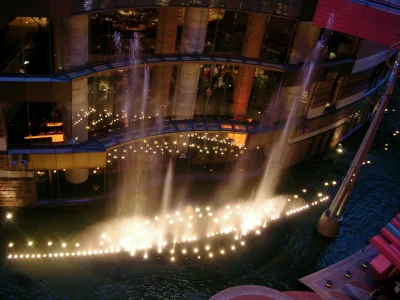 Canal City Hakata
A big Hakata complex with a man-made canal between its buildings: shops, food, cinema and theatre, plus fountain shows and night projection mapping.
Canal City Hakata
A big Hakata complex with a man-made canal between its buildings: shops, food, cinema and theatre, plus fountain shows and night projection mapping.
-
2
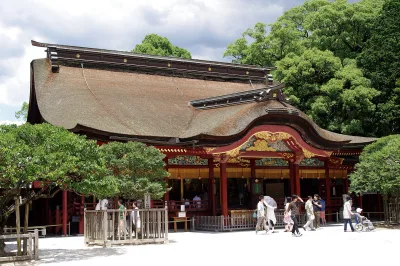 Dazaifu Tenmangu
Head shrine of all Tenmangu, built over the grave of Sugawara no Michizane. Worship at the main hall resumed in September 2026 after 3.5 years of repairs.
Dazaifu Tenmangu
Head shrine of all Tenmangu, built over the grave of Sugawara no Michizane. Worship at the main hall resumed in September 2026 after 3.5 years of repairs.
-
3
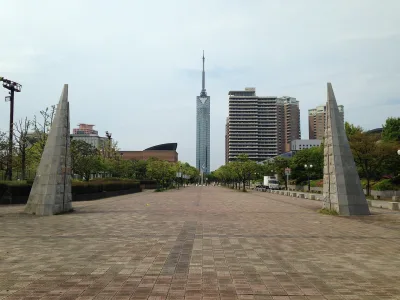 Fukuoka Tower
A 234 m seaside tower at Momochihama on Hakata Bay. Its 123 m observatory gives 360-degree views, and at night LEDs light up its 8,000 half-mirrors.
Fukuoka Tower
A 234 m seaside tower at Momochihama on Hakata Bay. Its 123 m observatory gives 360-degree views, and at night LEDs light up its 8,000 half-mirrors.
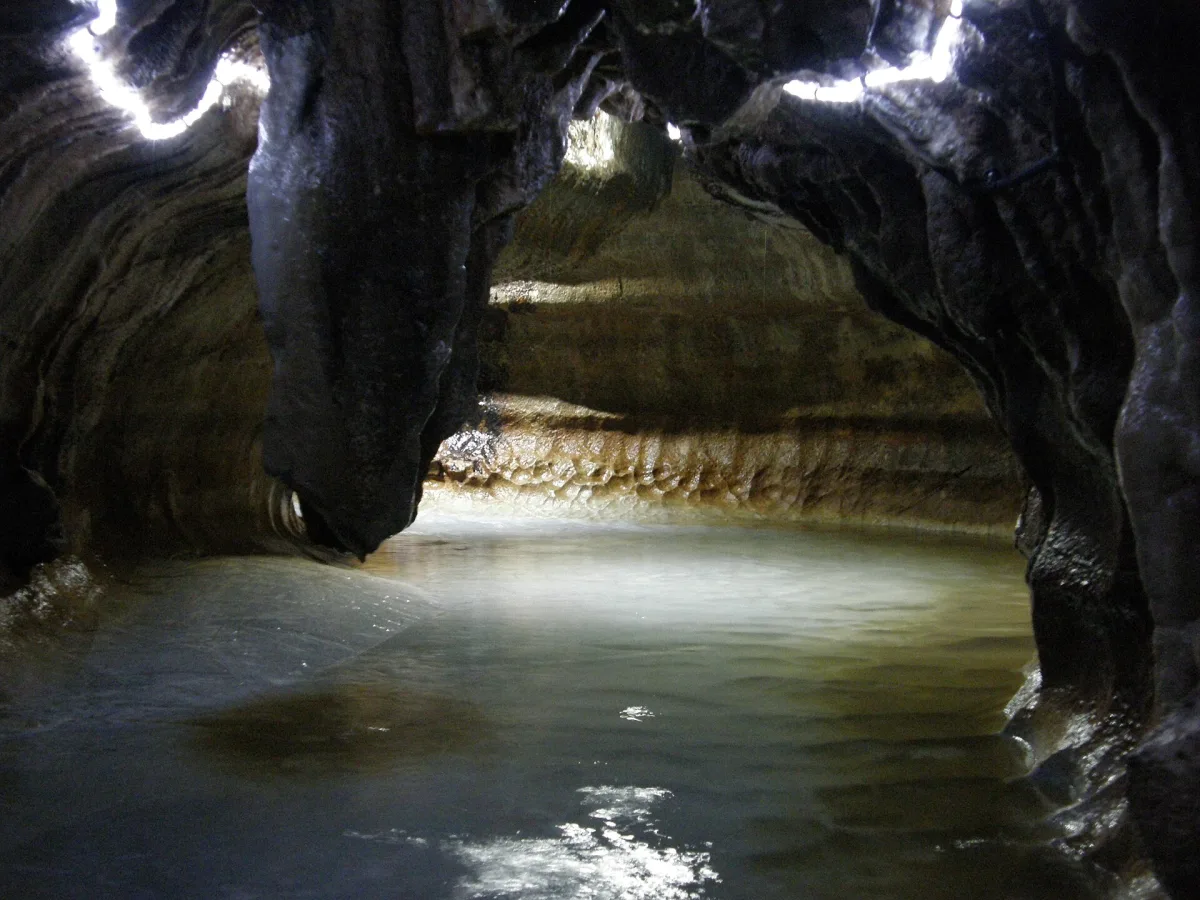


Four regions between the sea and the mountains
Fukuoka Prefecture lies at the northern tip of Kyushu, the southernmost of Japan's main islands. Facing the Asian mainland, it has long been a point of contact with the Korean Peninsula and China. Fukuoka city is the main arrival point, but the prefecture has four distinct regions: Fukuoka, Kitakyushu, Chikuho and Chikugo. Thinking region by region helps, because a city stay, a trip to the coast and a journey inland can each feel like a completely different trip.
The Itoshima Peninsula, west of the city, has beaches and a seaside culture. In Chikugo in the south, the landscape opens out onto the Chikushi Plain and the waterways of Yanagawa before reaching the Ariake Sea. Further inland, the tea fields of Yame benefit from the mountain climate and frequent mist. The prefecture's character comes from all of these landscapes, not just the streets around Hakata Station.
Shrines, castle towns and industrial traces
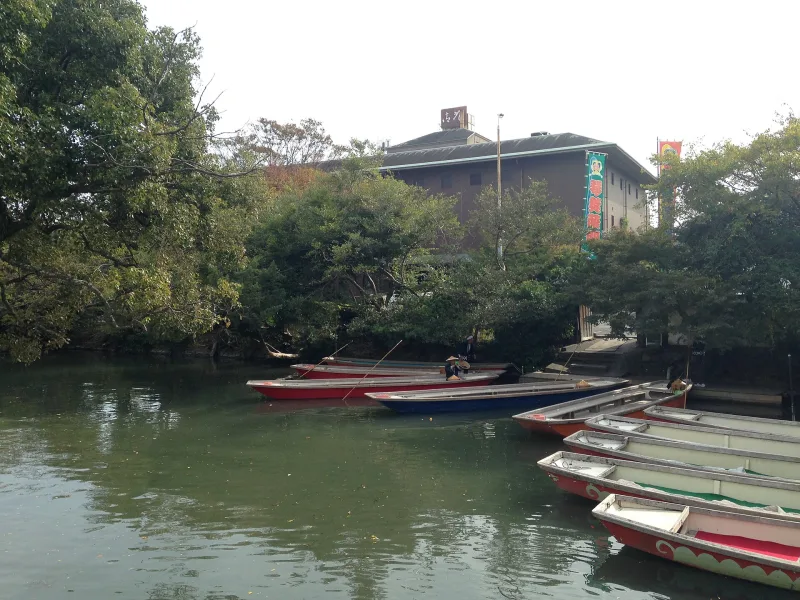
A long history of exchange across the sea sits alongside history made within the prefecture. Dazaifu Tenmangu is a shrine to Sugawara no Michizane, a scholar and statesman now associated with learning. In Fukuoka city, the remains of a castle built in the early Edo period recall the later era of regional daimyo (feudal lords). Yanagawa's canals run through a former castle town, and a boat trip lets you see the old townscape from the water.
In Chikuho, the mansions of former coal barons hint at the wealth once tied to the mines. These places are worth keeping separate in your head. Fukuoka's past is not one neatly packaged story of 'old Japan', but layer upon layer of sea routes, religious traditions, feudal domains and industry.
What to eat and what to take home
Tonkotsu ramen, noodles in a pork-bone broth, is the familiar place to start. Because the noodles are thin, a local way of ordering grew up around them: kaedama is an extra serving of noodles added to the soup you have left. The roots of this style lie in Kurume, elsewhere in the prefecture, rather than in Fukuoka city alone. There is also a local soft udon (thick wheat noodles), often served with gobo-ten (burdock tempura).
For a shared meal, there is motsunabe, a hotpot of offal often simmered with cabbage, garlic chives and garlic. Mentaiko (seasoned pollock roe) is eaten on rice and used in foods sold as gifts. Yanagawa has a dish of its own, unagi no seiromushi: grilled eel steamed over rice and topped with thin strips of omelette. In Yame, look for Yame tea, especially gyokuro, a green tea grown with the young leaves shaded from sunlight. Its sweetness and deep umami make a quieter souvenir of the prefecture than a bowl of ramen.
Festivals, crafts and local words
Hakata Gion Yamakasa makes July in Fukuoka city unmistakable. Tall, decorated floats appear in the streets, and teams race while carrying smaller floats built for running. At Hakata Dontaku in early May, people parade with shamoji (the wooden paddles used to serve rice). These are not the prefecture's only festivals. Yanagawa's spring sagemon are hanging decorations of cloth handicrafts, made with wishes for children to grow up healthy, and Kitakyushu has its own festival floats covered in paper lanterns.
In conversation, you may come across yoka, dialect for 'good'. The sound even appears in the name of a sightseeing bus, the Yoka Bus.
A year coloured by flowers and food
Spring begins with the plum blossoms at Dazaifu Tenmangu, followed by cherry blossoms along the paths of Maizuru Park at the site of Fukuoka Castle. In Kitakyushu, wisteria brings a different change of colour. In Yanagawa, spring is also the season of sagemon displays and children's boat parades, when the canals feel like part of the celebration rather than just a backdrop.
Summer draws people to the beaches of Itoshima and brings the festival floats to the streets of Hakata. For autumn leaves, Akizuki is an alternative to the city, and cosmos flowers colour the island of Nokonoshima. Winter settles into a cosier pace: a pot of motsunabe, Itoshima oysters, or a Yanagawa river boat fitted with a kotatsu (a low table covered with a warm quilt). In February, Yanagawa also drains and cleans its canals (mizuochi), which can affect the boat routes.
Getting there and exploring beyond the city
Travellers often arrive at Fukuoka Airport or at Hakata Station by shinkansen, Japan's high-speed rail. The airport is linked to central Fukuoka by subway. Kitakyushu Airport is another option if you are heading to that (eastern) side of the prefecture, and by rail you can enter via Kokura. Fukuoka city makes a convenient base, but rather than treating the whole prefecture as day trips from the city, it is worth deciding which other regions you want to see.
Trains and buses link the main cities, and from Fukuoka city you can reach the rest of the prefecture by rail, bus and ferry. For places away from the stations, local buses, taxis, a hire car or an organised bus tour will make the final stretch easier. That extra planning pays off if you want to fit tea fields, mountain temples or more remote stretches of coast into your day.
Sources
- Fukuoka | Kyushu | Destinations | Travel Japan - Japan National Tourism Organization (Official Site)
- A Crossroads Of Cultures: A Guide To Fukuoka's Cultural Landscape | Highlights | VISIT FUKUOKA -Fukuoka Prefecture Official Travel Guide
- 10 Recommended Dishes in Fukuoka! Discovering the Region’s Finest Foods | Highlights | VISIT FUKUOKA -Fukuoka Prefecture Official Travel Guide
- Discover the secrets of Yame tea! A tea picking experience that takes you on a journey through Japanese culture | Highlights | VISIT FUKUOKA -Fukuoka Prefecture Official Travel Guide
- Matsuri in Fukuoka Prefecture | Highlights | VISIT FUKUOKA -Fukuoka Prefecture Official Travel Guide
- Why not try river cruising as one of the best ways to enjoy the Yanagawa area! Here’s some great tips on food and seasonal fun! | Highlights | VISIT FUKUOKA -Fukuoka Prefecture Official Travel Guide
- Four Seasons of Flowers in Fukuoka Prefecture | Highlights | VISIT FUKUOKA -Fukuoka Prefecture Official Travel Guide
- To Fukuoka Prefecture from various locations | VISIT FUKUOKA -Fukuoka Prefecture Official Travel Guide
- よかばい・かえるばい企業 参加募集中!! - 福岡県庁ホームページ
- A new standard for free-and-easy travel in Fukuoka! Enjoy Fukuoka to the fullest on Yoka Bus, a sightseeing bus that covers all the aspects of transportation, meals, and sightseeing! | Highlights | VISIT FUKUOKA -Fukuoka Prefecture Official Travel Guide