 Japan is Nippon
Japanese food, explained
What a dish is, where it comes from, how to order it and how to eat it, from ramen to regional specialities.
Noodles
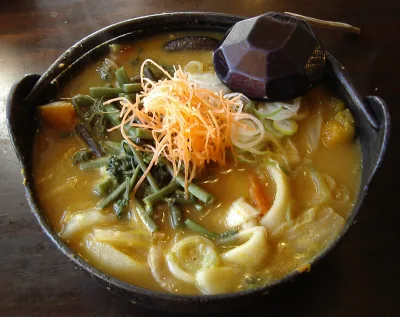
Hoto (Yamanashi Miso Noodle Stew)
It looks like udon, but to Yamanashi people it is a different dish: broad noodles simmered with pumpkin and vegetables in miso, their everyday home food.
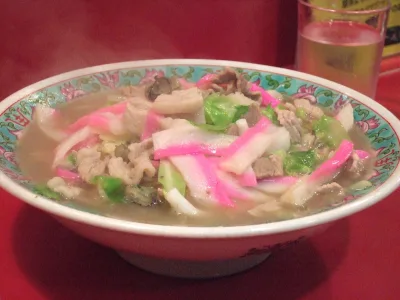
Nagasaki Champon
It looks like ramen, but in Nagasaki the noodles are simmered in the soup. A hearty noodle dish born in a Meiji-era port for students from China.
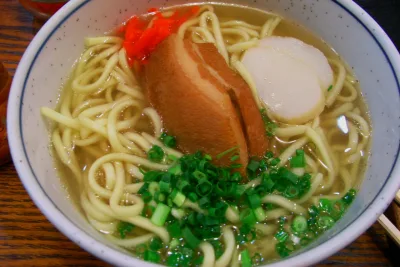
Okinawa Soba
Called "soba" but made without a gram of buckwheat, this is Okinawa's everyday dish, and local noodle makers once negotiated with the state to keep its name.
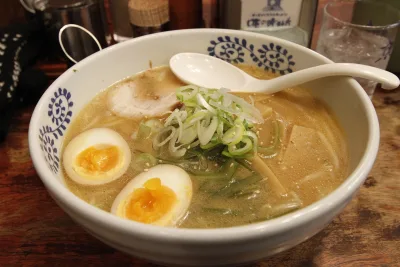
Ramen
A noodle dish from China that, in a little over 100 years, grew into local bowls: Sapporo miso, Hakata tonkotsu and Kitakata's "asa-ra" breakfast ramen.
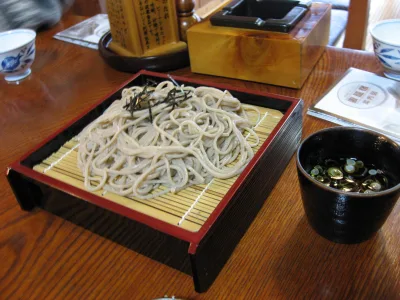
Soba (Buckwheat Noodles)
Thin buckwheat noodles, beloved of old Edo and eaten on New Year's Eve. Izumo, Morioka and Izushi each serve them in their own bowls and their own way.
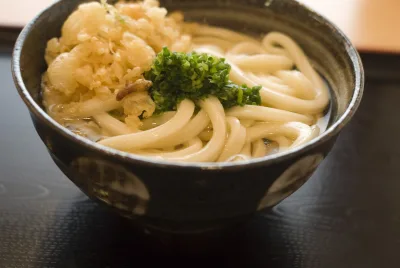
Udon
Firm Sanuki udon in Kagawa, broth-led kitsune udon in Osaka, miso-simmered udon in Nagoya: every region has its own take on these thick wheat noodles.
Rice dishes
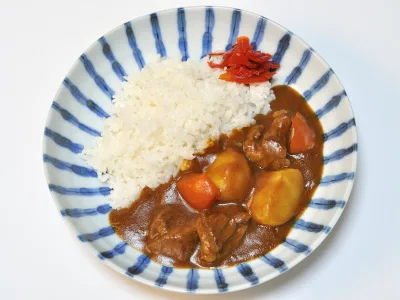
Curry Rice (Japanese Curry)
Born in India, it reached Meiji Japan by way of Britain. Thick Japanese curry over rice became a national dish through the navy and school lunches.
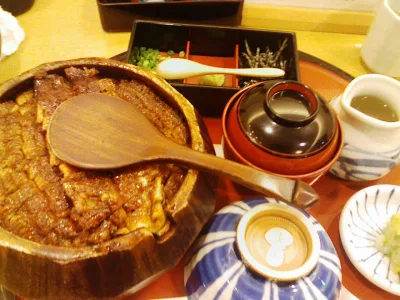
Hitsumabushi (Nagoya-Style Grilled Eel on Rice)
First bowl as it comes, second with condiments, third with dashi poured over. Nagoya's luxurious eel rice, enjoyed three ways.
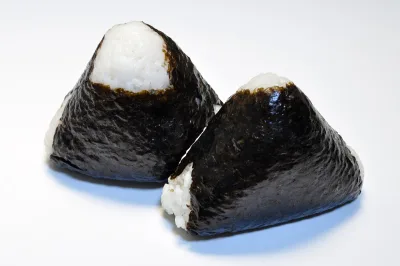
Onigiri (Rice Balls)
Just rice shaped by hand, yet over a thousand years old, and some regions wrap it in kelp or pickles instead of nori. Step beyond the konbini shelf.
Fish and seafood
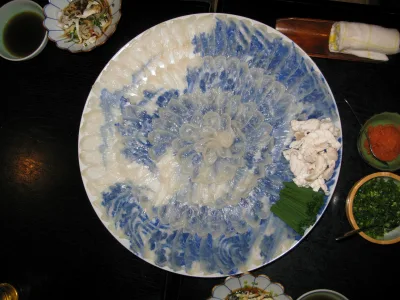
Fugu (Pufferfish)
A deadly poisonous fish that is also a winter delicacy. How fugu went from banned food to Shimonoseki's speciality, and how Japan keeps eating it safe.
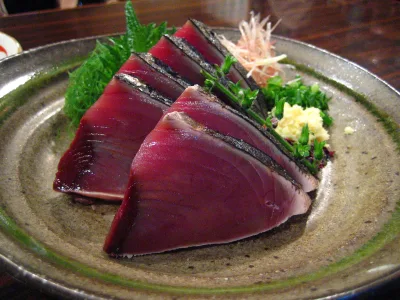
Katsuo no Tataki (Seared Bonito)
Seared over flames on the outside, still sashimi inside. Kochi's straw-smoked bonito tataki is said to have begun as fishermen's food on board.
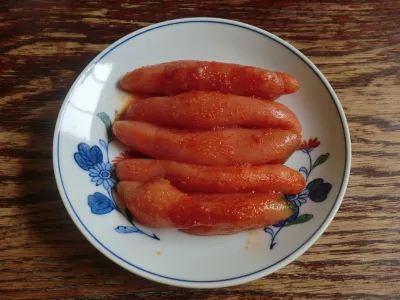
Mentaiko (Spicy Pollock Roe)
Spicy pollock roe to eat on white rice. Hakata's famous mentaiko has roots in the Korean Peninsula, remade for Japanese tastes by one post-war shopkeeper.
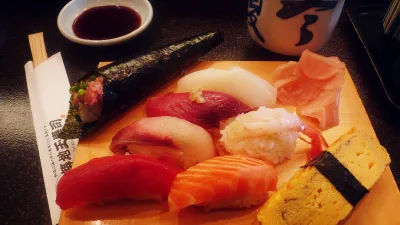
Sushi
Nigiri sushi began as cheap street-stall food in Edo. From Osaka's box sushi to Toyama's trout sushi, here's how wide the world of sushi really is.
Meat
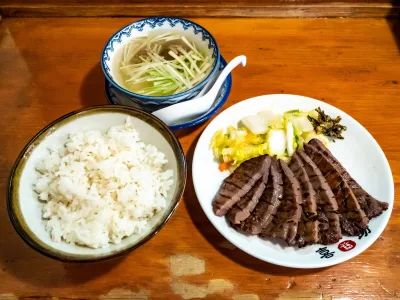
Gyutan (Grilled Beef Tongue)
Sendai's famous dish, yet Miyagi doesn't produce beef tongue. The story of thick-cut grilled tongue and its set meal, born in one post-war yakitori bar.
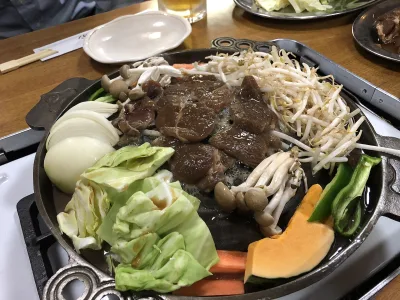
Jingisukan (Genghis Khan Lamb Barbecue)
Lamb and vegetables grilled together on a domed iron pan: Hokkaido's local favourite, why it bears a Mongol hero's name, and its surprising start in wool.
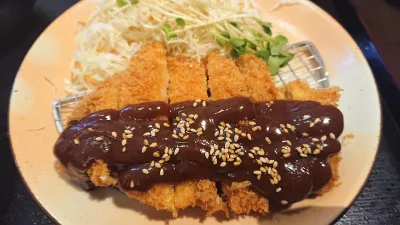
Miso Katsu (Nagoya Miso Pork Cutlet)
Freshly fried tonkatsu under a dark, sweet-savoury miso sauce. The secret of this Nagoya classic is a special miso made almost only in the Tokai region.
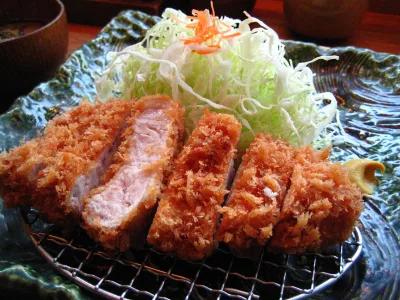
Tonkatsu (Japanese Pork Cutlet)
A Western cutlet turned Japanese set meal with rice, miso soup and shredded cabbage. From Nagoya's miso sauce to Kiryu's sauce-dipped katsu, meet tonkatsu.
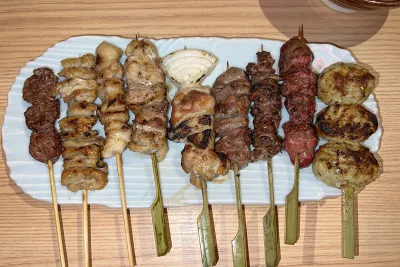
Yakitori
Grilled chicken skewers... except in Muroran and Higashimatsuyama, where ordering "yakitori" gets you pork. The surprising depth of a street-stall classic.
Street food and snacks
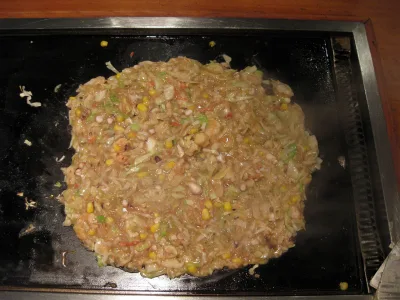
Monjayaki
Runny batter pressed onto a hotplate with a tiny spatula and eaten as it crisps. A quirky griddle dish that grew from a children's snack in old Tokyo.
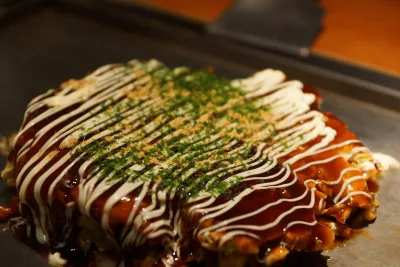
Okonomiyaki
In Osaka the batter and fillings are mixed and then cooked; in Hiroshima they are layered. Same name, two very different dishes: let's compare them.
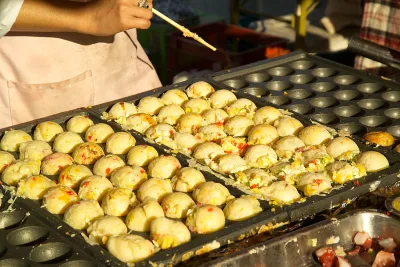
Takoyaki (Octopus Balls)
Balls of dashi-based batter with octopus inside, a street-stall favourite born in Osaka. Next door in Akashi there's another kind you dip in broth.
Hotpots and stews
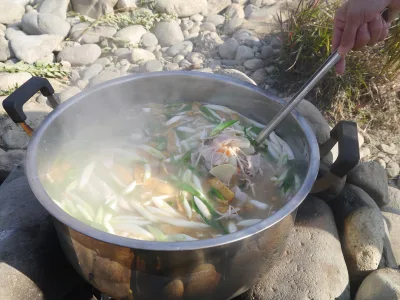
Imoni (Yamagata Taro Stew)
On autumn weekends Yamagata's riverbanks fill with groups round pots of imoni, a taro and beef stew. Imoni parties rival cherry-blossom viewing in Tohoku.
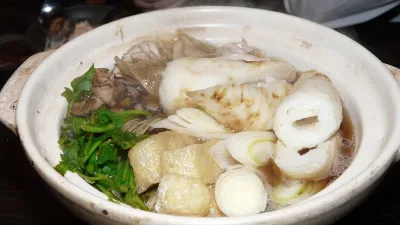
Kiritanpo Nabe (Akita Rice-Stick Hotpot)
Mashed rice wrapped round cedar skewers, grilled over charcoal, then simmered in a pot: Akita's rice-starring hotpot of the new-rice season.
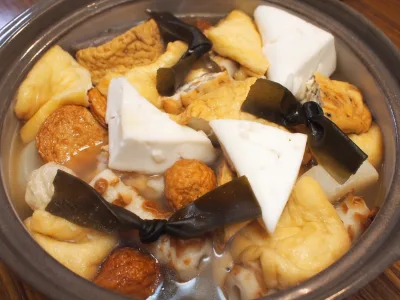
Oden
Daikon, eggs and fishcakes simmered slowly in dashi: a winter classic sold even at konbini tills, yet broth and fillings vary amazingly by region.
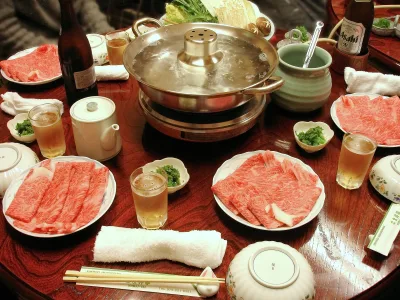
Shabu-Shabu
Paper-thin meat swished through hot broth and dipped in sesame sauce or ponzu. Its name came from the sound of hand towels being rinsed in an Osaka restaurant.
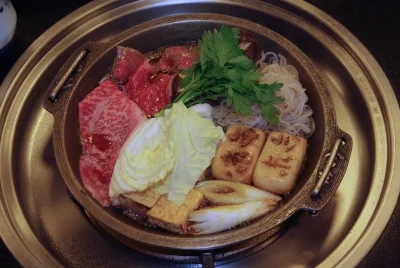
Sukiyaki
Beef simmered in a sweet-savoury sauce and dipped in beaten egg. Sukiyaki grew out of Meiji-era gyunabe, and Tokyo and Osaka still make it quite differently.
Sweets
More dishes
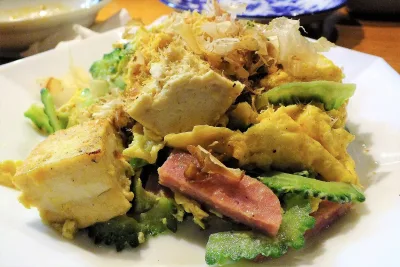
Goya Champuru (Okinawan Bitter Melon Stir-Fry)
Stir-fry bitter goya with firm Okinawan tofu and egg and you get a home-cooked dish you could eat every day. Meet champuru, a staple of the Okinawan table.
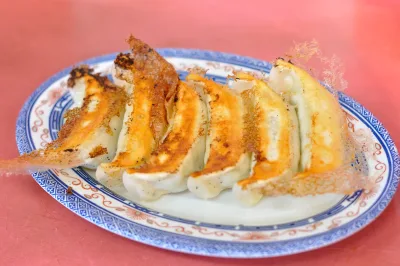
Gyoza (Japanese Dumplings)
In China gyoza are mostly boiled; in Japan, a crispy browned base is the norm. Welcome to Japanese gyoza, where several cities compete to be number one.
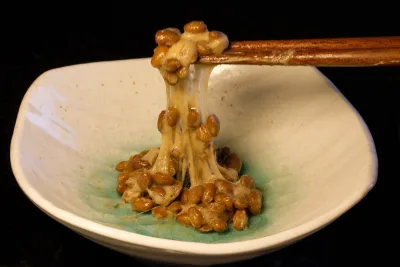
Natto
A strong smell and long strings that stretch as you lift your chopsticks. Why is love-it-or-hate-it natto so adored in eastern Japan? Plus tips on eating it.
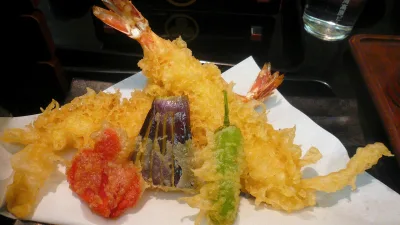
Tempura
Once sold on skewers at Edo street stalls, tempura is now savoured at specialist counters. Nagasaki even has a sweet-battered kind that needs no dipping sauce.