Japan is Nippon
Japan festival calendar
When and where Japan’s great festivals happen, what you will see, and how to enjoy them as a visitor.
December
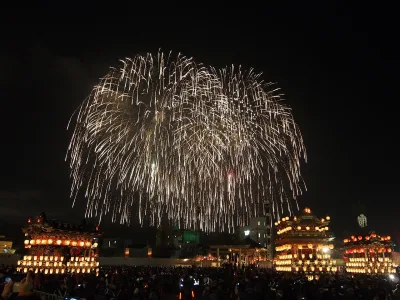
Chichibu Night Festival
Floats weighing up to 20 tonnes race up a steep slope under winter fireworks. Held in Chichibu, Saitama every 2 and 3 December, a UNESCO-listed festival.
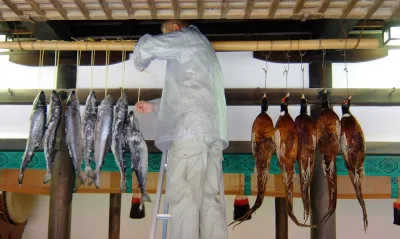
Kasuga Wakamiya On-matsuri
At midnight a deity moves along a pitch-dark approach; by day about 1,000 people in Heian-to-Edo dress parade through Nara. A December festival since 1136.
January
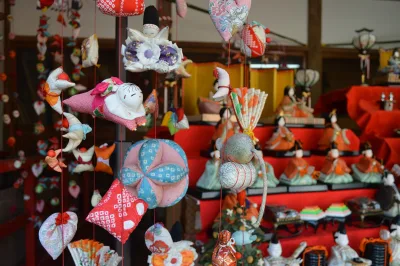
Inatori Onsen Hina Tsurushi Kazari Festival (Hanging Doll Decorations)
Mothers and grandmothers who couldn't afford costly hina dolls sewed tiny ones from kimono scraps. Born in Inatori, Izu, the hangings fill the town in early spring.
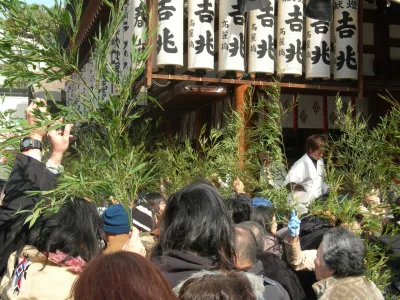
Toka Ebisu (Imamiya Ebisu Shrine, Osaka)
"Bring your bamboo for good business!" rings out as fuku-musume tie lucky charms to your branch: three days Osaka's merchants count on to start the year.
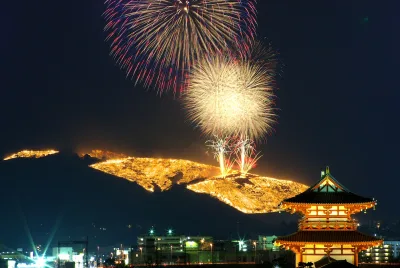
Wakakusa Yamayaki (Mount Wakakusa Burning)
The grassy slopes of Nara's Mount Wakakusa set ablaze on a winter night: a fire rite said to calm an ancient tomb's spirits, heralding early spring.
February
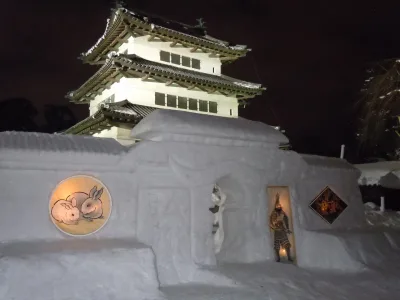
Hirosaki Castle Snow Lantern Festival
A snow-dusted castle keep, candlelit mini igloos and summer neputa art: hand-made snow lanterns turn Hirosaki's castle park into a winter-night scene.
Inatori Onsen Hina Tsurushi Kazari Festival (Hanging Doll Decorations)
Mothers and grandmothers who couldn't afford costly hina dolls sewed tiny ones from kimono scraps. Born in Inatori, Izu, the hangings fill the town in early spring.
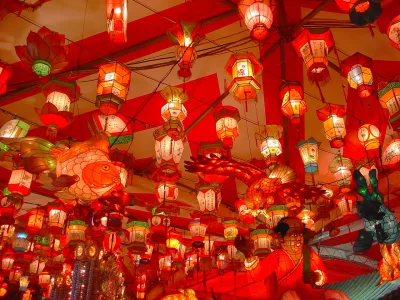
Nagasaki Lantern Festival
A small Chinatown New Year event grown into a winter festival of about 15,000 Chinese lanterns. The Emperor's Parade, dragon dances and how the dates are set.
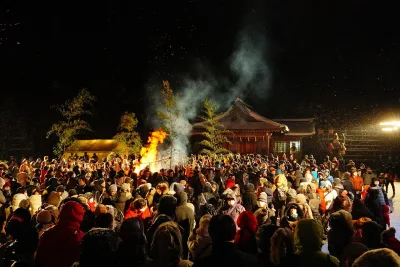
Namahage Sedo Festival
Torch-bearing Namahage descend a dark, snowy mountain: a three-day shrine festival to see up close the gods who otherwise visit homes only on New Year's Eve.
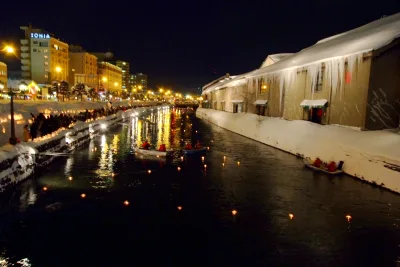
Otaru Snow Light Path Festival
Glass floats glowing on the canal, countless candles along a snow-buried old railway line: Otaru's quiet winter festival, handmade by locals and volunteers.
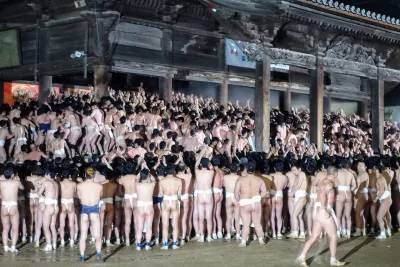
Saidaiji Eyo (Naked Festival)
On a midwinter night, about 10,000 men in loincloths fight over two sticks thrown from a temple window. Okayama's 500-year-old Naked Festival is at a turning point.
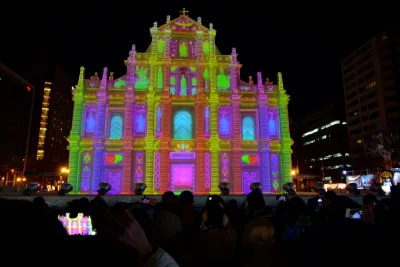
Sapporo Snow Festival
It began with six snow statues built by high school students; now over 2 million people come. The highlights, and how to stay warm while you explore.
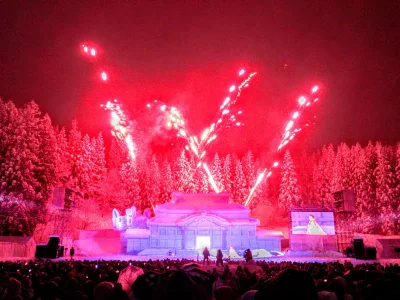
Tokamachi Snow Festival
"Befriend the snow, enjoy the snow": a residents' snow festival born in 1950 in one of Japan's snowiest towns. How to tour its handmade snow sculptures.
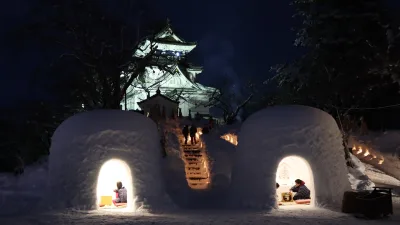
Yokote Kamakura Festival
Children invite passers-by into little snow rooms honouring the water god: a winter-night tradition in Yokote, Akita, said to be about 450 years old.
March
Inatori Onsen Hina Tsurushi Kazari Festival (Hanging Doll Decorations)
Mothers and grandmothers who couldn't afford costly hina dolls sewed tiny ones from kimono scraps. Born in Inatori, Izu, the hangings fill the town in early spring.
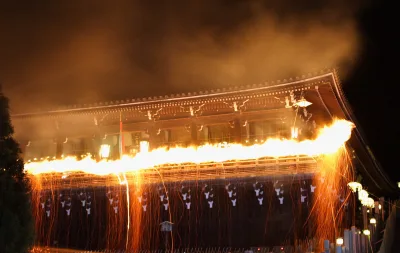
Omizutori (Shunie at Todaiji's Nigatsudo)
A prayer rite at Nara's Todaiji, unbroken since 752. How to experience the nightly torches on Nigatsudo's balcony as worship, not a show.
April
Furukawa Festival
Giant drums boom through the night as men clash with smaller drums; next day, ornate floats pass white-walled storehouses. Hida-Furukawa, wild then calm.
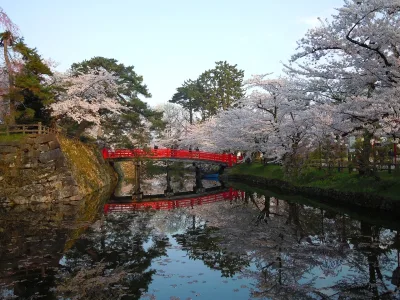
Hirosaki Cherry Blossom Festival
About 2,600 cherry trees of 52 varieties ring Hirosaki Castle's moats and keep in Aomori. Tended with apple-growing know-how, each bud bears extra blossoms.
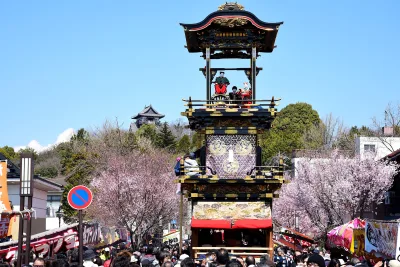
Inuyama Festival
Thirteen floats with mechanical puppets roll through the town below Inuyama Castle, a National Treasure: puppetry by day, lanterns by night, for two spring days.
Nagahama Hikiyama Festival
On tiny stages atop lavish floats, boys aged about 5 to 12 perform real kabuki. A spring festival in Nagahama, Shiga, by Lake Biwa, going for nearly 400 years.
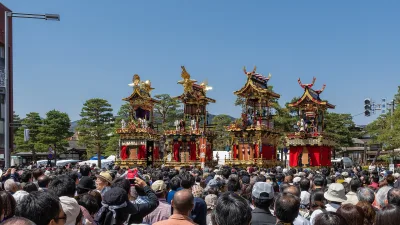
Takayama Spring Festival (Sanno Matsuri)
Twelve floats clad in gold and fine carving line Hida-Takayama's old streets for two days. How to see the quick-change puppets and the lantern-lit night festival.
May
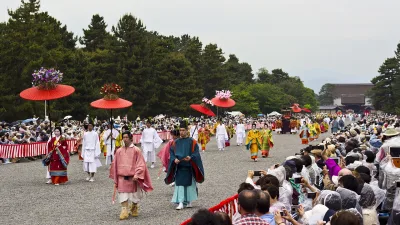
Aoi Matsuri
About 500 people in Heian court dress walk 8 km through Kyoto, keeping alive a 1,000-year-old festival of the capital that appears in The Tale of Genji.
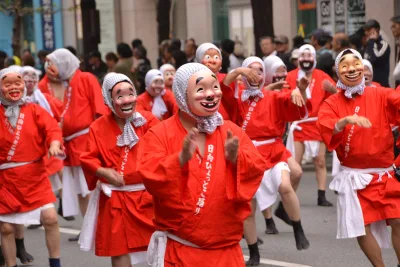
Hakata Dontaku
Costumed crowds parade through Fukuoka clacking rice paddles. Rooted in New Year rites over 800 years old, this May festival draws over 2 million people.
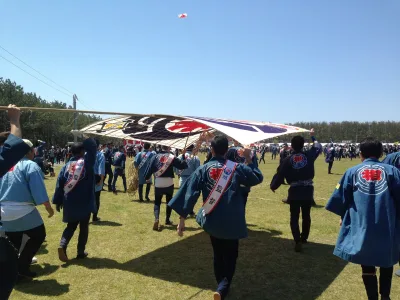
Hamamatsu Festival
Giant kites bearing babies' names battle to cut each other's lines over the sea; at night, ornate floats and bugles fill Hamamatsu. Three days each May.
Hirosaki Cherry Blossom Festival
About 2,600 cherry trees of 52 varieties ring Hirosaki Castle's moats and keep in Aomori. Tended with apple-growing know-how, each bud bears extra blossoms.
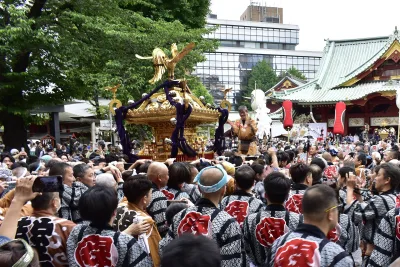
Kanda Matsuri
The "festival of the realm" once watched by the shogun: every two years, over 200 mikoshi (portable shrines) wind through central Tokyo to Kanda Myojin.
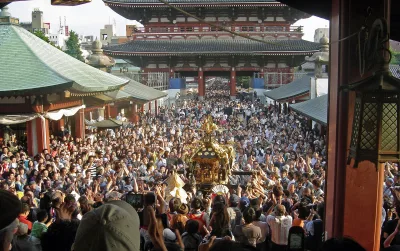
Sanja Matsuri
Around 100 mikoshi pour out from a small shrine beside Sensoji over three days. The dawn miyadashi is the best way to feel old downtown Tokyo's energy.