Japan is Nippon
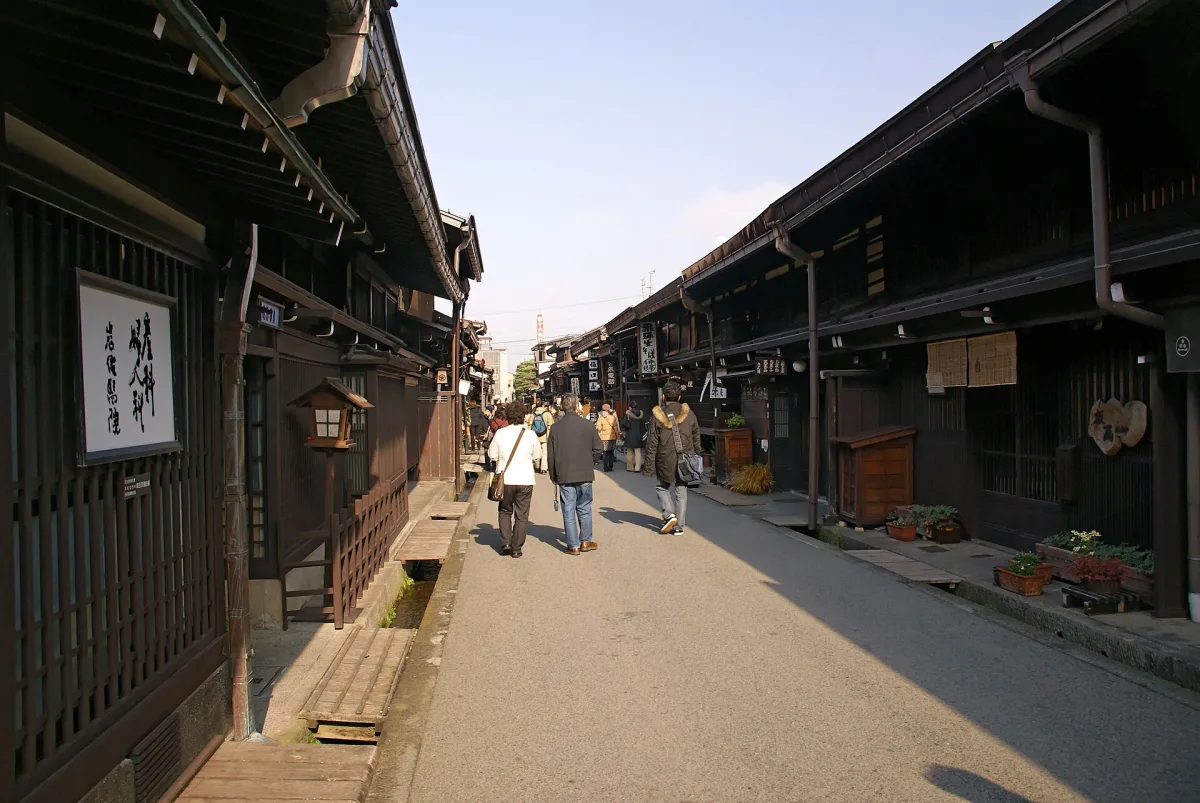
Sanmachi Historic District, Takayama
高山市三町伝統的建造物群保存地区
Takayama's Sanmachi, an Edo-period merchant quarter that is still lived in. Stroll streets of latticed houses and sake breweries hung with cedar balls.
A castle town where merchants took centre stage
Takayama is a castle town founded by Kanamori Nagachika, the warlord who ruled Hida at the end of the Sengoku (Warring States) period. In most castle towns the samurai districts took up a large share of the space, but in Takayama the merchants' quarter was laid out larger than the samurai quarter. Takayama City explains that this reflects Nagachika's respect for the economic power of merchants.
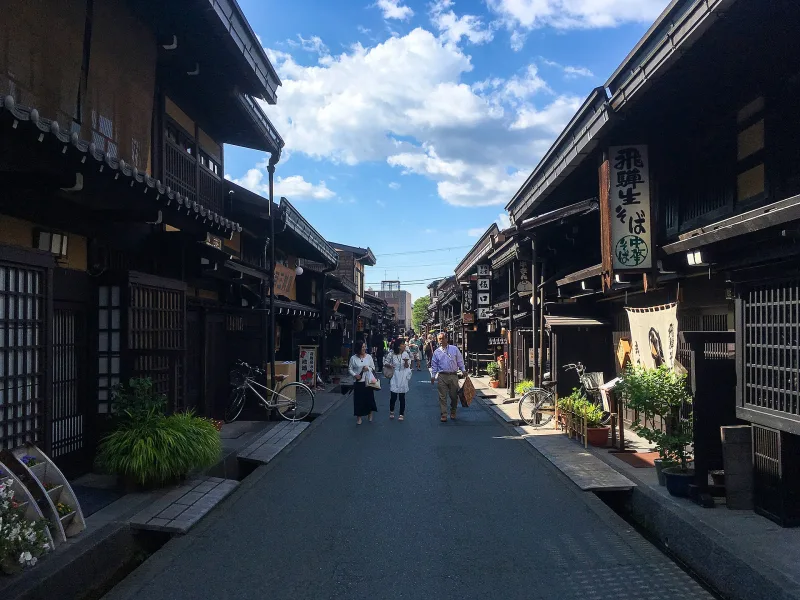
The heart of that merchants' quarter, the area around Kami-ichinomachi, Kami-ninomachi and Kami-sannomachi, is Sanmachi (literally "three streets"). It covers about 420m north to south and 150m east to west, some 4.4 hectares, and in 1979 it was selected as an Important Preservation District for Groups of Traditional Buildings, a national scheme that protects historic townscapes as whole districts.
Townhouses and sake breweries
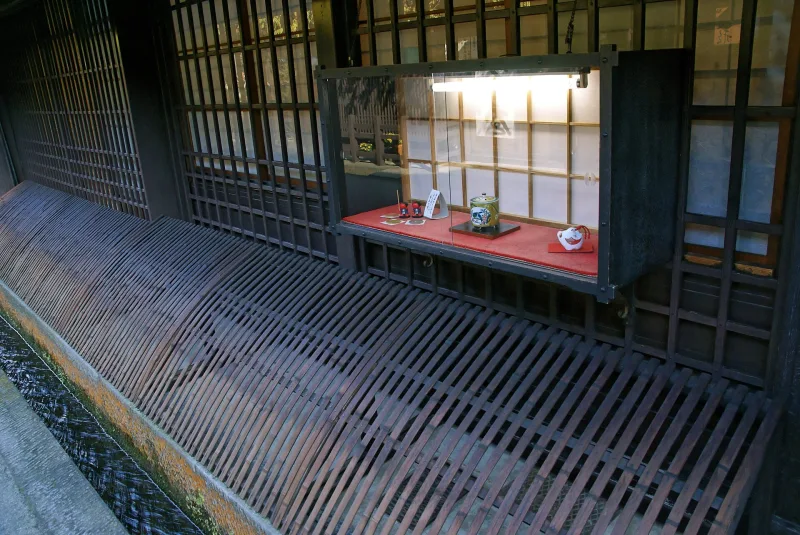
The streets are lined with machiya, traditional merchants' townhouses. Built on plots with a narrow frontage that stretch far back, the low-eaved buildings run on one after another, with water channels flowing beneath the eaves. According to Takayama City, the district has 172 traditional buildings, and people still live and do business in them.
The old streets have 7 sake breweries. You can spot them by the sakabayashi (also called sugidama) hanging from the eaves: a ball of rolled cedar leaves.
The people who look after the streets
In Sanmachi, four townscape preservation societies keep up fire drills, study sessions and discussions about repairs. It is a tourist spot, but it is also a living neighbourhood that its residents have protected.
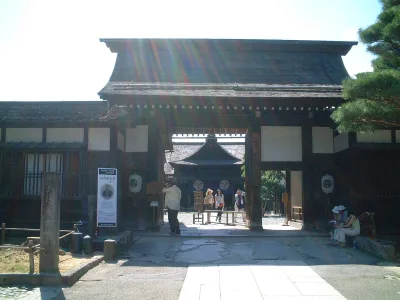
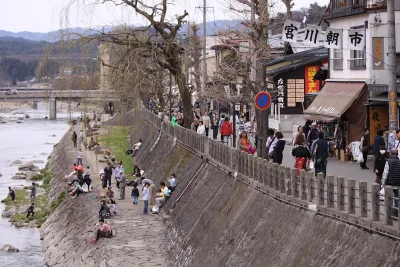
Nearby, a morning market is held along the Miyagawa River, and Takayama Jinya, where Edo-period government office buildings survive, is within walking distance.
Getting there and getting around
It is about a 15-minute walk from Takayama Station on the JR Takayama Main Line. Shops generally open from morning until late afternoon, and many close on Tuesdays or Wednesdays, though it varies from shop to shop.
For opening hours and fees of individual buildings you can enter, check each one's official website.
Tips
- Many shops close in the late afternoon, so explore the streets early in the day.
- Look out for cedar balls hanging from the eaves and you'll find the sake breweries straight away.
- Combine it with the Miyagawa morning market and Takayama Jinya to see central Takayama in half a day.
Sources
- 高山市三町伝統的建造物群保存地区 - 高山市 (opens in a new tab)
- 伝統的建造物群保存地区 - 高山市 (opens in a new tab)
- 飛騨高山 古い町並|【公式】飛騨高山旅ガイド (opens in a new tab)
- 高山市三町 - 文化遺産オンライン (opens in a new tab)
Updated 30 September 2026. Opening hours and prices change, so check the official site before you go.