Takayama Jinya
高山陣屋
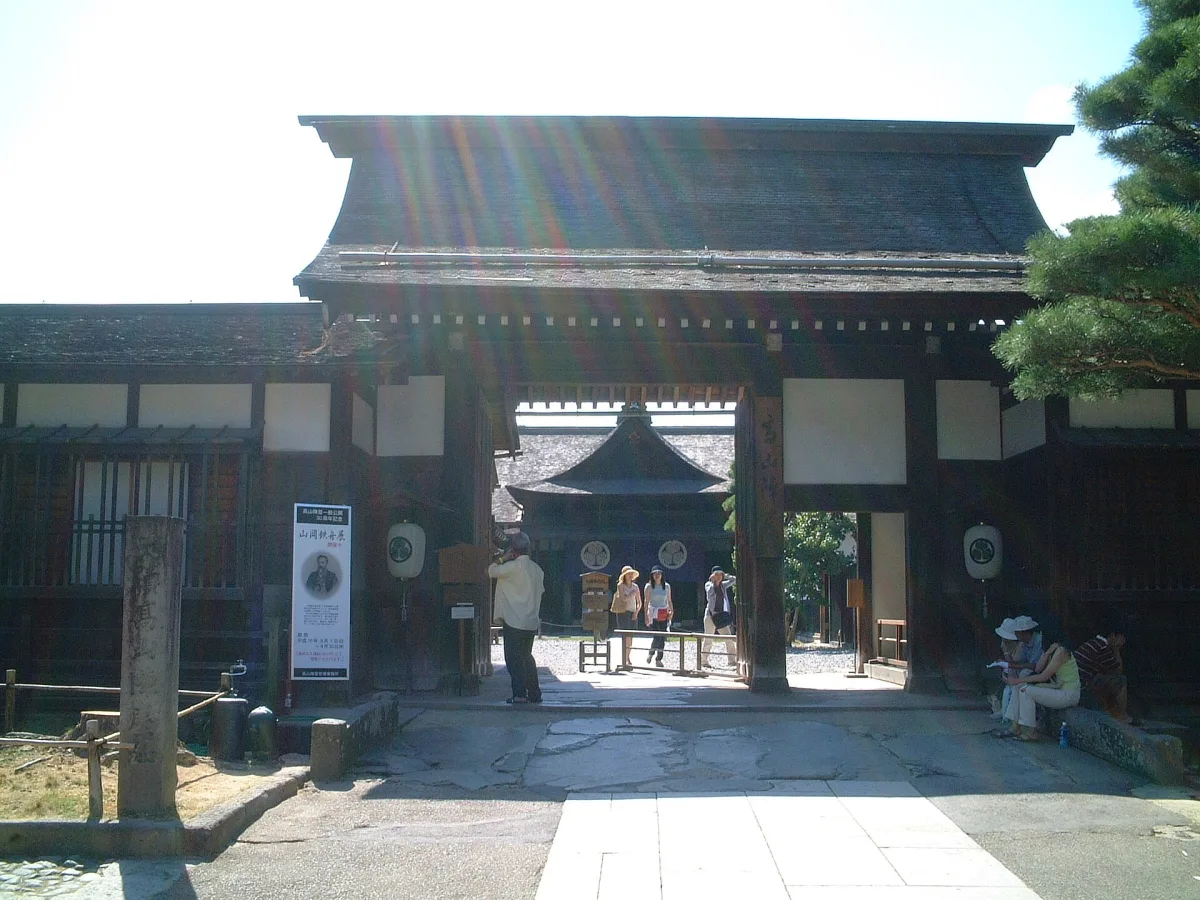
The only surviving Edo-era government office in Japan. Walk its tatami halls, interrogation rooms and huge rice store where samurai officials worked.
What was a jinya?
A jinya was a government office that the Edo shogunate (the military government that ruled Japan from Edo, today's Tokyo, during the Edo period) set up on land it ruled directly. Instead of a daimyo (feudal lord) with his own castle, officials sent from Edo, called daikan (intendants) and gundai (senior intendants), worked here collecting the rice tax and hearing court cases.
Hida (the northern part of today's Gifu Prefecture) came under the shogunate's direct rule in 1692, when its lords, the Kanamori family, were moved to another domain. Over the 176 years from then until the Meiji Restoration in 1868, 25 daikan and gundai were sent here. Hida's rich forests were highly valued, and in 1777 the office was upgraded to the higher rank of gundai office. It carried on as a government office after the Meiji era began, serving as an administrative building for 277 years in total, until 1969.
At the end of the Edo period there were more than 60 gundai and daikan offices across Japan, but Takayama Jinya is the only one whose main buildings survive as they were.
What you can see inside
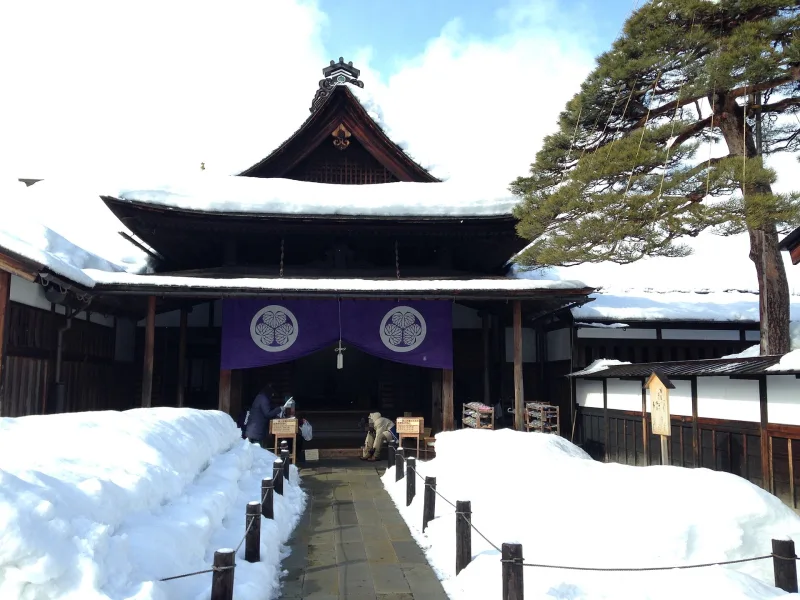
The building has around 40 rooms, and different kinds of tatami (straw floor mats) were used depending on what each room was for. You can see the goyakusho where officials did their work, the ohiroma great hall used for important ceremonies, and the ginmisho and oshirasu where suspects were questioned, scenes familiar from Japanese period dramas, here in a real building. The kitchen displays cooking utensils from the time.
The okura storehouse in the grounds held the rice collected as tax. It originally stood at Takayama Castle and was moved here around 1695, and it is said to be the oldest and largest surviving Edo-period rice storehouse in Japan.
Keep an eye out for small decorative details too: the metal fittings that hide the nails are shaped like rabbits, and the floor of the entrance is painted with a blue wave pattern. The garden is especially lovely when the autumn leaves turn.
The morning market out front, and getting there
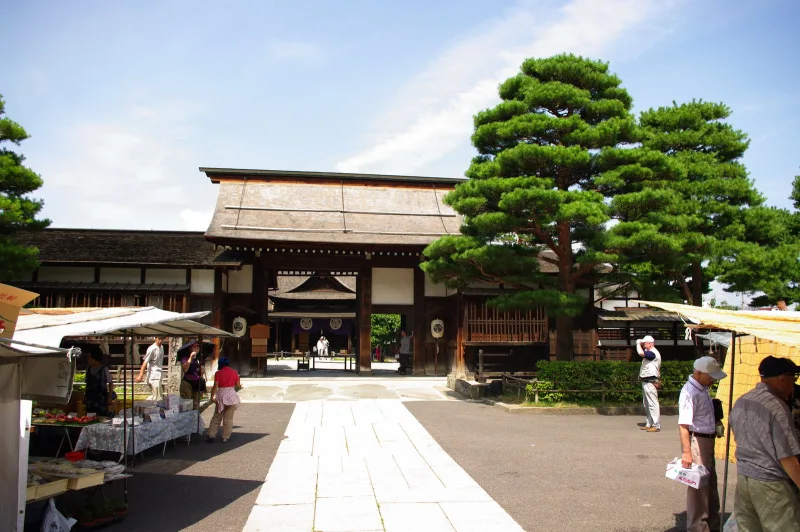
Takayama Jinya is about a 10-minute walk from JR Takayama Station. It is also close to the old town, so it fits easily into a stroll around Takayama.
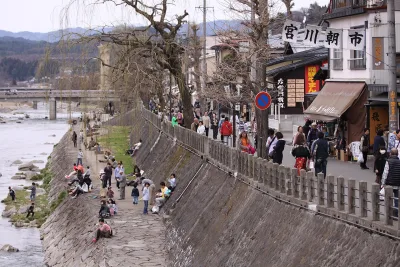
Every morning the square in front of the jinya hosts the Jinya-mae Asaichi (morning market). Local farmers lay out vegetables, fruit, sansai (wild mountain vegetables) and homemade pickles and miso. What is on offer changes with the seasons: bamboo shoots and wild vegetables in spring, hoba-zushi (sushi wrapped in magnolia leaves) in early summer, and newly harvested rice in autumn. Opening hours and admission fees can change, so check the official website.
Tips
- The Jinya-mae morning market only runs in the morning. Browsing the market first and then heading straight into the jinya is an efficient way to see both.
- The jinya also offers guided tours and hands-on programmes. If you want to learn more about the history behind the building, check what is available on the official website.
- Admission fees were revised in April 2026. Don't rely on prices in older guidebooks; check the latest information on the official website.
Sources
Updated 29 September 2026. Opening hours and prices change, so check the official site before you go.