Japan is Nippon
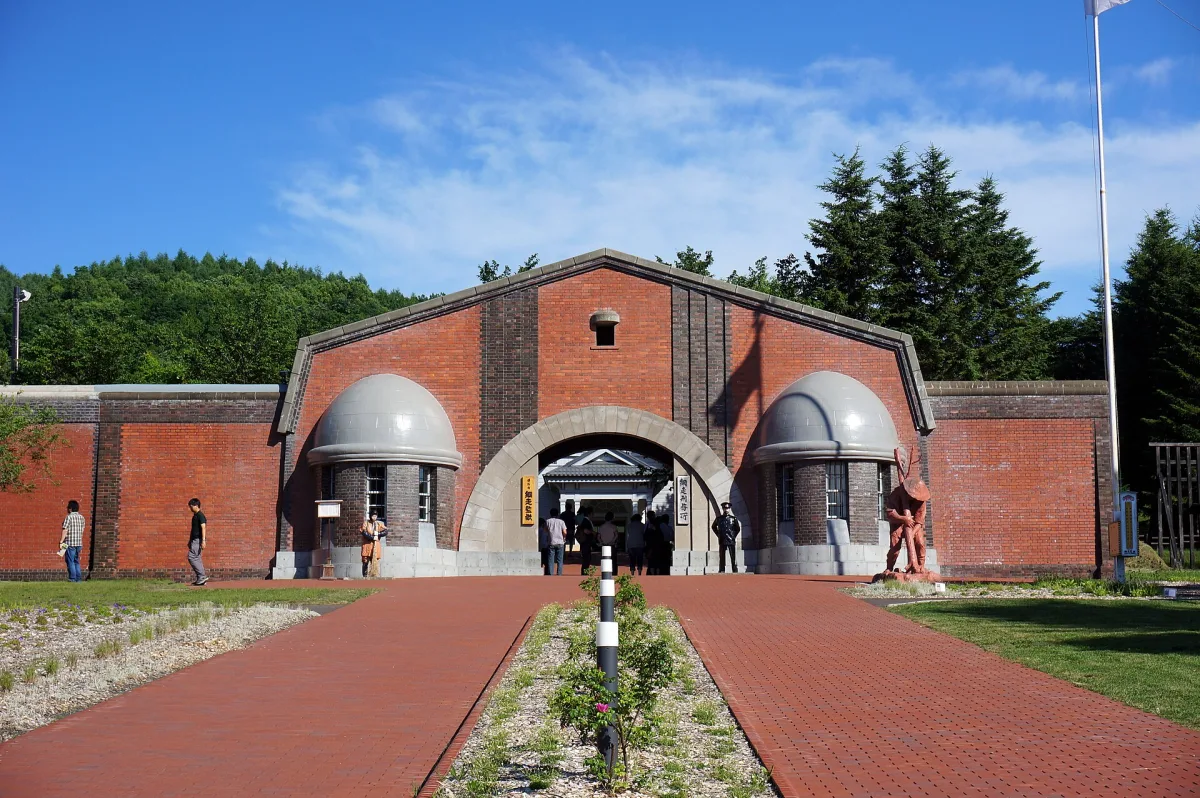
Abashiri Prison Museum
博物館網走監獄
An open-air museum of Meiji-era prison buildings on Hokkaido's far eastern edge. Walk five wooden cell blocks fanning out from a central guard post.
Settling Hokkaido, and a prison in Abashiri
In the Meiji era (1868-1912), Hokkaido was a frontier the government was racing to develop. In 1890, 1,200 prisoners were sent to Abashiri to build the Central Road linking the island's interior with the Sea of Okhotsk coast, and that was the beginning of the prison here. Chained together in pairs, the prisoners were made to work day and night, and more than 200 people died, guards included. That is why the road is also known as the "Prisoners' Road".
The prison burned almost entirely in a fire in 1909 and was rebuilt in 1912. Those buildings in turn were due to be pulled down when work began on a new prison in 1973. The head of a local newspaper called for them to be saved, and with help from the city, Hokkaido and the national government, the old buildings were moved and restored, opening as a museum in 1983. Abashiri Prison itself is still in use on a different site; the museum shows its former buildings.
Wooden cell blocks fanning out like a hand
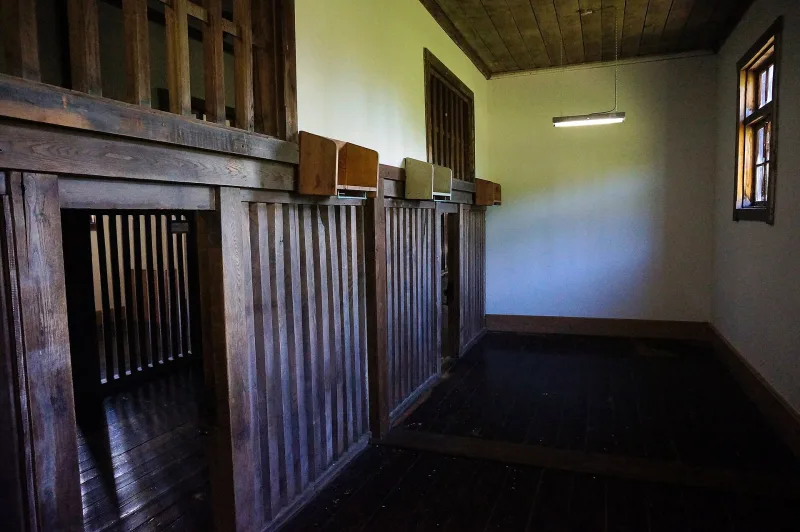
The highlight is the cell blocks and central guard post, designated an Important Cultural Property (a building or artwork the national government judges to be of especially high value). Five cell blocks, long buildings lined with prisoners' cells, spread out from an octagonal guard post like the fingers of an open hand, and from the post a guard could see down every corridor at once. There are 226 cells in all, and the posts inside the walls are set close together so nobody could break out. Even the pattern of the bars was designed so that prisoners in facing cells could not see each other, and the more closely you look, the more you sense how strict life here was.
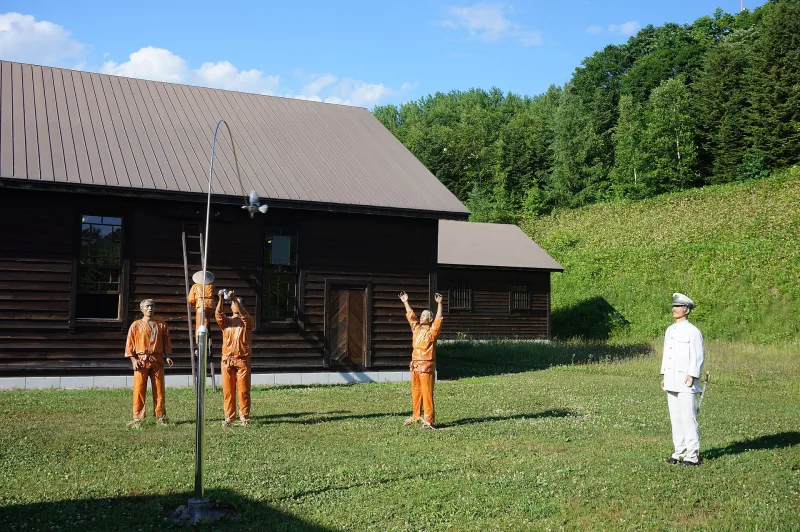
Also listed as Important Cultural Properties are the administration building, with its eye-catching Western-style front in pale blue and grey; the Kyokaido, a hall mixing Japanese and Western styles where Buddhist priests and Christian ministers spoke to inmates about how to live; and the former Futamigaoka branch prison, where inmates farmed the land to grow their own food. The Futamigaoka building is said to be the oldest surviving wooden prison in Japan.
Try a modern prison meal
The canteen on site serves a set meal recreating the menu at today's Abashiri Prison, sold as the "Prison Meal Experience". It is simple fare, grilled fish (saury or Atka mackerel) with rice mixed with barley, and the museum itself says it is "not a meal to be enjoyed for its taste". Check the official website for serving times.
The grounds are large, about three and a half times the size of Tokyo Dome, and almost everything is outdoors. The official website suggests about an hour for a quick look and about two hours if you want to take your time. In the snowy season you can see the wooden buildings lined up in a winter landscape.
Getting there
The museum stands halfway up Mount Tento in Abashiri, about 4 km from JR Abashiri Station: about 10 minutes by bus, or about 7 minutes by taxi or car. Memanbetsu Airport is about 20 minutes away by car. There is no direct bus from the airport, so take the airport bus to Abashiri Station and change to a local bus there. Check bus times on the Abashiri Bus official website. Parking is free.
Tips
- As of November 2026, cell block 4 is closed for earthquake-proofing work (blocks 1, 2, 3 and 5 are open). The Kyokaido chapel is also wrapped up completely for conservation repairs, so you can see neither its outside nor its inside.
- The outdoor figure displays at the Futamigaoka farm are put away for the winter and are due to return in spring.
- Most of the museum is outdoors, so in winter bring warm clothes and shoes with good grip, and watch your footing on rainy days.
- The museum is closed on 31 December and 1 January. Check the official website for opening hours and admission fees.
Sources
- 博物館 網走監獄(公式) (opens in a new tab)
- 基本情報・アクセス | 博物館 網走監獄 (opens in a new tab)
- 監獄秘話 第3話 囚人が開いた土地 | 博物館 網走監獄 (opens in a new tab)
- 監獄秘話 第4話 建物の歴史 | 博物館 網走監獄 (opens in a new tab)
- 舎房及び中央見張所 | 博物館 網走監獄 (opens in a new tab)
- 教誨堂 | 博物館 網走監獄 (opens in a new tab)
- 旧網走刑務所 二見ヶ岡刑務支所 | 博物館 網走監獄 (opens in a new tab)
- 体験!監獄食 | 博物館 網走監獄 (opens in a new tab)
- 博物館網走監獄 | 北海道観光公式サイト HOKKAIDO LOVE! (opens in a new tab)
- 博物館網走監獄 - Wikipedia (opens in a new tab)
Updated 21 November 2026. Opening hours and prices change, so check the official site before you go.