Hokkaido
Hokkaido pairs vast farmland and volcanic scenery with fishing ports, Ainu traditions and winters that transform everyday life.
Map outlines: Natural Earth
-
1
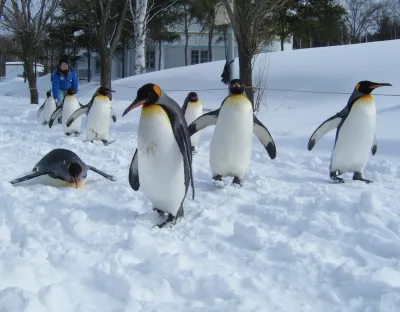 Asahiyama Zoo
Japan's northernmost zoo, famous for showing animals swimming and leaping as they would in the wild. In winter, king penguins go for walks on the snow.
Asahiyama Zoo
Japan's northernmost zoo, famous for showing animals swimming and leaping as they would in the wild. In winter, king penguins go for walks on the snow.
-
2
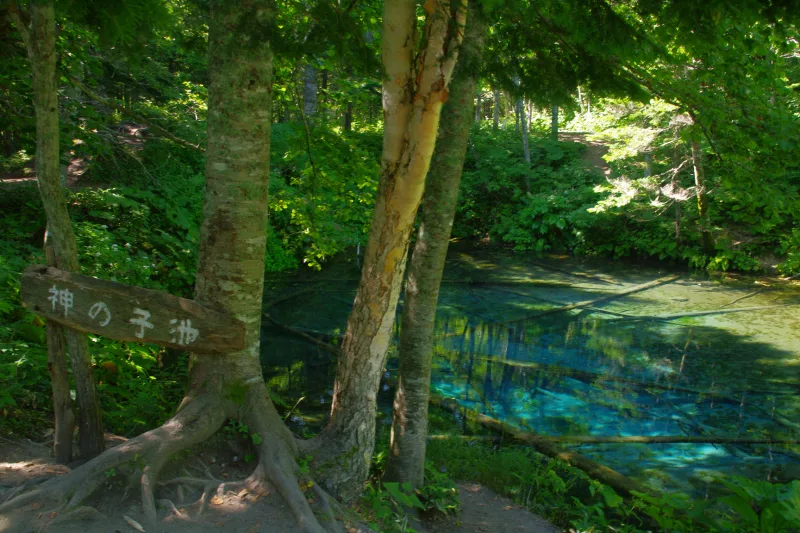
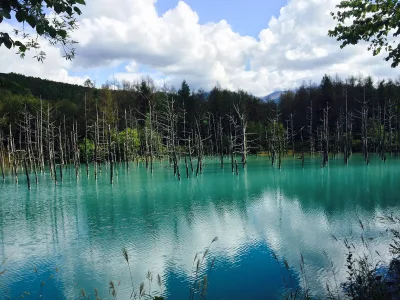 Shirogane Blue Pond
A pond in Biei whose water looks uncannily blue among dead larch trunks. Born by accident from volcano defences, it looks completely different each season.
Shirogane Blue Pond
A pond in Biei whose water looks uncannily blue among dead larch trunks. Born by accident from volcano defences, it looks completely different each season.
-
3
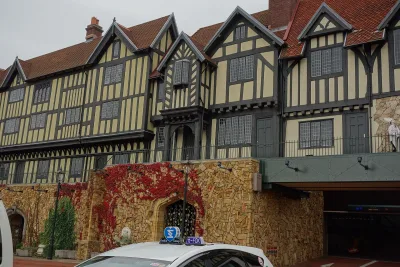 Shiroi Koibito Park
A Sapporo sweets park in English-style buildings where you tour the factory making Shiroi Koibito, Hokkaido's classic souvenir. Renewed in July 2026.
Shiroi Koibito Park
A Sapporo sweets park in English-style buildings where you tour the factory making Shiroi Koibito, Hokkaido's classic souvenir. Renewed in July 2026.
.jpg)


An island with room to roam
Hokkaido covers more than a fifth of Japan's land area, and you really feel the distances. Around Sapporo, the region's main city, you can move easily between the city and the countryside nearby. Head further north and the fields of Furano and Biei roll gently towards the mountains; head east and wetlands, lakes and the Shiretoko Peninsula show you scenery on an entirely different scale. Travel gets easier once you think of Hokkaido not as one destination but as a collection of regions.
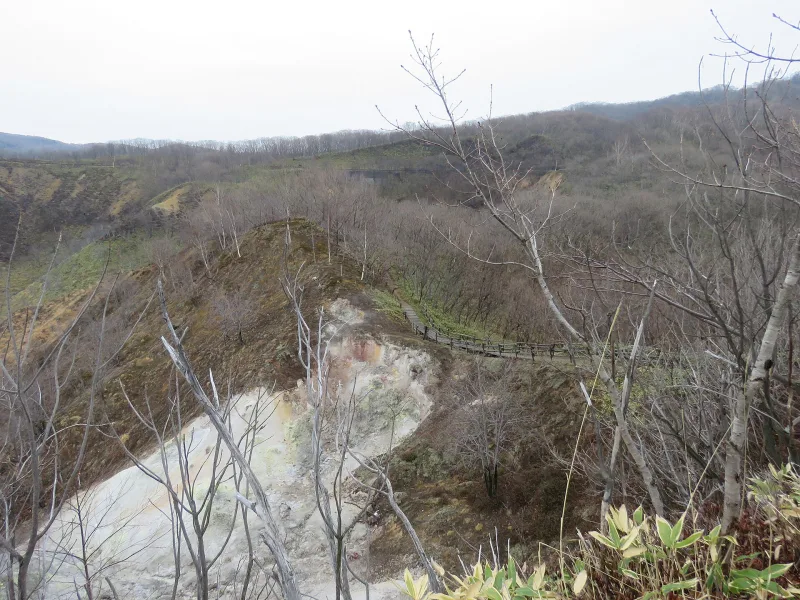
The coastline changes a great deal too. Hakodate faces a strait in the south and has the feel of a long-established port town, while Shiretoko juts out into the Sea of Okhotsk, where drift ice arrives in winter. Inland, volcanic lakes and hot springs make for a different kind of outing again. If you narrow your trip down to one or two areas, you will have time to notice these contrasts instead of spending your whole stay crossing the island.
Older stories beneath the modern map
Hokkaido is the homeland of the Ainu, an Indigenous people with their own language, traditions and history. In the town of Shiraoi, the National Ainu Museum and the National Ainu Park, known as Upopoy, present Ainu life through themes such as language, spiritual culture, work, history and exchange with other peoples. Crafts, music and food are introduced on site as well. This is not simply a place for looking at objects from the past but a place to learn about a culture that is still being handed down today.
The south of Hokkaido tells another story. Matsumae was once a castle town, and Esashi grew as a trading port whose sailors and herring fishermen left their mark on local culture. "Esashi Oiwake", a folk song connected with the lives of these people, is still sung today. Seen together, these places show that the idea of Hokkaido's history beginning with Sapporo is far too simple. People lived, traded, made things and passed on stories here long before today's cities took shape.
A table shaped by the sea and the farmland
Enjoying seafood here goes without saying, but it is worth trying several coastal specialities rather than just one. Crab, scallops, squid, salmon and sea urchin all turn up in Hokkaido cooking. Kaisendon, a bowl of rice topped with an assortment of seafood, is handy when you want to try several kinds at once. Away from the sea, the farms and dairies make it clear why local vegetables, milk and cheese matter just as much to the food here.
Sapporo's soup curry is a fragrant, soupy curry with large chunks of vegetables and, often, chicken or seafood. For a meal to share around the table, look for jingisukan: lamb or mutton grilled with vegetables on a pan with a raised centre. Travel through Tokachi and you will find another food story in its dairy farms and cheese makers. Rather than asking which single dish represents Hokkaido, eat according to the area you are in.
The experience changes with the season
Spring arrives later in Hokkaido than in most of Japan, so a Hokkaido trip can sometimes catch the cherry blossoms after they have finished further south. In summer, lavender blooms in Furano, and the relatively mild, less humid weather suits walking and hiking. This is also when the farming landscape is at its most striking, with fields and flower fields becoming part of any casual drive from town to town.
Autumn is short but rich in harvests, salmon and autumn leaves. Winter is more than just ski season: snow transforms Sapporo and the mountain areas, and ice gathers off the Sea of Okhotsk coast. The Sapporo Snow Festival celebrates the season with huge snow and ice sculptures, and further east the drift ice itself is a reason to visit the coast. The same route can feel like a different trip when the season changes.
Getting there and choosing how far to go
Most travellers fly into New Chitose Airport near Sapporo. Another option from Honshu (Japan's main island) is to take the shinkansen, Japan's high-speed train, to Shin-Hakodate-Hokuto, then change to a conventional line if you are heading towards Sapporo. Ferries to Hokkaido also leave from several ports on Honshu. The best arrival point depends on which part of Hokkaido you plan to explore first.
A trip based in Sapporo with outings to places such as Otaru is easy by train, and buses link some stations with hot spring resorts. A rental car gives you flexibility for rural stops, but you need a realistic plan that allows for the long distances. Sapporo has a subway, but transport options thin out once you leave the cities. If you want to see both the southern port towns and the wild east, allow time for the journey between them. Otherwise, settling into one region is a pleasure in itself.
Sources
- Quick guide to Hokkaido | HOKKAIDO LOVE! -Hokkaido Official Tourism Site
- Hokkaido | Hokkaido | Destinations | Travel Japan - Japan National Tourism Organization (Official Site)
- National Ainu Museum and Park (Upopoy) | Travel Japan - Japan National Tourism Organization (Official Site)
- Esashi Oiwake Kaikan & Esashi Yama Kaikan | What to See & Do | HOKKAIDO LOVE! -Hokkaido Official Tourism Site
- Soup Curry | What to See & Do | HOKKAIDO LOVE! -Hokkaido Official Tourism Site
- Kyodogakusha Shintoku Farm | What to See & Do | HOKKAIDO LOVE! -Hokkaido Official Tourism Site
- Transport | HOKKAIDO LOVE! -Hokkaido Official Tourism Site
- Getting Around Hokkaido | Features | HOKKAIDO LOVE! -Hokkaido Official Tourism Site