Japan is Nippon
Chanko Nabe (Sumo Wrestlers' Hot Pot)
The hearty hot pot sumo wrestlers eat in their stables, though "chanko" really means any wrestler's meal. What to know before trying it in Ryogoku.
Eaten all over Japan
Best known in Tokyo.
- TokyoRyogoku in Sumida City, home to the Kokugikan arena and many sumo stables, has lots of chanko restaurants, some run by former wrestlers
What is chanko nabe? "Chanko" isn't actually the pot
"Chanko" is the word for any meal eaten by sumo wrestlers in a sumo stable (heya, where wrestlers live together and train under a stablemaster, known as an oyakata). According to the Japan Sumo Association, if a wrestler cooked it, it's chanko, whether it's curry and rice, karaage (fried chicken) or a full French course.
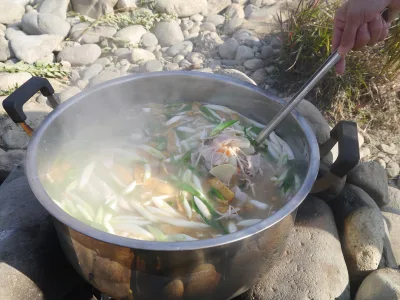
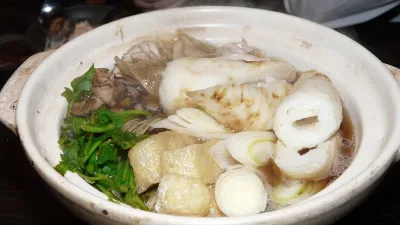
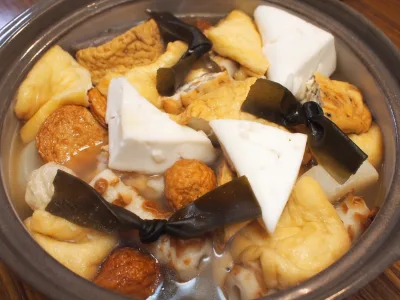
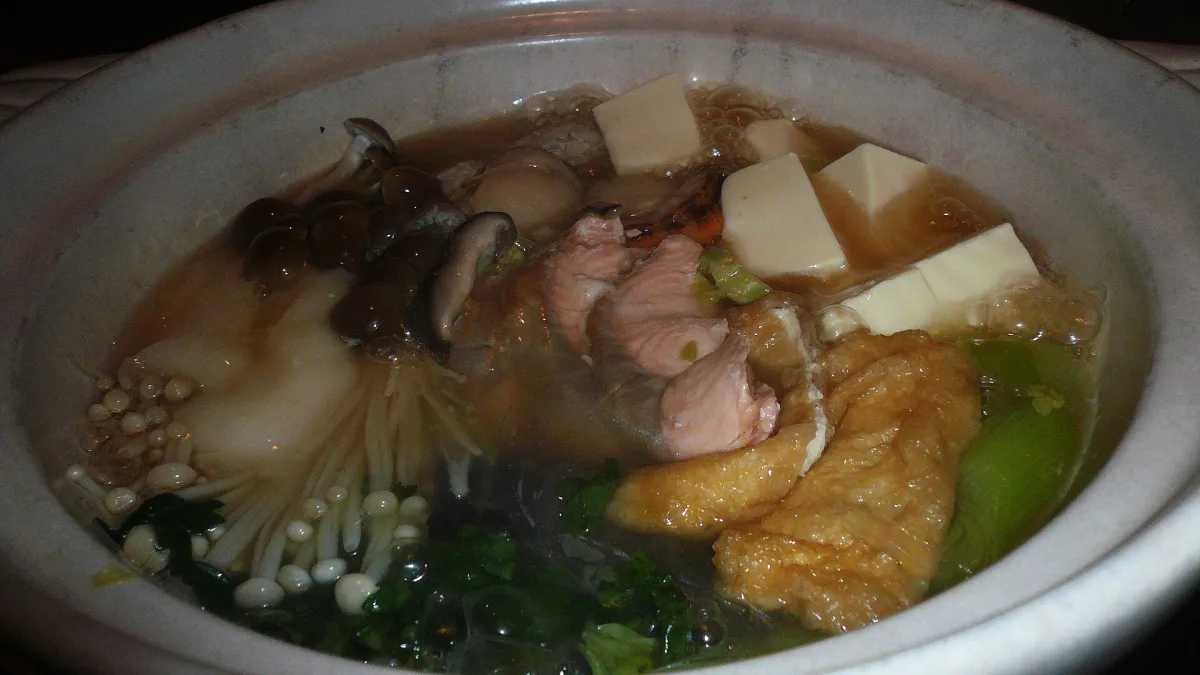
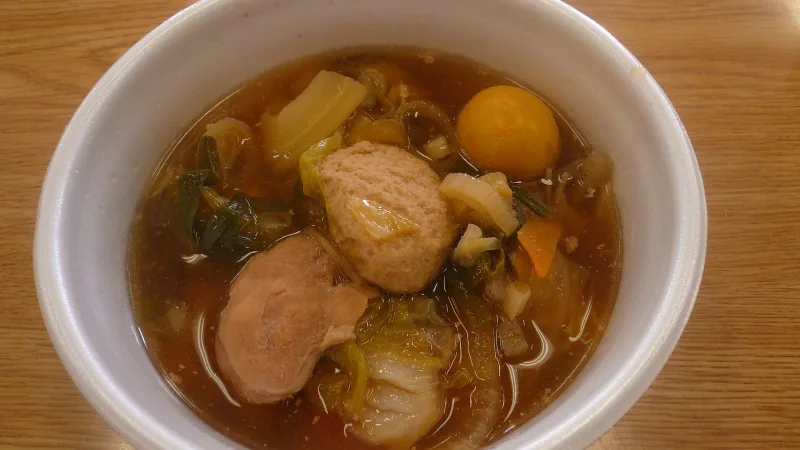
The most famous of these meals is the dish usually called chanko nabe (nabe means hot pot). Tourism material from Sumida City in Tokyo describes it as a hot pot of all sorts of ingredients simmered in a broth made from torigara (chicken bones). Easy to digest and packed with vitamins, minerals and dietary fibre, it has long been loved not just by wrestlers but by local people too.
Where does the word "chanko" come from?
According to the Japan Sumo Association, "chanko" is a word the sumo world has used for a long time, but there are several theories about its origin and none is settled. One says it comes from the name of a metal pot called a shako ("sand pot") that reached Nagasaki from China.
Other theories trace it to "chan", an old way of saying "dad": because the stablemaster (chan) and his apprentices (ko, "children") eat together; because the older man who looked after the meals was fondly called "chan"; or because Hitachiyama, the 19th yokozuna (sumo's highest rank), called the veteran wrestler in charge of the cooking "chanko" (written with the characters for "father" and a familiar suffix). The former yokozuna Kotozakura (the previous Sadogatake stablemaster) is said to have explained it as "because the stablemaster and his apprentices eat together".
Chicken: the lucky "never lose" ingredient
Chicken often goes into chanko nabe. According to Sumida City's material, that's because a chicken stands on two legs, so it never gets "earth on it", which suggests never losing (in sumo, getting earth on you, touching the ground with anything but your feet, means defeat). Chicken meatballs are another popular addition, as their round white shape recalls shiroboshi, the white star that marks a win.
The broth comes in many flavours: salt, light Japanese-style, white miso, red miso, or plain with ponzu (a tangy dipping sauce made with citrus juice). In Ryogoku every restaurant has its own taste, from soy-sauce broths that combine chicken stock with the sweetness of pork to seafood miso broths and inventive house creations.
Eating it in Ryogoku, the home of sumo
The place to eat chanko nabe is Ryogoku in Sumida City, Tokyo. Ryogoku is home to the Ryogoku Kokugikan, the grand sumo arena, and sumo stables are clustered around it. According to GO TOKYO, the Tokyo Metropolitan Government's official tourism site, the Kokugikan hosts three grand sumo tournaments (honbasho, the official tournaments) a year, and you may even spot wrestlers out in the streets.
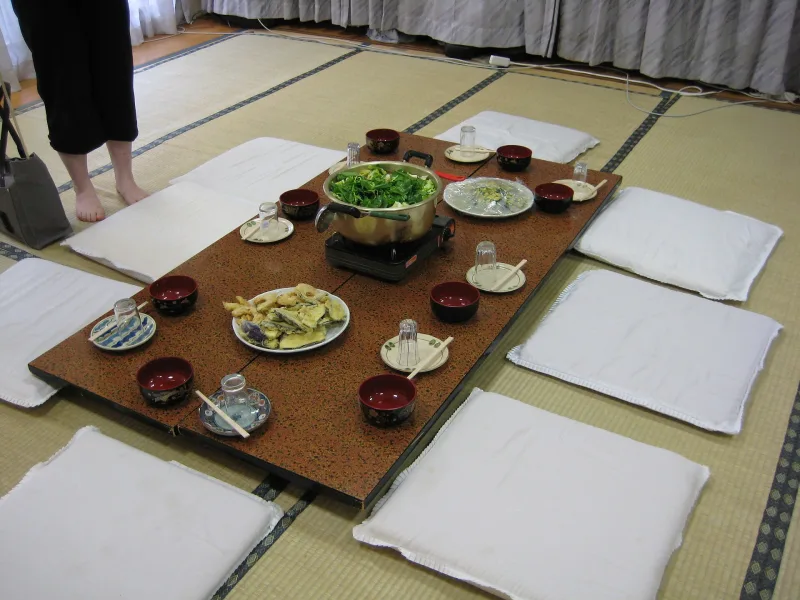
Ryogoku has plenty of chanko nabe restaurants, some run by former wrestlers. Sumida City's material lists long-established specialist restaurants as well as hotel restaurants and izakaya (Japanese pubs) that serve it as one dish on the menu. Hot pots tend to be shared by a big group, but some places offer "hitori chanko", a single portion for one.
How to enjoy it, and dietary notes
Sumida City's material also suggests pairing white wine with salt, light Japanese-style or white miso broths and red wine with red miso, adding that beer, shochu (a Japanese distilled spirit) and sake go well with it too. It even recommends "natsu chanko" (summer chanko), eaten in the hot months.
For anyone with dietary restrictions: chanko nabe broth is normally made from chicken bones, and besides chicken the pot may contain pork or seafood. If you're vegetarian or avoid pork or seafood, check the broth and ingredients with the restaurant before you order.
Tips
- If you're visiting Ryogoku, check when the grand sumo tournaments are on. You'll have a better chance of seeing wrestlers around town.
- Dining alone? Look for a restaurant that serves "hitori chanko" (a single-portion pot).
- Broths vary from place to place, from salt to soy sauce to miso. Check which broth is on the menu before you choose.
- The chicken meatballs in the pot are a lucky ingredient, as they recall a winning white star (shiroboshi).
- The broth is normally made from chicken bones. Vegetarians should check before ordering.