Japan is Nippon
Kiritanpo Nabe (Akita Rice-Stick Hotpot)
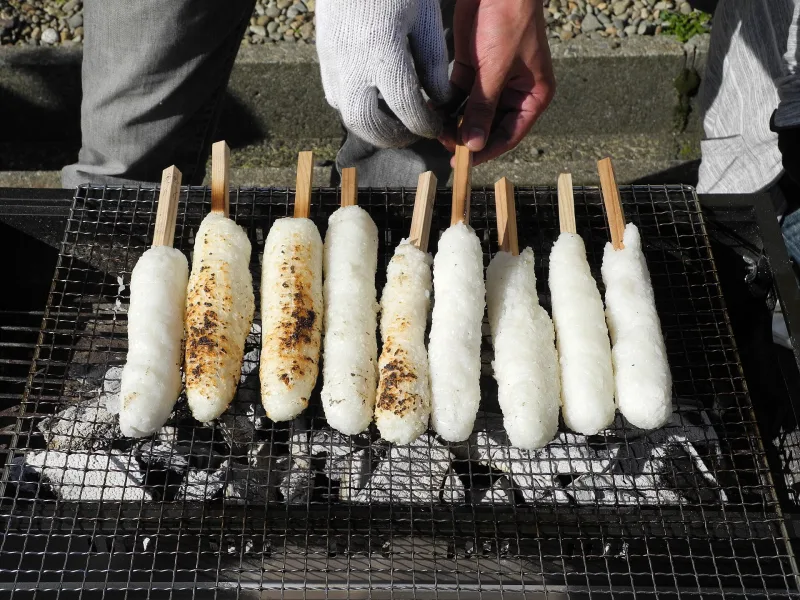
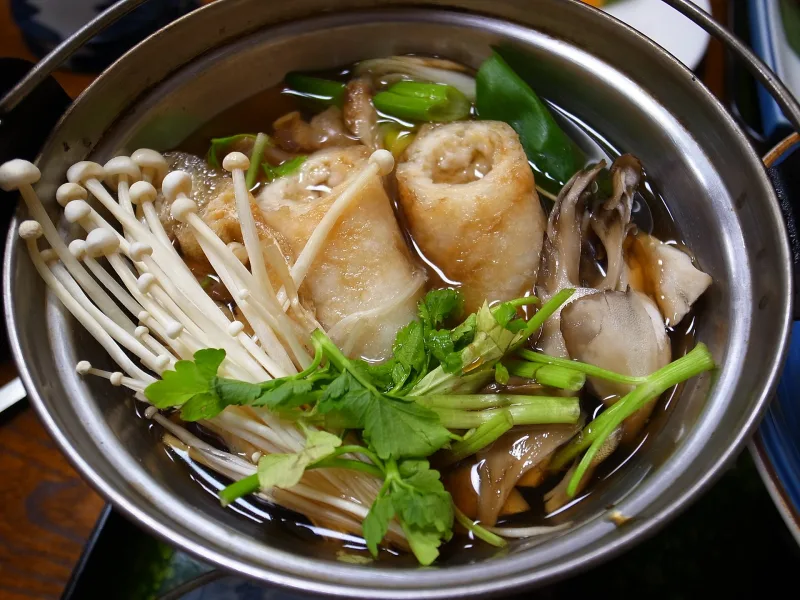
Mashed rice wrapped round cedar skewers, grilled over charcoal, then simmered in a pot: Akita's rice-starring hotpot of the new-rice season.
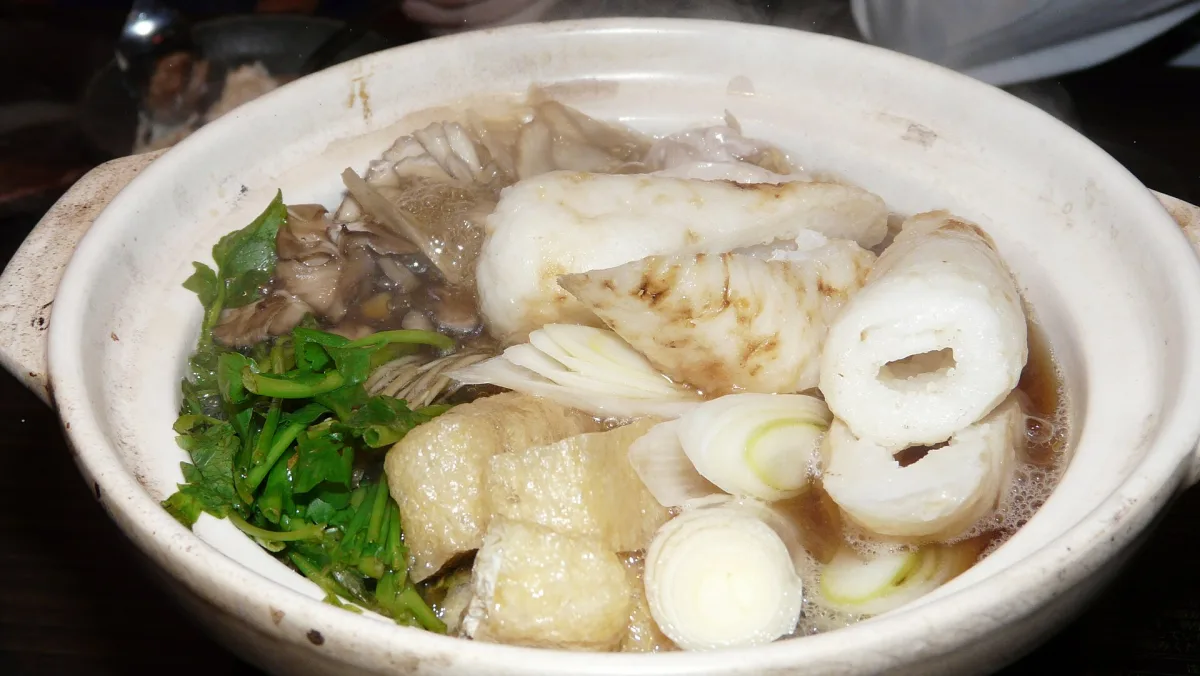
A local dish of Akita
You will mostly find it in this area, rarely elsewhere in Japan.
- AkitaOdate and Kazuno in the north are considered its birthplace; in Odate, Hinai-jidori chicken is the standard
What is kiritanpo nabe?
Kiritanpo nabe is a local dish from northern Akita Prefecture. Cooked rice is mashed, wrapped round a skewer and grilled over charcoal; the result is called tanpo. This is cut into bite-sized lengths and simmered in a broth made from chicken bones, together with chicken, burdock root, long Japanese leeks, seri (Japanese parsley, a strongly aromatic wild plant) and maitake mushrooms. The basic seasoning is soy sauce.
The name is said to come from the grilled rice on its skewer looking like the seed head of gama (bulrush), a plant that grows by the water. Tanpo, written with characters meaning "short ear", became its name, and tanpo that has been kiri (cut) to lengths that fit the pot is kiritanpo.
Born from the food of people working in the mountains
Its birthplace is considered to be the area around the cities of Odate and Kazuno in northern Akita. According to legend, it began with people who stayed up in the mountains to make charcoal or fell Akita cedar: they mashed leftover rice, stuck it on sticks, grilled it and ate it in a pot of bird stew.
Odate City also introduces another story, that it was born when matagi (traditional hunters of the Tohoku region) put leftover rice balls into a pot of the birds and animals they had caught. Neither has been confirmed by records; both are handed down as legends.
The key to the flavour: Hinai-jidori chicken
Chicken is essential to kiritanpo nabe. Akita's Hinai-dori, the breed originally used, was designated a national natural monument, and for a time it could no longer be eaten. So, at the urging of the mayor of what was then the town of Hinai, a breed for eating, Hinai-jidori, was developed, and kiritanpo nabe came back as a home favourite.
In the method Odate City introduces, the stock is made by simmering Hinai-jidori bones from cold water, then the chicken, burdock and maitake are cooked in it and seasoned with soy sauce. No chemical seasonings are used; sake or salt can be added to taste. The tanpo goes in last and is simmered for only 2 to 3 minutes, followed by the leeks and, finally, the seri to finish.
A feast for the new-rice season
Kiritanpo nabe is most often made in autumn, when the new rice is harvested. In northern Akita there is a custom of gathering round a pot of kiritanpo nabe once the rice harvest is over, to celebrate the hard work. In Odate, tanpo-kai (tanpo parties) to enjoy new-rice tanpo and rich Hinai-jidori are held all over, and the dish is also served at weddings, funerals and other ceremonies and to welcome guests.
Every year Odate holds the Honba Odate Kiritanpo Festival (in October, the new-rice season, according to Odate City), and Kazuno holds the Kiritanpo Birthplace Festival. At both you can eat kiritanpo nabe and also try making tanpo.
How it differs from miso-tsuke tanpo, and what to watch for
At tourist spots around Akita you will often see miso-tsuke tanpo: grilled tanpo spread with sweet miso mixed with sugar. Because of this, people from outside the prefecture tend to picture something on a skewer when they hear "tanpo", but according to Odate City, in Akita "tanpo" usually means kiritanpo nabe.
For readers with dietary restrictions: the tanpo itself is just rice, but the broth is made from chicken bones and the pot contains chicken. It is seasoned with soy sauce. If you are vegetarian or need to avoid certain ingredients, check with the restaurant.
Tips
- For the real atmosphere, visit northern Akita (Odate and Kazuno) in autumn, when the new rice comes out.
- At Odate's Honba Odate Kiritanpo Festival and Kazuno's Kiritanpo Birthplace Festival you can not only eat but also try making tanpo yourself. Check each city's announcements for dates.
- Miso-tsuke tanpo, grilled on a skewer with sweet miso, is a different food. If you want the hotpot, ask for kiritanpo nabe.
- For shop-bought tanpo to take home, Odate City suggests about 1.5 to 2 sticks per person.
- The dish uses chicken-bone broth and chicken, so if there are ingredients you need to avoid, check before ordering.