Tokyo
Tokyo is more than its busy wards: old Edo-era neighbourhoods, western mountains and Pacific islands all belong to the same capital.
Map outlines: Natural Earth
-
1
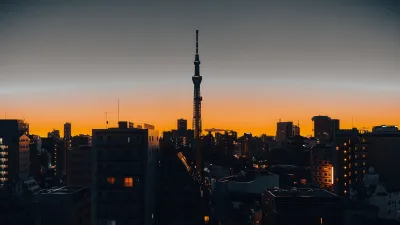 Tokyo Skytree
Tokyo's 634 m landmark, the world's tallest freestanding broadcast tower, with two observation decks at 350 m and 450 m giving 360-degree views over the city.
Tokyo Skytree
Tokyo's 634 m landmark, the world's tallest freestanding broadcast tower, with two observation decks at 350 m and 450 m giving 360-degree views over the city.
-
2
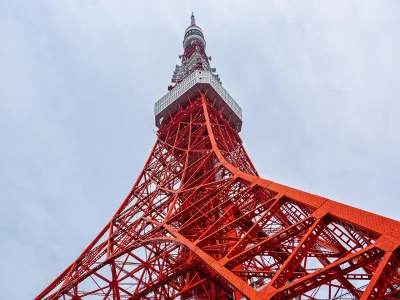 Tokyo Tower
The 333 m red-and-white broadcast tower watching over Tokyo since 1958. Enjoy the views from its decks, or climb about 600 outdoor steps to get there.
Tokyo Tower
The 333 m red-and-white broadcast tower watching over Tokyo since 1958. Enjoy the views from its decks, or climb about 600 outdoor steps to get there.
-
3
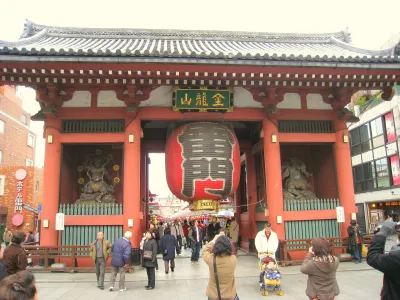 Kaminarimon Gate
Asakusa's symbol at the entrance to Sensoji, famous for its giant red lantern. Guarded by the wind and thunder gods, it marks the start of the temple approach.
Kaminarimon Gate
Asakusa's symbol at the entrance to Sensoji, famous for its giant red lantern. Guarded by the wind and thunder gods, it marks the start of the temple approach.
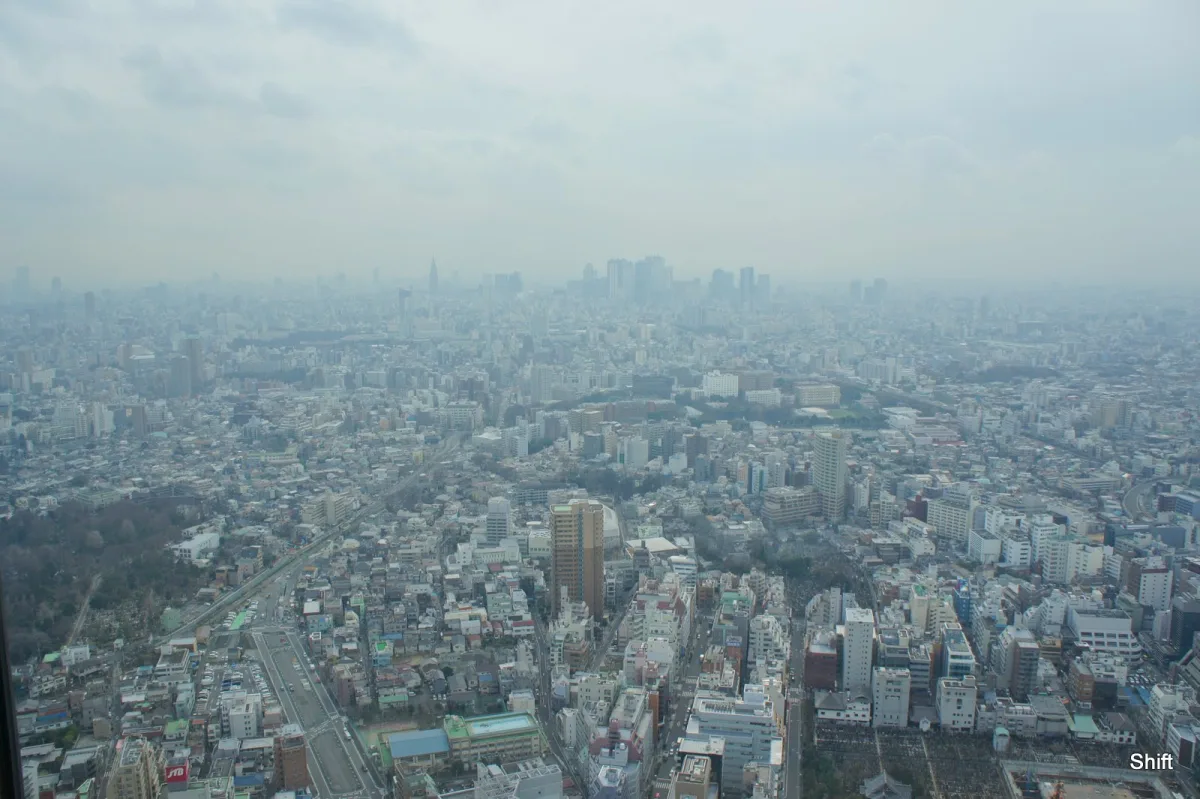
_%E6%B1%A0%E8%A2%8B%E3%81%AB%E3%81%82%E3%82%8B%E3%82%B5%E3%83%B3%E3%82%B7%E3%83%A3%E3%82%A4%E3%83%B360%E3%81%8B%E3%82%89%E3%81%AE%E9%A2%A8%E6%99%AF%E3%80%82%E6%96%B0%E5%AE%BF%E6%96%B9%E9%9D%A2%E3%82%92%E8%A6%8B%E3%81%A6%E3%81%84%E3%81%BE%E3%81%99%E3%80%82%E7%9C%9F%E3%82%93%E4%B8%AD%E3%80%81%E3%83%93%E3%83%AB%E7%BE%A4%E3%81%AF%E6%96%B0%E5%AE%BF%E5%89%AF%E9%83%BD%E5%BF%83%E3%80%82%E3%81%93%E3%81%AE%E6%97%A5%E3%81%AF%E6%9B%87%E3%82%8A_-_panoramio.jpg)
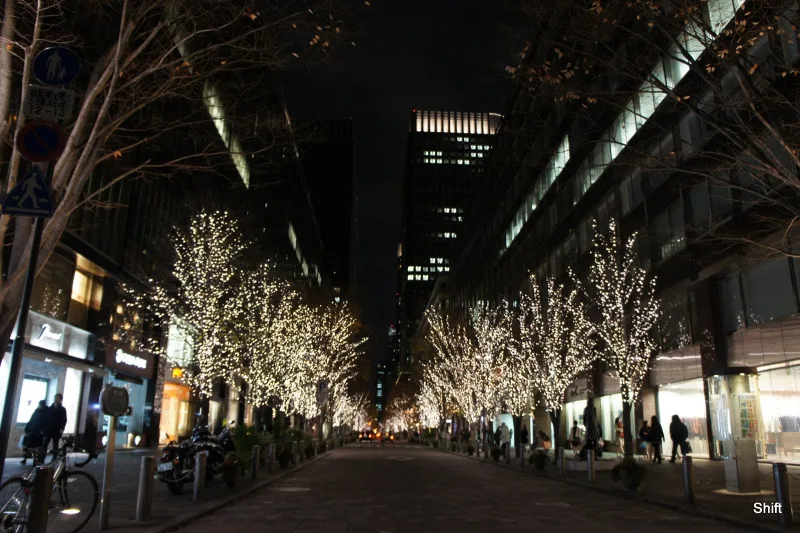
_%E9%8A%80%E5%BA%A7%E8%BF%91%E3%81%8F%E3%81%AE%E9%A2%A8%E6%99%AF%E3%80%82%E6%9D%B1%E4%BA%AC%E7%9A%84%E3%81%AA%E5%A4%9C%E6%99%AF%E3%81%A7%E3%81%99%E3%80%82_-_panoramio.jpg)
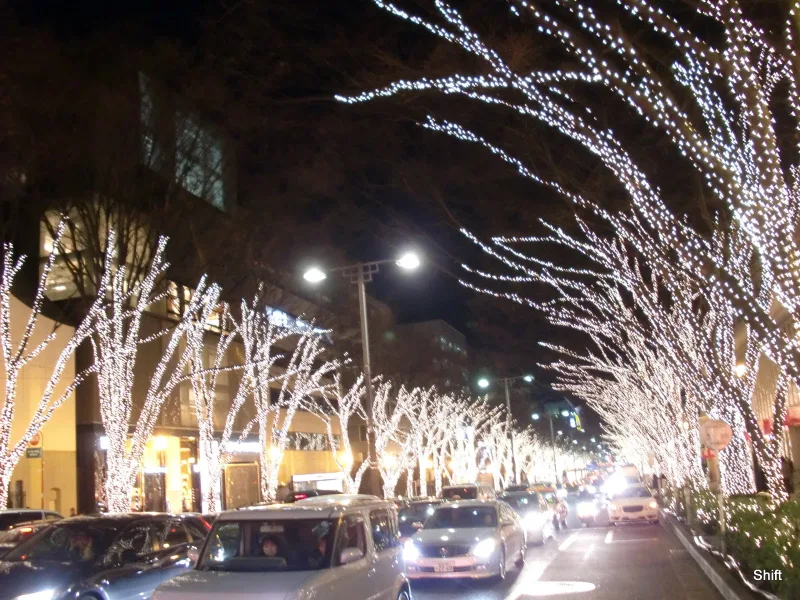
_%E8%A1%A8%E5%8F%82%E9%81%93%E3%81%AE%E5%A4%9C%E6%99%AF%E3%81%A7%E3%81%99%E3%80%82%E6%AD%A9%E9%81%93%E3%81%8B%E3%82%89%E5%B0%91%E3%81%97%E3%80%82%E3%81%9A%E3%81%A3%E3%81%A8%E9%80%A3%E3%81%AA%E3%82%8B%E3%81%9D%E3%81%AE%E3%82%A4%E3%83%AB%E3%83%9F%E3%83%8D%E3%83%BC%E3%82%B7%E3%83%A7%E3%83%B3%E3%80%81%E3%81%91%E3%82%84%E3%81%8D%E4%B8%A6%E6%9C%A8%E3%82%92%E7%85%A7%E3%82%89%E3%81%97%E5%87%BA%E3%81%99%E3%81%AE%E3%81%AF90%E4%B8%87%E5%80%8B%E3%82%82%E3%81%AELED%E3%81%A7%E3%81%99%E3%80%82%E6%98%8E%E6%B2%BB%E7%A5%9E%E5%AE%AE%E9%8E%AE%E5%BA%A7%E4%B9%9D%E5%8D%81_-_panoramio.jpg)
Three very different landscapes in one capital
The Tokyo Metropolis is both Japan's capital and one of its prefectures. The dense urban area most travellers picture when they hear "Tokyo", the 23 special wards, is only part of it. Head west into the Tama area and the streets give way to towns, wooded hills and mountains. Mount Takao in Hachioji has walking trails and views, and a day outdoors there feels completely different from a day in the central wards.
Tokyo also stretches south across the Pacific. The Izu Islands have volcanic landscapes, and the more distant Ogasawara Islands have subtropical forests and endemic wildlife found nowhere else. These distances are worth keeping in mind, because a trip to the islands needs completely different planning from crossing the city by train.
How Edo became Tokyo
Tokyo used to be called Edo. In 1603 Tokugawa Ieyasu set up his shogunate (a government led by the samurai class) here, and Edo grew into the political and cultural centre of Japan. When shogunate rule ended in 1868, the city was renamed Tokyo and the emperor moved there from Kyoto. The Tokyo Metropolis itself was established in 1943.
You can see this history without visiting a museum. Nihonbashi was the starting point of the main highways running from Edo to the rest of Japan. In Asakusa, Sensoji Temple and the shops of Nakamise Street still draw people into a district with a long history of its own. Tokyo has also been rebuilt many times: the Great Kanto Earthquake of 1923 and the air raids of the war both changed the city dramatically. Its old places sit within a landscape shaped by those losses and by what was built afterwards.
Food with a sense of place
Edo's busy streets encouraged food that was quick to make and quick to eat. Edomae sushi, originally made with seafood from Edo Bay (Edomae means "in front of Edo"), developed here, as did the city's taste for soba (buckwheat noodles). But Tokyo's local food is not limited to these two. Tsukishima's monjayaki is a thin batter mixed with cabbage and other ingredients and cooked on a griddle. Unlike a firm pancake, it stays soft, and you scoop it up a little at a time straight from the hot plate.
Fukagawa meshi began as a fishermen's meal near the Sumida River. Today it means either clams in a miso-based sauce poured over rice, or rice cooked together with clams. Eating dishes like these brings Tokyo's geography much closer to home.
Local pride on parade
Tokyo has no single custom that represents every ward, western town and island. Neighbourhood festivals give a better glimpse of local pride. In autumn, areas such as Kichijoji and Ikebukuro see more mikoshi (portable shrine) processions and community events.
The same attachment to place has a quieter side too. Ryogoku has long ties to sumo, and the shops around Nihonbashi carry on the district's commercial character. You can get around these areas in a single day by train, but each has its own sights and daily rhythms. Leaving time to walk from the station to where you are going is often the easiest way to notice them.
A city that changes through the year
Spring brings mild weather and cherry blossoms in parks, along rivers and on the streets. Hanami means flower viewing: friends, families and colleagues gather under the trees while the blossoms last.
Summer in the city is hot and humid. Local events, fireworks and evening get-togethers draw people outdoors, and the islands offer another way to enjoy the season on the beach. Autumn gradually brings weather suited to longer walks: garden trees turn red and yellow, and people visit Mount Takao to see the autumn leaves. Winter can feel cold, but the air is clear and you may see Mount Fuji in the distance. Hatsumode, the first visit of the new year to a shrine or temple, is another way the seasons show up in local life.
Once you arrive, look beyond the centre
Travellers usually arrive at Tokyo's Haneda Airport or at Narita Airport in neighbouring Chiba Prefecture. From other parts of Japan, you can reach Tokyo by shinkansen (high-speed train) or other rail lines. In the city centre, JR, private railways and two subway networks make getting between areas practical without a car. IC cards are rechargeable transport cards that you can use to pass through the ticket gates of many railways and subways.
Exploring more of Tokyo takes a little more planning. Western destinations such as Mount Takao are served by rail, and buses are handy for places away from the main stations. Ferries leave the Takeshiba area for Tokyo's islands, and some islands also have flights. Ogasawara is reached by ship. Rather than treating everywhere with "Tokyo" in its name as part of an easy city stroll, decide whether you are giving the day to the wards, the western hills or the islands.
Sources
- Tokyo's History, Geography, and Population -TMG
- Mt. Takao | The Official Tokyo Travel Guide, GO TOKYO
- Ogasawara Islands - UNESCO World Heritage Centre
- Edo History & Culture | The Official Tokyo Travel Guide, GO TOKYO
- Asakusa | Tokyo | Kanto | Destinations | Travel Japan - Japan National Tourism Organization (Official Site)
- Tokyo Local Food | The Official Tokyo Travel Guide, GO TOKYO
- Tokyo Autumn Festival Guide | The Official Tokyo Travel Guide, GO TOKYO
- Best time to visit Tokyo and things to do for each season | The Official Tokyo Travel Guide, GO TOKYO
- Tokyo Summer Guide: Best Things to Do, Eat & Explore | The Official Tokyo Travel Guide, GO TOKYO
- Tokyo Autumn Guide : Best Things to Do, Eat & Explore | The Official Tokyo Travel Guide, GO TOKYO
- Getting to Tokyo - Travel to Tokyo | The Official Tokyo Travel Guide, GO TOKYO
- Transportation in Tokyo | The Official Tokyo Travel Guide, GO TOKYO
- Tokyo Islands | Tokyo | Kanto | Destinations | Travel Japan - Japan National Tourism Organization (Official Site)