Japan is Nippon
Imoni (Yamagata Taro Stew)
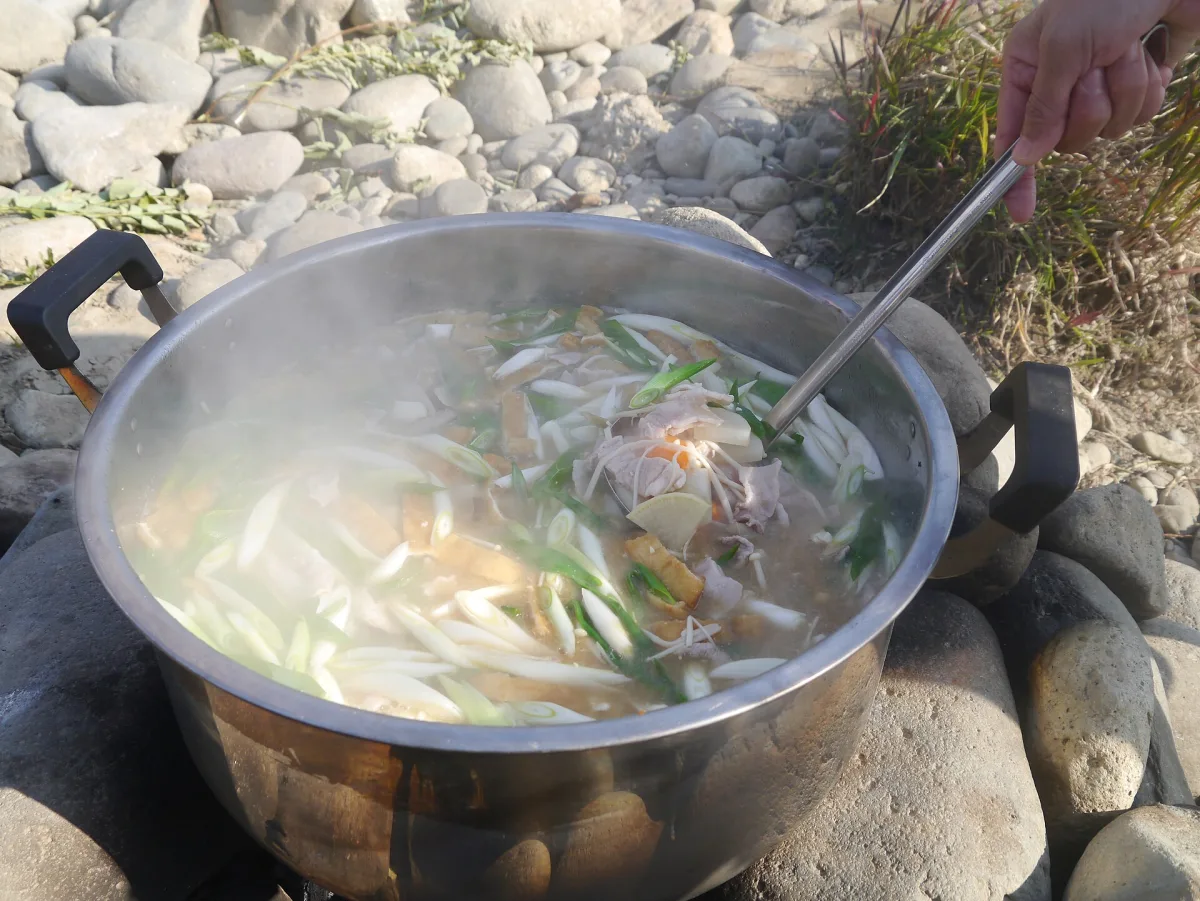
On autumn weekends Yamagata's riverbanks fill with groups round pots of imoni, a taro and beef stew. Imoni parties rival cherry-blossom viewing in Tohoku.
A local dish of Yamagata and Miyagi
You will mostly find it in this area, rarely elsewhere in Japan.
What is imoni?
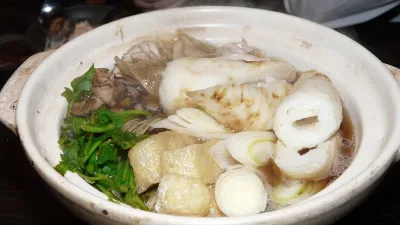
Imoni is a hotpot starring satoimo (taro, a small potato-like root with a sticky, silky texture), and it is one of Yamagata Prefecture's best-known local dishes. In inland Yamagata the basic version is taro, beef, konnyaku (a firm jelly made from konjac) and leeks simmered in soy sauce and sugar for a sweet-savoury flavour, sometimes with mushrooms or sasagaki gobo (burdock root shaved into thin slivers).
Imoni is mostly eaten from autumn into winter, when taro is harvested. Families make it at home, of course, but at this time of year it also appears at inns and restaurants and even on school lunch menus.
Imoni-kai: a hotpot party by the river
Nothing says autumn in Yamagata like the imoni-kai (imoni party). Families, friends or workmates carry a pot and ingredients down to a riverbank or park and cook and eat imoni on the spot. At weekends, riverbanks all over the prefecture are busy with groups, and in Yamagata it has become one of the year's fixtures, alongside New Year and end-of-year parties. People also cook imoni outdoors after school sports days and local events.
In the season, supermarkets and convenience stores stock imoni ingredients, and renting a set of big pot, firewood and goza (a rush mat to sit on) is completely normal. Imoni parties, with people gathering outdoors round a taro hotpot in autumn, are also popular in other parts of the Tohoku region, such as Miyagi Prefecture.
Born of bored boatmen?
Imoni is said by some to date back to around the mid-1600s, and a legend about its beginnings survives in Nagasaki, in the town of Nakayama, Yamagata. Back then, Nagasaki was the last stop for boats travelling up the Mogami River from Sakata on the Sea of Japan coast, and cargo was transferred there. With no way of announcing a boat's arrival, boatmen could be left waiting for days until the people collecting the goods turned up, and to pass the time, the story goes, they gathered round a pot on the riverbank.
Its roots are said to be taro from nearby villages and bodara (dried cod) from the boats' cargo, simmered in a pot hung from the branch of a pine on the river bank. A pine called the Nabekake Matsu ("pot-hanging pine") still stands on the spot. This, however, is presented as a legend. Beef is said to have found its way into imoni around the start of the Showa era (1926–1989).
Flavours and ingredients that change by area
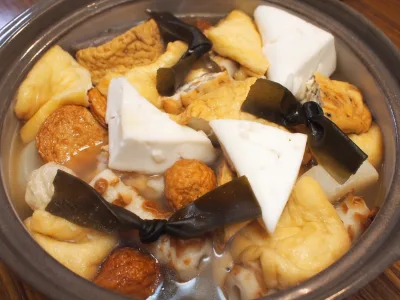
Part of the fun of imoni is that the flavour and ingredients vary from area to area and home to home. Within Yamagata, the biggest difference is in the Shonai area on the Sea of Japan coast, where pork replaces beef and the standard is a miso-flavoured version that also includes atsuage (thick deep-fried tofu) and more. Pig farming thrives there, and it is said this may be why pork, and the miso that suits it, took hold.
Inland, beef with soy sauce is the base, but in the Mogami area people add wild mountain vegetables and mushrooms, while in parts of the Okitama area they add large chunks of firm tofu or use a little miso as a secret ingredient. Next door in Miyagi Prefecture, around Sendai, people make "Sendai-style imoni" with pork and taro seasoned with local Sendai miso.
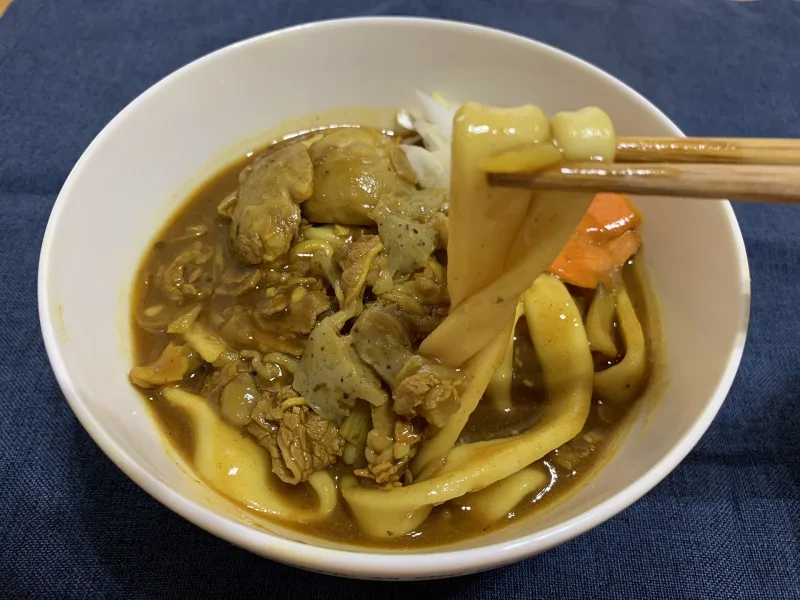
Adding udon to the pot once the other ingredients are running low, as a shime (the finishing dish of a meal), is well established, and recently some people add curry roux to turn it into curry udon.
Where to eat it, including from a 6.5-metre pot
Yamagata Prefecture is imoni's true home. In autumn, inns and restaurants around the prefecture serve it, and supermarkets and other shops sell all the ingredients, so travellers have chances to try it too.
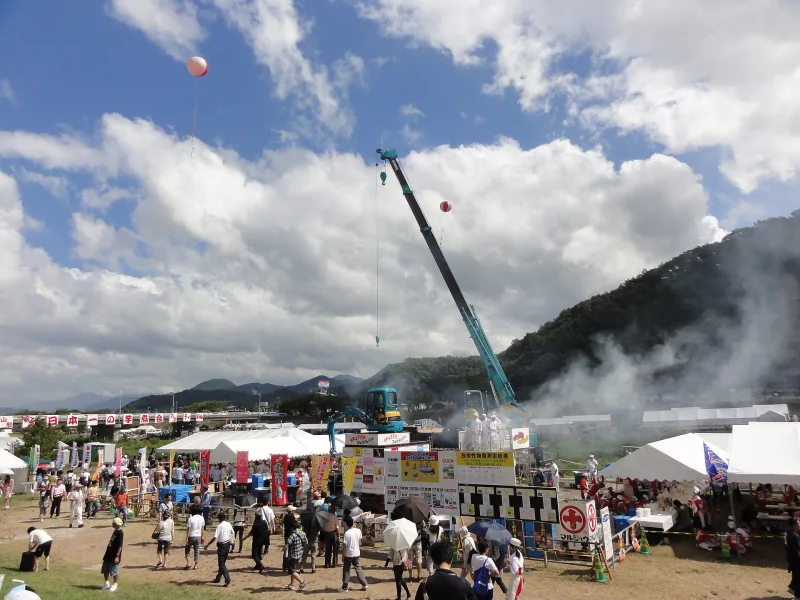
Every autumn, Yamagata City holds the Japan's Number One Imoni Festival (the 38th took place on 20 September 2026). Started in 1989, it cooks more than 30,000 servings of imoni at once in Nabetaro, a giant pot 6.5 metres across. Its famous sight is construction machinery, power shovels from building sites, being used to cook and serve. There is no parking near the venue, so the organisers ask visitors to use the shuttle buses from designated car parks.
For readers with dietary restrictions: inland Yamagata imoni uses beef, Shonai and Sendai imoni use pork, and the seasoning is soy sauce or miso. If you avoid meat, check the ingredients being used at the imoni party or restaurant.
Tips
- If you want imoni in Yamagata, autumn, when taro is harvested, is the season. You may even spot groups holding imoni parties on the riverbanks.
- Inland Yamagata's beef-and-soy-sauce version and the pork-and-miso versions of Shonai and Sendai are so different they are almost separate dishes. Trying both shows you the regional differences.
- When the pot is running low, try the shime (finishing course): add udon noodles or curry roux.
- If you are going to the Japan's Number One Imoni Festival, there is no parking near the venue, so check the official website for how to get there.
- If you need to avoid beef or pork, check the ingredients in advance.