Japan is Nippon
Minetopia Besshi
マイントピア別子
A visitor site at the Besshi Copper Mine, worked for 283 years. Ride a mine train into a tunnel, then see brick ruins dubbed "the Machu Picchu of the East".
Besshi Copper Mine, a pillar of modern Japan
Besshi Copper Mine was in the mountains of Niihama city, Ehime Prefecture, and is counted as one of Japan's three great copper mines. The Sumitomo family began mining here in 1691, and in the Edo period its copper was even used to pay for foreign trade at Nagasaki. From the Meiji era (1868-1912) onwards it became the foundation of Sumitomo's businesses and helped Niihama grow into an industrial city.
As mining went deeper, the tunnels reached about 1,000 metres below sea level, and with rock pressure and underground heat rising, the mine closed in 1973. Its history spanned 283 years and four eras: Edo, Meiji, Taisho and Showa. Minetopia Besshi opened on the site in June 1991 as a visitor attraction; its name combines the English words "mine" and "utopia".
Hadeba area: into the tunnel by mine train
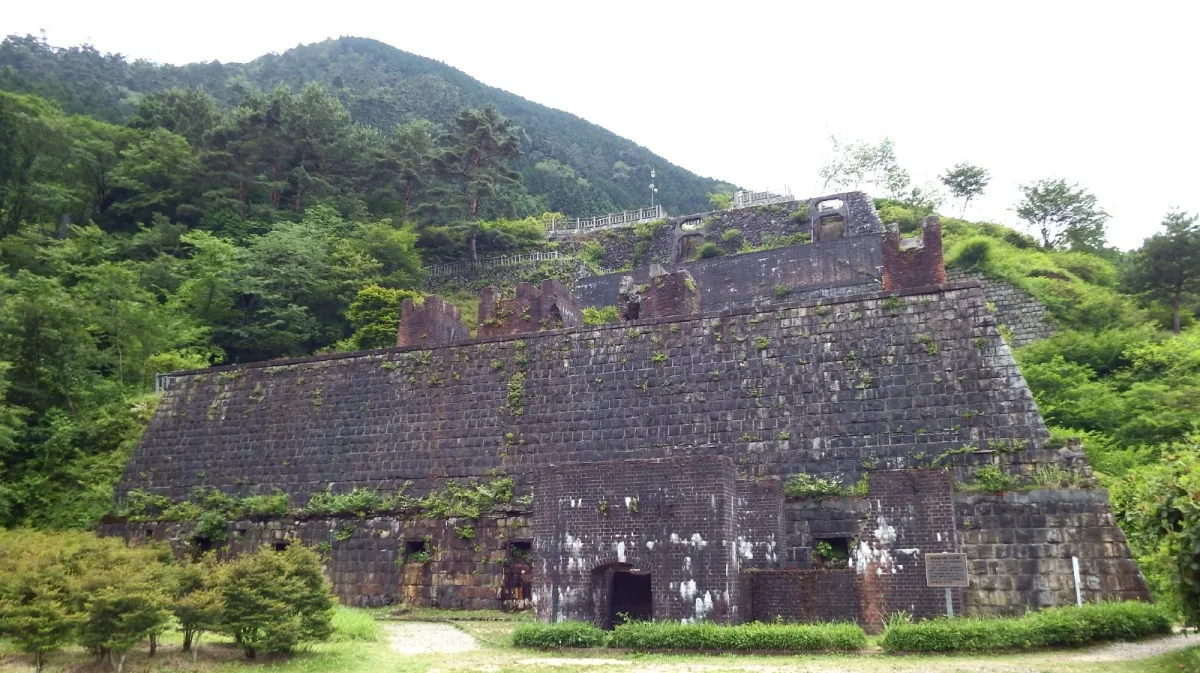
Hadeba, the area at the foot of the mountain, was the mine's mining headquarters from 1930 until it closed. Today it is a michi-no-eki (a nationally registered roadside rest area on a main road) with the main visitor building.
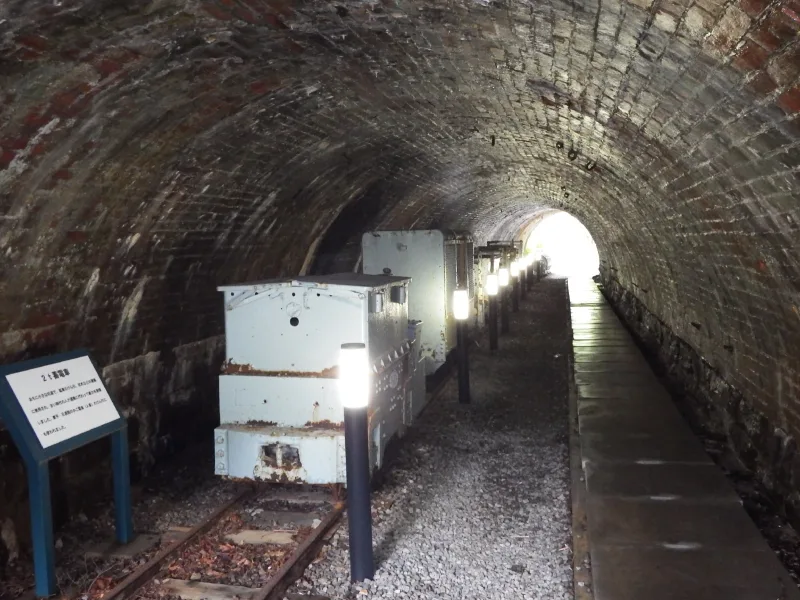
The big draw is the mine tour. You ride a small train on the railway once used to carry ore, then walk through the show tunnel at the other end. Inside, models and other displays tell the story of the mine from the Edo period to modern times. According to the official website it takes about 40 minutes to an hour. It is cool inside the tunnel even in summer.
There is also the former Hadeba hydroelectric power station, where you can see the original generators and water turbines up close, plus gold panning, a hot spring called Besshi Onsen Tenku no Yu, and restaurants.
Tonaru area: "the Machu Picchu of the East"
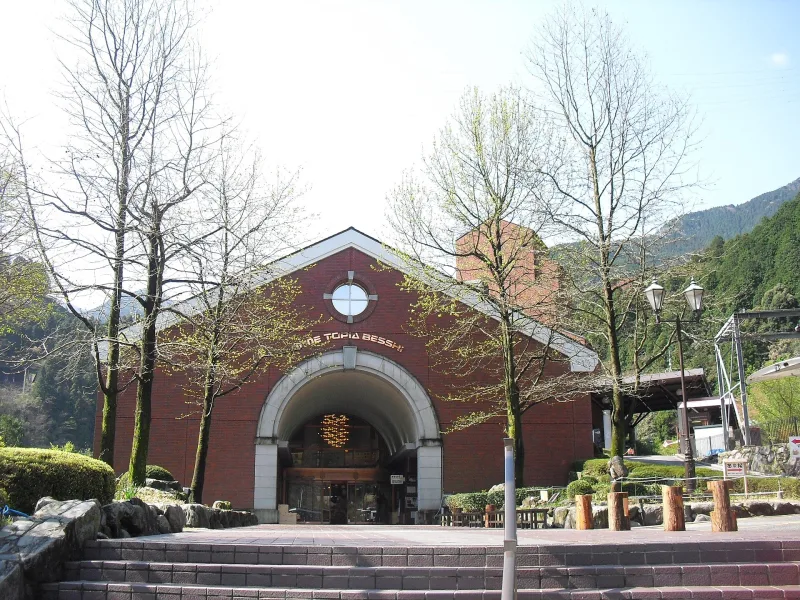
Tonaru, at about 750 metres above sea level in the mountains, was home to the mining headquarters from 1916 to 1930. At its peak about 5,000 people lived there, in a mountain town with a school, a hospital, entertainment halls and company housing. After the Tonaru tunnels were shut in 1968, the place was left uninhabited.
The stone and brick ruins still standing on the mountainside, especially the ore storage building and the remains of the aerial ropeway station (a system of cables for carrying loads), are called "the Machu Picchu of the East" because of how they look. At the Tonaru history museum you can learn about daily life there at the time.
Getting there, and seasonal warnings
For the Hadeba area, take Setouchi Unyu's Setouchi Bus from JR Niihama Station to the terminus at Minetopia Besshi. By car it is about 6 km from Niihama Interchange on the Matsuyama Expressway.
There is no public transport straight to the Tonaru area. Either drive, or join the paid sightseeing bus tour to Tonaru that leaves from the Hadeba area. The road up to Tonaru is a narrow, steep mountain road.
Tips
- The Tonaru area closes every year from December to around the end of February, when the road is shut for winter. Roads can also be closed by typhoons and the like, so check the operating calendar on the official website before you set out.
- On some days only the Tonaru area is closed. If Tonaru is what you are going for, always check whether it is open that day.
- The whole site is closed on Saturday 17 October 2026 (per a notice on the official website).
Sources
- マイントピア別子(公式) (opens in a new tab)
- 端出場エリア|マイントピア別子 (opens in a new tab)
- 鉱山観光・別子1号乗車体験|マイントピア別子 (opens in a new tab)
- 東平エリア|マイントピア別子 (opens in a new tab)
- アクセス|マイントピア別子 (opens in a new tab)
- 東平エリア9/11(金)より通行止め解除のお知らせ|マイントピア別子 (opens in a new tab)
- 東洋のマチュピチュ -別子銅山-|しまなみ海道(本州四国連絡高速道路) (opens in a new tab)
Updated 30 September 2026. Opening hours and prices change, so check the official site before you go.