Japan is Nippon
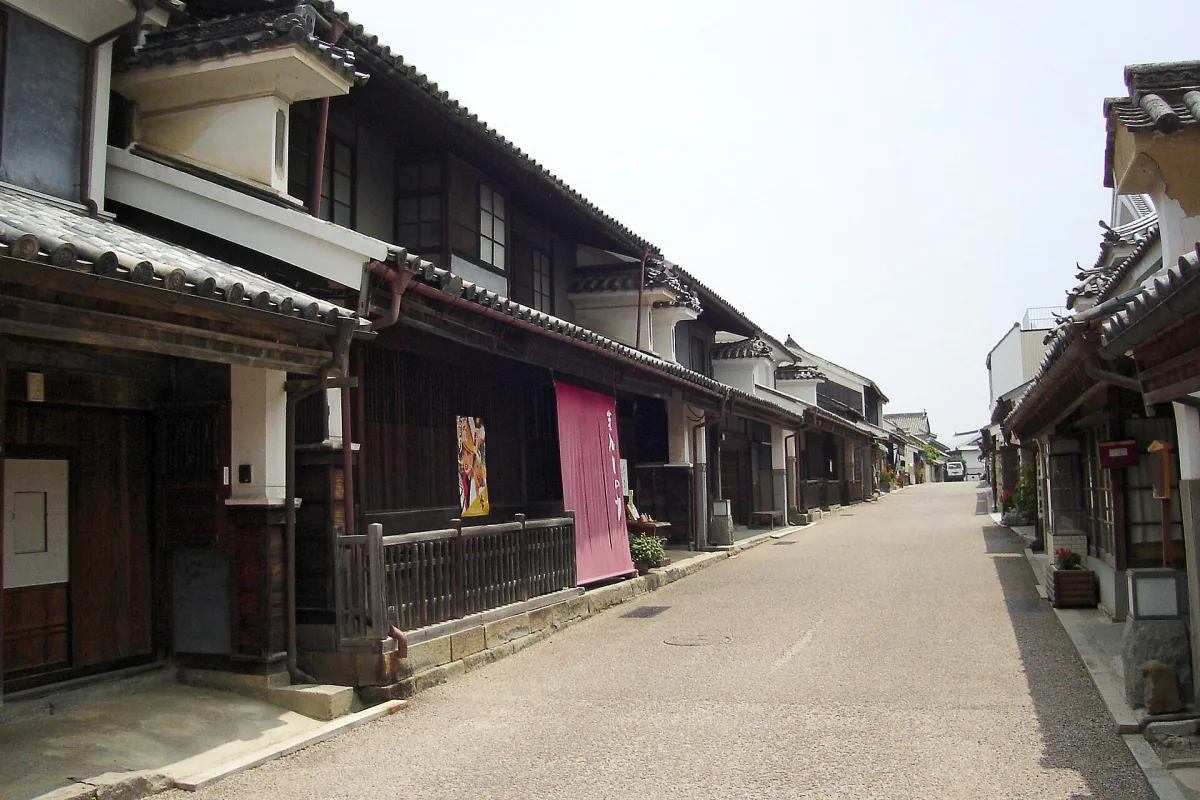
Wakimachi Udatsu Townscape
うだつの町並み
A merchant town that grew rich on indigo. White plaster houses topped with udatsu firewalls show where a Japanese saying about failure comes from.
A merchant town on the Yoshino River, built on indigo
The Wakimachi Udatsu Townscape is a historic street in Mima city, Tokushima Prefecture. It began as the town below Waki Castle. Set on the north bank of the Yoshino River, where roads linking Awa (Tokushima) and Sanuki (today's Kagawa Prefecture) met, it became a hub for both land and river traffic.
In the Edo period (1603-1868) it thrived as a collection and trading centre for indigo, the plant used to make indigo dye, and at its peak it is said to have had more than 100 indigo merchants. About 85 traditional buildings from the mid-Edo period to the early Showa period (the late 1920s and 1930s) still stand. In December 1988 it became Japan's 28th Important Preservation District for Groups of Traditional Buildings, a national designation that protects historic townscapes.
So what is an udatsu?
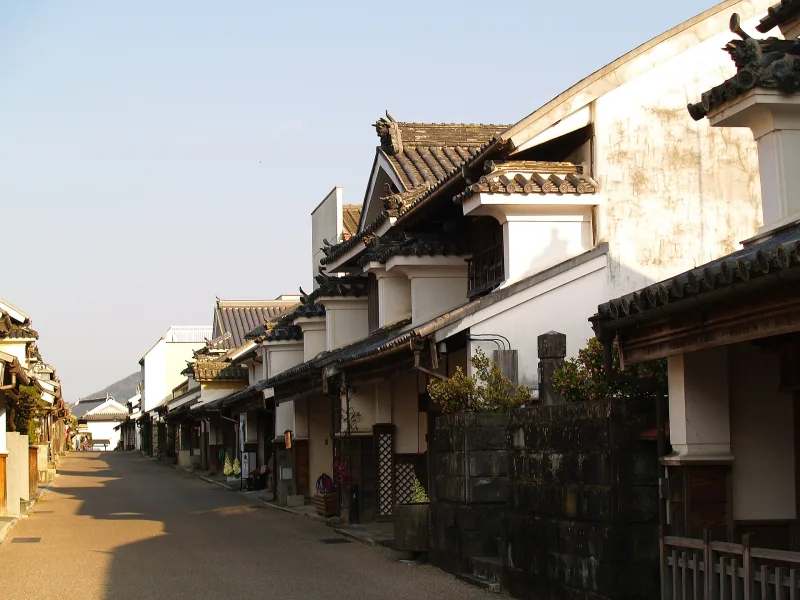
An udatsu is a plastered wall capped with roof tiles that juts up above the roof where one house meets the next. Originally it was there to stop fire spreading from the neighbours.
Because udatsu were expensive to build, they gradually became a symbol of wealth and success. The Japanese expression "udatsu ga agaranai" (literally "your udatsu never goes up"), meaning someone who never gets ahead or makes their mark, is said to come from these walls.
What to see along the street
Along the street you will find the Yoshida family residence, the Mima City Tourist Exchange Centre and places to try traditional crafts. If you book ahead, you can try indigo dyeing or join a guided walk around the town.
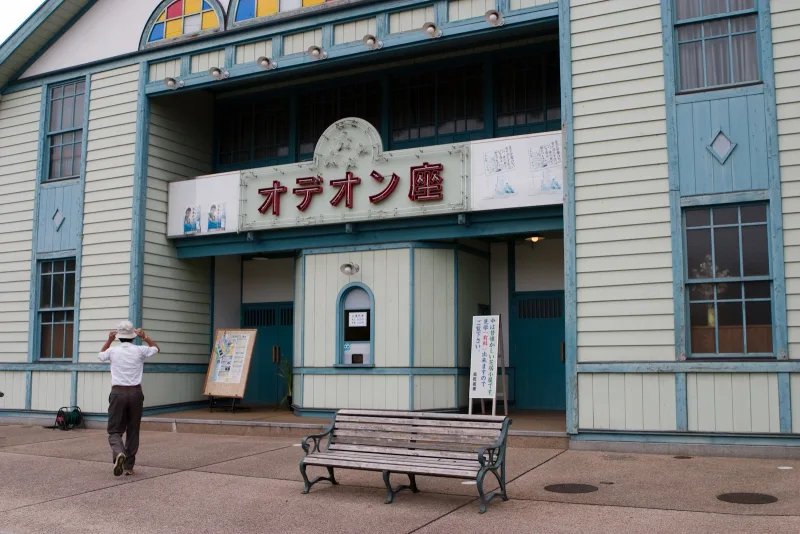
Also in Wakimachi is the Wakimachi Theatre, known as the Odeon-za, a playhouse built in 1934. It is a proper theatre with a revolving stage: before the war it staged kabuki and other plays, and after the war it was busy with singing shows and films. It was once close to being demolished, but after it was used as a location for director Yoji Yamada's film "Niji wo Tsukamu Otoko" (The Man Who Caught the Rainbow), it was restored in 1999 to how it looked in the early Showa period.
Getting there
It is about 10 minutes by car or taxi from JR Anabuki Station or from Wakimachi IC. From Tokushima city it takes about 40 minutes using the expressway.
Drivers can use the car park at the roadside station (michi-no-eki) Ai Land Udatsu. Each facility has its own closing days and visiting hours, so check the official websites.
Tips
- The udatsu sit up on the roofs, so step back a little from the middle of the street and look up at the ends of each house to see them properly.
- Indigo dyeing sessions need a reservation. If you want to try one, check how to book beforehand on the Mima city tourism website or similar.
- The Odeon-za is closed on Tuesdays, so bear the day in mind if you want to see it along with the townscape.
Sources
- 重要伝統的建造物群保存地区「うだつの町並み」 - 美馬市 (opens in a new tab)
- うだつの町並み - 【美馬市】観光サイト (opens in a new tab)
- 脇町劇場(オデオン座) - 【美馬市】観光サイト (opens in a new tab)
- 脇町うだつの町並み - ツーリズム四国 (opens in a new tab)
Updated 30 September 2026. Opening hours and prices change, so check the official site before you go.