Japan is Nippon
Gyoza (Japanese Dumplings)
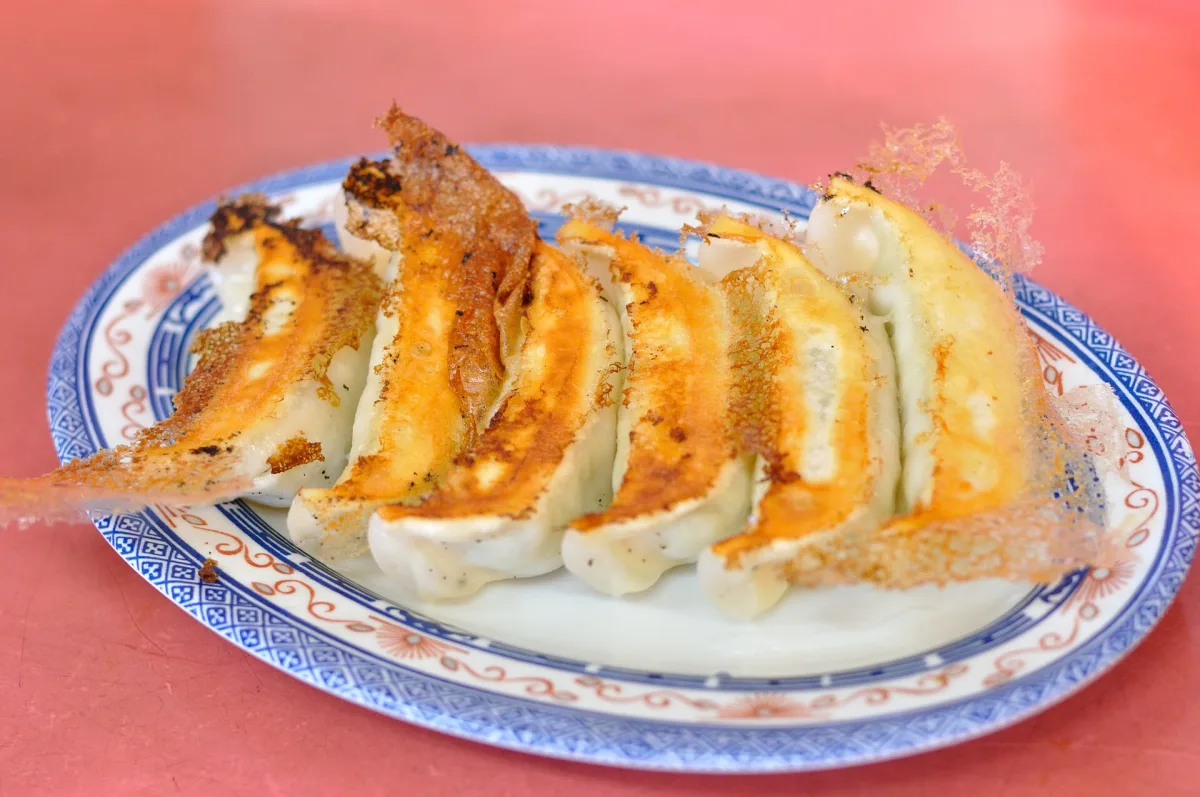
In China gyoza are mostly boiled; in Japan, a crispy browned base is the norm. Welcome to Japanese gyoza, where several cities compete to be number one.
Eaten all over Japan
Best known in Tochigi and Shizuoka and Hyogo and Miyazaki.
- TochigiUtsunomiya is known as "Gyoza City", with more than 200 gyoza restaurants
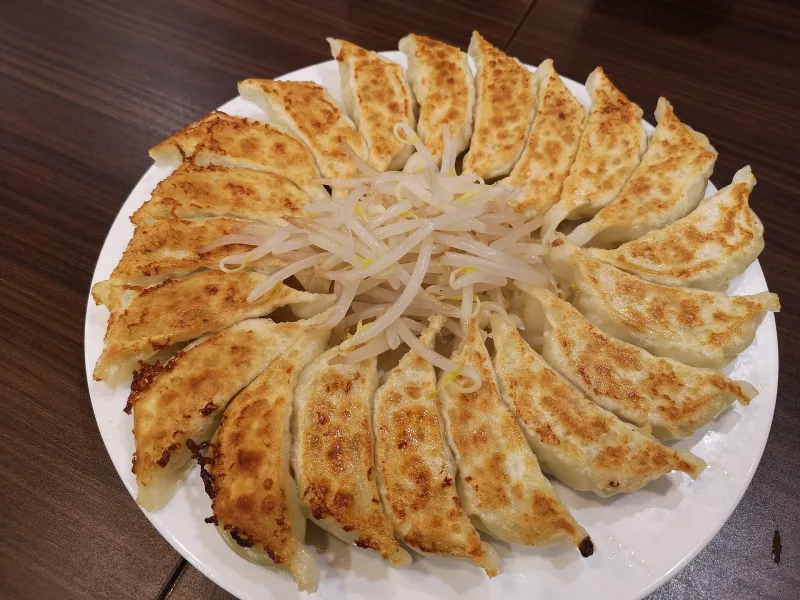
- Shizuoka"Hamamatsu gyoza", fried in a circle with bean sprouts in the middle; number one in Japan for gyoza spending in the Family Income and Expenditure Survey, 2023–2025
- HyogoIn Kobe, "misodare gyoza", fried gyoza with a miso-based dipping sauce, is well established
- MiyazakiMiyazaki city was number one in Japan for gyoza spending in the Family Income and Expenditure Survey in 2021 and 2022
What are Japanese gyoza?
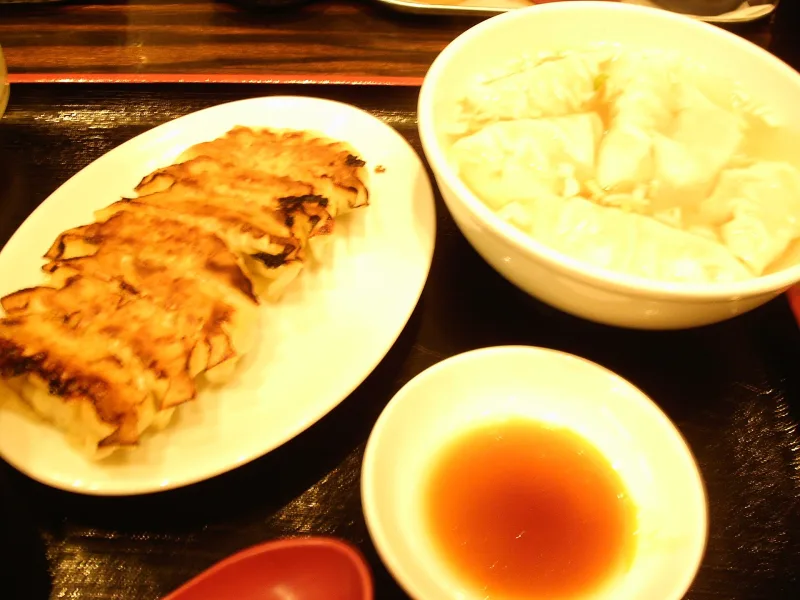
Gyoza are thin wheat-flour wrappers filled with an (a filling) of minced meat and vegetables. They originally came from China, but where boiled "sui-gyoza" are the norm in China, in Japan the norm is "yaki-gyoza", fried until crisp and golden on one side. The usual filling in Japanese homes and restaurants is minced pork, cabbage, garlic and nira (garlic chives, a long, thin leafy vegetable with a garlicky aroma).
They're also a familiar side dish at ramen shops and Chinese restaurants. Supermarkets sell ready-made wrappers and frozen gyoza, and plenty of people make them at home, so they're an everyday food. As well as fried gyoza, some restaurants serve boiled sui-gyoza or deep-fried age-gyoza.
How gyoza spread in Japan
One story says the first person in Japan to eat gyoza was Tokugawa Mitsukuni, lord of the Mito domain in the Edo period (known from period TV dramas as "Mito Komon"). It rests on a record that a scholar from China presented him with a dish rather like gyoza, but this is only one theory, and gyoza did not catch on straight afterwards. Recipes already appeared in Meiji-era cookbooks, and Chinese restaurants served them.
Gyoza became widely eaten after the Second World War. Before the war, fried gyoza are said to have been popular among Japanese living in former Manchuria (north-east China), and people who returned to Japan after the war made gyoza and spread them around the country. The pronunciation "gyoza" is also thought to be how Japanese in Manchuria heard the local word, brought home after the war and established by the 1950s. That said, fried gyoza themselves already existed in Japan before the war.
Utsunomiya, Hamamatsu and Kobe: visiting the gyoza cities
Utsunomiya in Tochigi Prefecture is known as "Gyoza City". Gyoza are said to have taken off there after soldiers sent to China recreated the gyoza they had learnt about there once they came home, and the city has more than 200 gyoza restaurants. In the early 1990s, a research group of city employees noticed that in the Family Income and Expenditure Survey by the Ministry of Internal Affairs and Communications (then the Management and Coordination Agency), Utsunomiya had the highest gyoza spending per household in Japan, and suggested promoting the city with gyoza. In 1993 a restaurant association, the Utsunomiya Gyoza Association, was founded, and the Utsunomiya Gyoza Festival has been held since 1999.
"Hamamatsu gyoza" from Hamamatsu in Shizuoka Prefecture have a light flavour that makes the most of the sweetness of cabbage and other vegetables, and their signature style is to fry the gyoza arranged in a circle and serve them with boiled bean sprouts in the middle. This presentation is said to have been started by a restaurant that began after the war as a stall in front of Hamamatsu Station. In the survey's gyoza spending figures, Hamamatsu came first in Japan three years running up to 2025. Miyazaki city also took first place in some years (2021 and 2022), and the three cities of Utsunomiya, Hamamatsu and Miyazaki compete for the ranking every year.
In Kobe, Hyogo Prefecture, "misodare gyoza", fried gyoza dipped in a miso-based sauce rather than vinegar and soy sauce, are widely eaten. Japanese living in Manchuria are said to have eaten fried gyoza with miso out of nostalgia for home, and when people who returned after the war served them this way at the eateries they opened in Kobe, the style spread to other restaurants.
How to order and eat them
Gyoza restaurant menus are often written in units of "ichinin-mae" (one portion, meaning one plate), and you decide how much to eat by how many plates you order. Many specialist restaurants in Hamamatsu keep their menu to little more than gyoza, rice and drinks, and plenty of locals make a meal of gyoza alone.
Dipping sauces vary by region and restaurant. As a rough tendency, in eastern Japan you mix the soy sauce and vinegar on the table yourself to your own taste, while in western Japan restaurants are said to often provide their own house sauce. Some people add rayu (spicy chilli oil) or eat them with "su-kosho", vinegar with pepper in it. Utsunomiya's sui-gyoza are usually served in a bowl of broth, and customers season them to taste with rayu, soy sauce and so on.
For those with dietary restrictions: standard Japanese gyoza contain pork, garlic and nira, in a wheat-flour wrapper. If you are vegetarian or want to avoid pork, check with the restaurant before ordering.
Tips
- In Utsunomiya and Hamamatsu, part of the fun is visiting several restaurants and comparing them. Ordering one plate at each makes it easier to get round.
- In Hamamatsu, try alternating bites of gyoza with the bean sprouts in the middle of the circle.
- In Kobe, try "misodare gyoza", eaten with a miso-based dipping sauce.
- If there's soy sauce and vinegar on the table, mix them yourself in whatever ratio you like to make a dipping sauce. If you like heat, add a little rayu (chilli oil).
- If you want to avoid pork or garlic, check the filling before you order.