Japan is Nippon
Hitsumabushi (Nagoya-Style Grilled Eel on Rice)
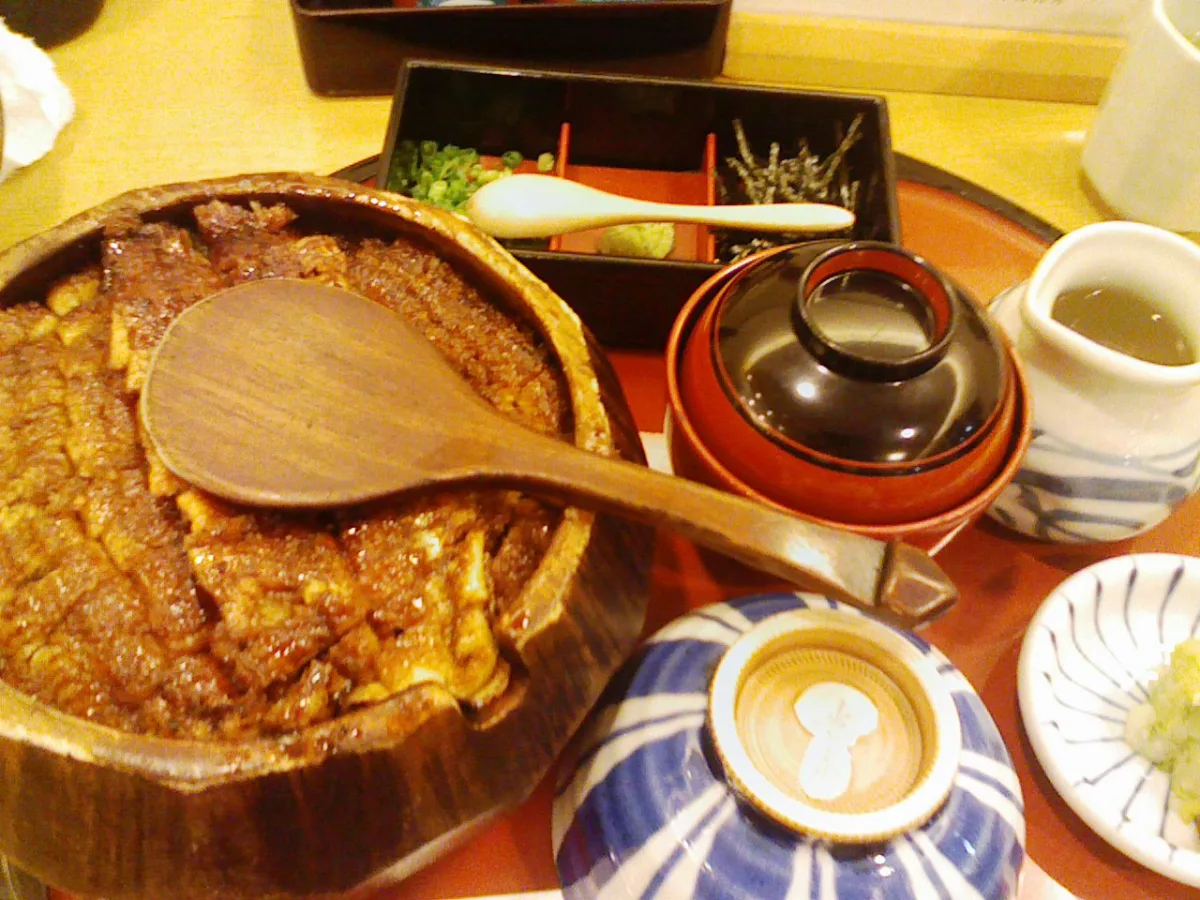
First bowl as it comes, second with condiments, third with dashi poured over. Nagoya's luxurious eel rice, enjoyed three ways.
A local dish of Aichi
You will mostly find it in this area, rarely elsewhere in Japan.
- AichiOne of Nagoya's "Nagoya meshi" specialities; long-established restaurants in Atsuta Ward and elsewhere claim to have invented it
What is hitsumabushi?
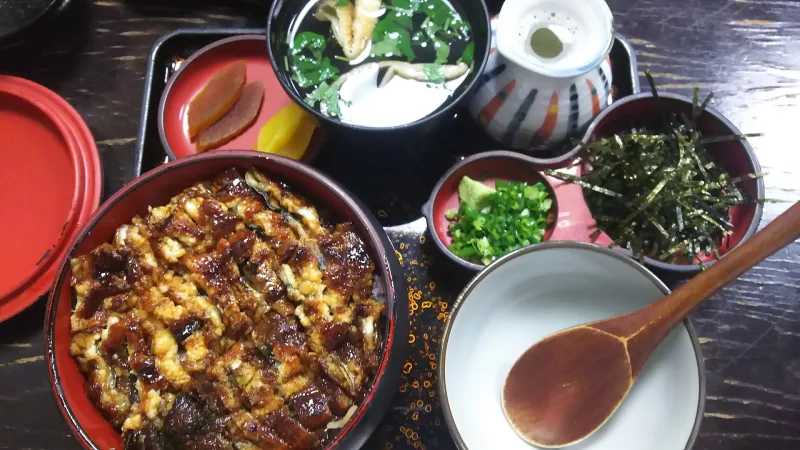
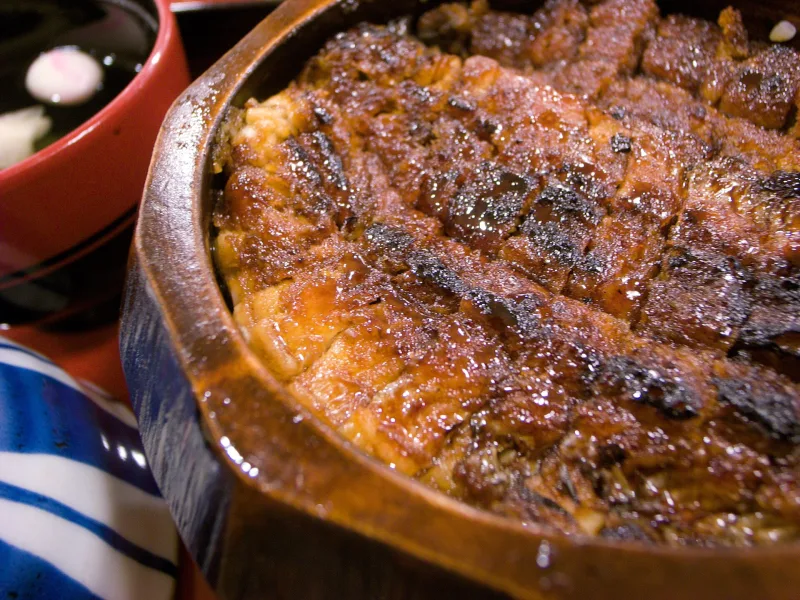
Hitsumabushi is unagi no kabayaki (eel grilled with a sweet and savoury sauce), chopped into small pieces and laid over rice in an ohitsu (a wooden rice tub). It's a speciality of Nagoya in Aichi Prefecture and counts as one of the "Nagoya meshi" (distinctive dishes long loved in and around Nagoya), alongside miso katsu and tebasaki (chicken wings).
The name is usually explained as coming from "mabusu" (mixing) eel into the rice in the "hitsu" (rice tub), though there are other theories. You serve yourself, scooping rice from the tub into your own bowl.
Three tastes in one: the basics
The great thing about hitsumabushi is that the way you eat it changes in stages. The basic method, as introduced by Nagoya's tourism website and others, goes like this. For the first bowl, eat it as it is and enjoy the taste of the eel and rice. For the second, add condiments such as spring onion, wasabi and shredded nori. For the third, add condiments and pour over dashi (Japanese soup stock) or tea, and slurp it down like ochazuke (rice in broth or tea).
One of the restaurants regarded as its birthplace suggests dividing the rice in the tub into four with a cross cut of the rice paddle and eating the last quarter in whichever of the three ways you liked best. There are no rules, so feel free to enjoy it however you like, using the restaurant's menu or instructions as a guide.
Who started it? An unclear origin
There are several theories about how hitsumabushi began, and nobody knows for sure. Atsuta Horaiken, founded in 1873 (Meiji 6) in Atsuta Ward, Nagoya, says it began around the end of the Meiji era, when eel rice served in a large tub was dished out by nakai (waitresses) in the restaurant's tatami rooms. On the other hand, another long-established restaurant in central Nagoya says it dates from the Taisho era, and there is a story that a similar way of eating existed long ago in Tsu, Mie Prefecture.
"Hitsumabushi" is in fact a registered trademark of Atsuta Horaiken, but many eel restaurants now use it as the name of the dish.
Aichi eel and a rich sauce
Aichi Prefecture farms a lot of eel. According to the Umami Information Center, its production is second in Japan after Kagoshima Prefecture, and eel from Isshiki in the Mikawa area is particularly well known. The eel for hitsumabushi is described as being grilled straight away, without steaming.
According to Nagoya's tourism website, Aichi uses a rich sauce based on tamari (a type of dark soy sauce), so the flavour of the grilled eel comes through clearly even when you pour dashi over it ochazuke-style.
Where and how to eat it
For the real thing, go to Nagoya. Nagoya's tourist information presents it as a "luxurious Nagoya meshi" that you should try at least once when you visit. You can eat it around Nagoya Station and in Atsuta Ward, home of long-established restaurants, among other places.
For those with dietary restrictions: the star of hitsumabushi is eel (a fish), and the sauce uses soy sauce and other seasonings. The dashi poured over the third bowl is usually made from kombu (kelp) and katsuobushi (dried bonito, a fish). If you need to avoid any ingredients, check with the restaurant.
Tips
- Eat the first bowl with nothing added. Save the condiments and dashi for the second and third bowls so you can really taste how it changes.
- Divide the rice in the ohitsu into quarters with the rice paddle first, and it's easier to pace yourself to the end.
- For the last quarter, we suggest going back to whichever way you liked best.
- Many restaurants leave a card explaining how to eat it, so have a read if you're unsure.
- This dish uses eel and fish-based dashi, so it's not suitable if you avoid fish.