Japan is Nippon
Jingisukan (Genghis Khan Lamb Barbecue)
Lamb and vegetables grilled together on a domed iron pan: Hokkaido's local favourite, why it bears a Mongol hero's name, and its surprising start in wool.
A local dish of Hokkaido
You will mostly find it in this area, rarely elsewhere in Japan.
- HokkaidoLocal dish selected as a Hokkaido Heritage; marinated "ajitsuke" style dominates inland central Hokkaido such as Takikawa, dip-after "atozuke" style in coastal and urban areas such as Sapporo and Tsukisamu
What is jingisukan?
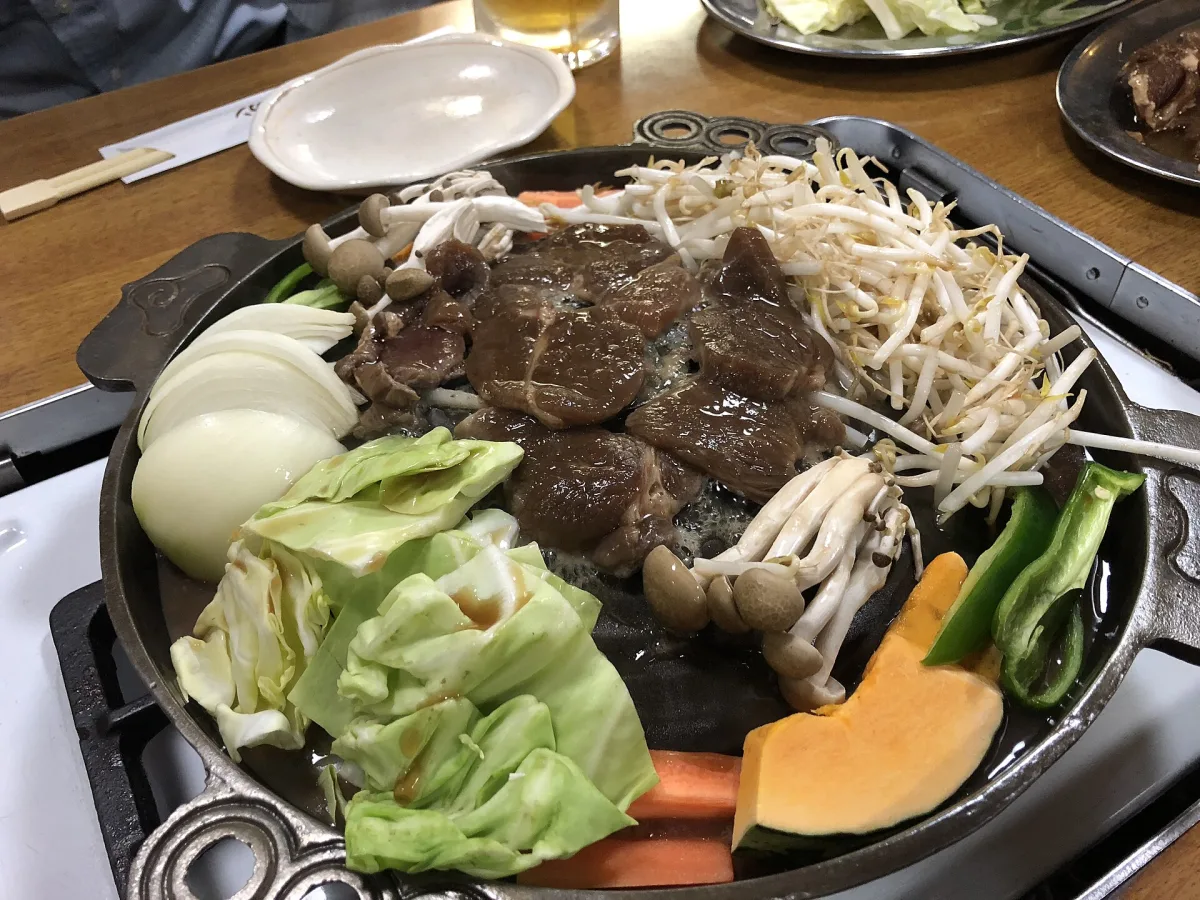
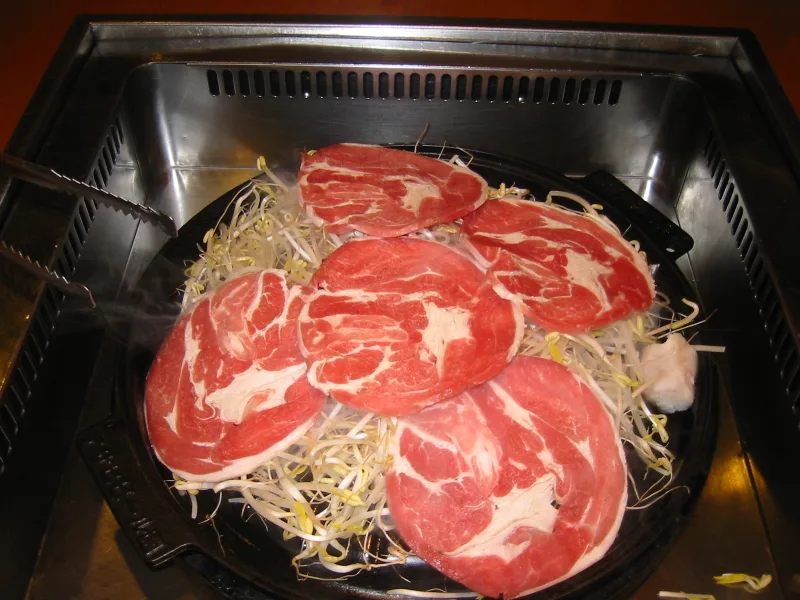
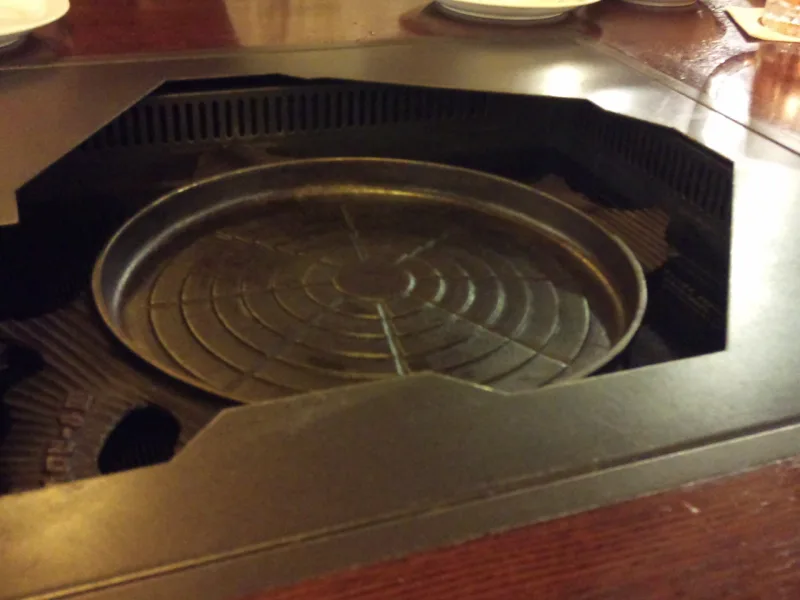
Jingisukan is a Hokkaido local dish of mutton or lamb and vegetables grilled on a special iron pan. The pan rises in the centre like a kabuto (samurai helmet), and its surface is cut with grooves. You grill the meat on the raised centre and put vegetables in the lower area around it; the juices from the meat run down the grooves and soak into the vegetables.
Two kinds of sheep meat are used: lamb, from sheep under a year old, and mutton, from sheep two years or older. Lamb has less of the characteristic sheep smell and is tender, while mutton has a bit more of a distinctive taste but is well marbled and full-flavoured. The vegetables grilled alongside vary by household and restaurant: onions, bean sprouts, green peppers, pumpkin and so on.
In 2004 it was chosen as a Hokkaido Heritage, a selection of Hokkaido's treasures to be passed on to the next generation, and in 2007 it was also named one of the "100 Best Local Dishes of Farming, Mountain and Fishing Villages" organised by Japan's Ministry of Agriculture, Forestry and Fisheries.
Ajitsuke or atozuke: two ways to eat it, even within Hokkaido
There are two main ways to eat jingisukan. In ajitsuke ("pre-seasoned"), the meat is marinated beforehand in a sauce, often soy-sauce-based, and then grilled. In atozuke ("seasoned after"), unseasoned meat is grilled and then dipped in sauce from a separate dish.
According to the Ministry of Agriculture, Forestry and Fisheries, ajitsuke is said to be the norm in inland central Hokkaido, such as the city of Takikawa, while atozuke dominates in coastal and urban areas such as Sapporo and Tsukisamu (a district of Sapporo). That said, Sapporo's tourist information says you can enjoy both types there, depending on the restaurant or maker.
After grilling, people sometimes add udon to the sauce that has pooled round the edge of the pan and simmer it as a finishing dish. Some restaurants use ramen instead.
Where the name comes from, and a history that began with wool
In kanji, jingisukan is written 成吉思汗, the same characters used for Genghis Khan, founder of the Mongol Empire. The name is said to come from Genghis Khan having grilled mutton and vegetables to feed his soldiers in battle, but this is a legend, and the dish is said to be quite different from actual Mongolian cuisine. Apparently some Mongolian people are not happy about their hero's name being used for a dish.
Sheep farming really took off in Japan in the Taisho era. During the First World War it became hard to import wool, so raising sheep for wool was encouraged as national policy. Sheep farming grew in Hokkaido too, and people are said to have started eating mutton around this time. After the Second World War, imported wool and synthetic fibres spread and the price of Japanese wool fell, so Hokkaido began raising sheep for meat, and jingisukan is said to have taken root as a dish to get people eating more mutton.
There are several theories about the dish's origins. One says it was devised in the early Showa era, based on a Chinese grilled mutton dish, for Japanese people who had no habit of eating mutton. Another says it was sparked by Japanese people who went to Manchuria (north-east China) in the Taisho era and saw local mutton dishes. It is said to have spread to ordinary households only some time after the war.
Jingisukan in everyday Hokkaido life
In Hokkaido, jingisukan is less a special treat than an everyday meal. Many homes have a dedicated jingisukan pan, and supermarkets sell mutton, lamb and sauces for home use. Home-improvement stores in Sapporo even sell disposable jingisukan pans.
When family and friends get together, for cherry-blossom viewing in spring or a barbecue in summer, they sometimes hold a "jingisukan party", grilling it outdoors. 29 April is "Jingisukan Day", a pun on the date: 4 and 29 can be read "yo" and "niku", echoing yoniku, the word for sheep meat. Sapporo holds the Hokkaido Jingisukan Festival every year.
Outside Hokkaido, jingisukan is also popular in places such as Tono in Iwate Prefecture and parts of Nagano Prefecture. In Tono, people use the "jingisukan bucket": a special bucket with holes in it, filled with fuel and used outdoors as a stand for the pan.
Where to eat it, and how
Jingisukan is now known all over Japan, but its home is Hokkaido. There are many well-known jingisukan restaurants across Hokkaido, and lots of tourists visit them. Sapporo has everything from long-established places to new-style restaurants, and Hokkaido is also home to Takikawa, known as the heartland of ajitsuke jingisukan. Much of the meat is imported from New Zealand and Australia, but some restaurants serve Hokkaido-raised Suffolk (a breed of sheep raised for meat).
The basics of grilling: spread fat (or oil) over the whole pan to stop things sticking, then put the meat on the central dome and the vegetables round the edge. Be careful not to overcook the meat, as it gets tough. With atozuke, dip the grilled meat in the sauce and eat.
For readers with dietary restrictions: jingisukan is a mutton and lamb dish, and the sauces used are mostly soy-sauce-based. If there are ingredients you are concerned about, check with the restaurant.
Tips
- On the menu, "ajitsuke" means meat marinated in sauce; anything else is meat you grill and then dip in sauce. If you cannot tell which, ask the staff.
- If it is your first time and you are wary of the smell of mutton, start with lamb, which has a milder flavour.
- Put the meat on the dome in the middle of the pan and the vegetables round the edge. Meat gets tough if overcooked, so eat it soon after it changes colour.
- To finish, simmer udon noodles in the sauce left round the edge of the pan.
- If you visit Hokkaido in spring, take a peek at the local custom of combining cherry-blossom viewing with jingisukan.