Japan is Nippon
Miso Katsu (Nagoya Miso Pork Cutlet)
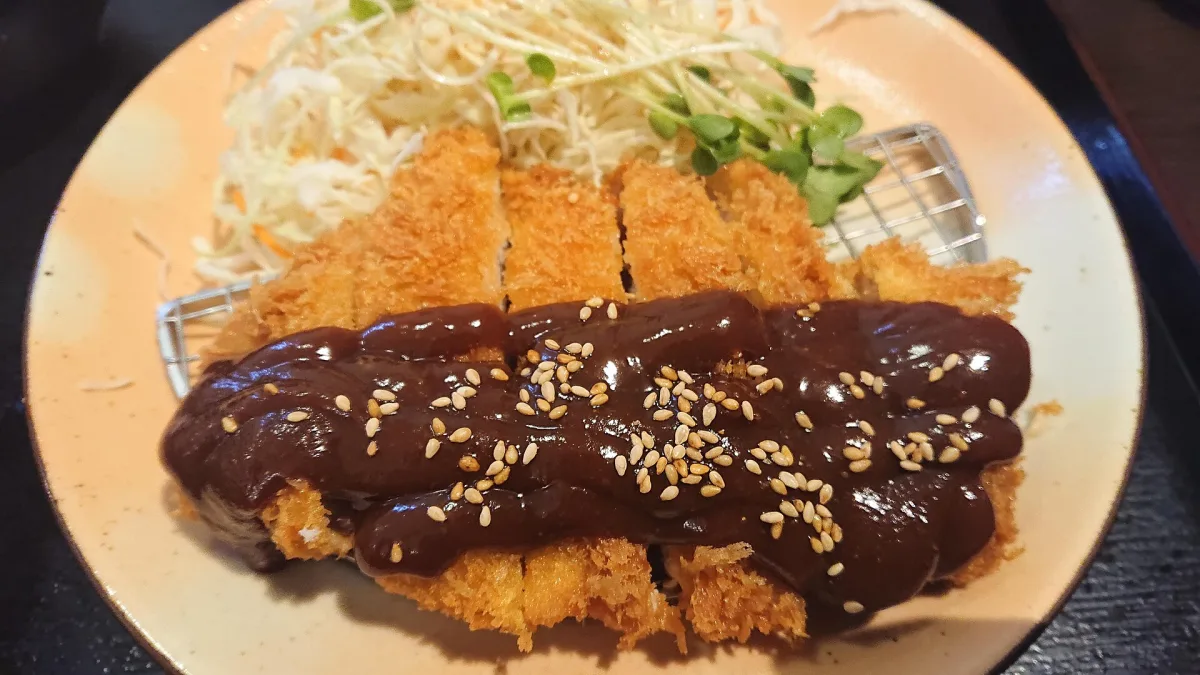
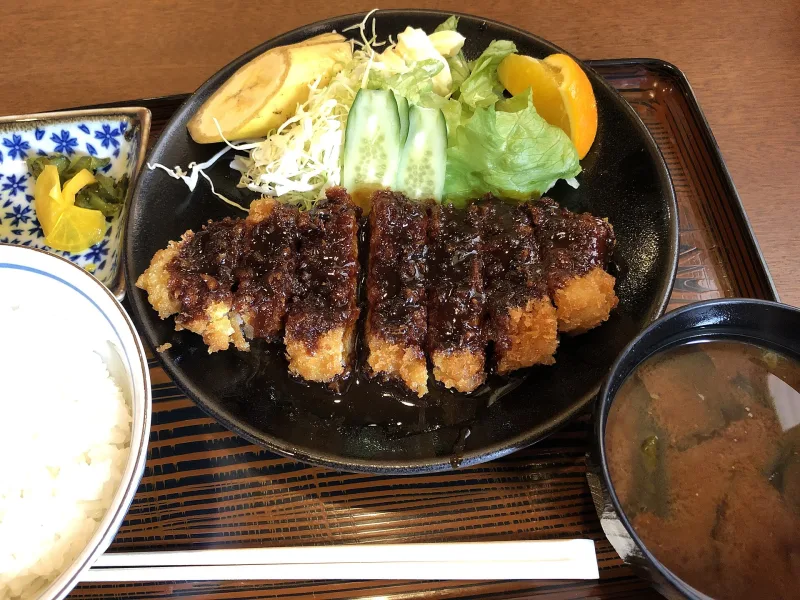
Freshly fried tonkatsu under a dark, sweet-savoury miso sauce. The secret of this Nagoya classic is a special miso made almost only in the Tokai region.
A local dish of Aichi and Gifu and Mie
You will mostly find it in this area, rarely elsewhere in Japan.
- AichiSignature Nagoya meshi, centred on Nagoya City and eaten everywhere from tonkatsu restaurants to cafés and izakaya; also home to Okazaki, where Hatcho miso is made
- GifuShares the mame miso culture; Gifu City has a restaurant founded in 1957 that calls itself the original, and many people eat tonkatsu with miso
- MieThe Tsu City Tourism Association introduces a miso katsu it says was born at a Western-style restaurant in the city in 1965
What is miso katsu?
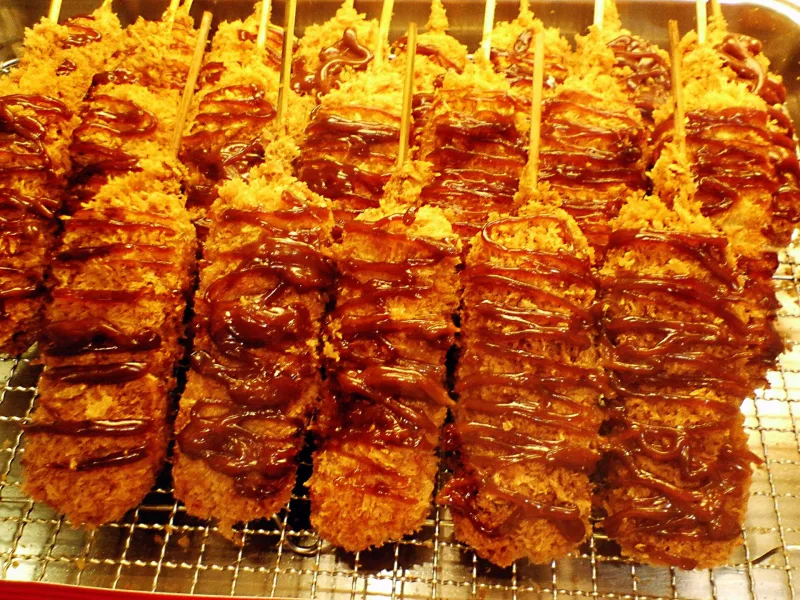
Miso katsu is tonkatsu (breaded, deep-fried pork cutlet) topped with a sweet-savoury sauce based on mame miso (soya bean miso). It is one of the signature dishes of Nagoya meshi, the local specialities of the Nagoya area, and kushikatsu (skewered, deep-fried cutlets) with miso sauce also count as miso katsu.
The miso is not used straight but blended with other seasonings into a sauce, so the flavour differs from place to place. According to the City of Nagoya's official tourism website, restaurants broadly fall into two styles: those that pour the sauce over the cutlet, and those that dip the cutlet into a pot of sauce. Some Western-style restaurants serve the sauce on a separate small dish.
The star: the Tokai region's mame miso
What defines the taste of miso katsu is a type of miso called mame miso. It is made only from soya beans, salt and water and aged by traditional methods for a year, or in some cases 2 to 3 years. It is dark in colour and generally also called akamiso (red miso). The best-known brand is Hatcho miso from Okazaki.
According to Japan's Ministry of Agriculture, Forestry and Fisheries, miso easily turns sour in the hot, humid summers of the Tokai region, so a distinctive method developed of growing koji mould (a mould used to ferment miso and soy sauce) directly on the soya beans. Mame miso is almost entirely made and eaten in the three Tokai prefectures of Aichi, Gifu and Mie. Its flavour holds up well even when simmered and it goes well with meat and fried food, so a dish pairing it with tonkatsu is thought to have arisen naturally.
Where did it start? An unclear beginning
No conclusive record has been found of when or where miso katsu was born. The best-known theory is that it began after the Second World War at food stalls in Nagoya, where customers dipped their kushikatsu into a pot of doteni (pork or beef offal stewed in mame miso), but this too is no more than a story passed down.
There are restaurants outside Nagoya that are called its birthplace, too. The Tsu City Tourism Association in Mie Prefecture says miso katsu was born at a Western-style restaurant in Tsu in 1965. Gifu City also has a restaurant, founded in 1957, that calls itself the original. Meanwhile, several restaurants in Nagoya are said to have served miso katsu since just after the war. According to research by a writer who knows Nagoya food well, none of these restaurants claims to be the one and only birthplace, and the natural view is that it was a dish several cooks in mame miso country came up with independently.
Where to eat it, and how
Its home is Nagoya, Aichi Prefecture, and the surrounding area. In Nagoya you can eat miso katsu not only at specialist tonkatsu restaurants but also at set-meal diners, cafés, izakaya and delis, and it is said that almost anywhere serving tonkatsu will let you choose "miso" or "sauce". Miso-sauce kushikatsu is a standard at izakaya too.
Next door in Gifu Prefecture, which shares the mame miso culture, miso katsu is completely ordinary. According to the owner of a long-established restaurant in Gifu City, fewer than one in ten customers there eat it with sauce. The miso katsu at the Western-style restaurant in Tsu, Mie Prefecture, has a thin, gravy-like sauce loosened with bouillon, a different experience from Nagoya's thick, rich sauce.
Besides the cutlet on its own, you will often see miso katsu don, served on a bowl of rice. For readers with dietary restrictions: miso katsu is a pork dish, and the breadcrumb coating uses wheat flour. Some restaurants add bonito stock to the sauce, so if you have concerns, check before ordering.
Tips
- At tonkatsu restaurants in Nagoya you may be asked whether you want "miso" or "sauce" when you order. While you are there, go for miso.
- Each place serves it differently: sauce poured over, cutlets dipped in a pot of sauce, or sauce on a separate dish. Try a few places and you will soon notice the differences.
- At izakaya, kushikatsu (skewered cutlets) with miso sauce, ordered one at a time, are an easy way in.
- If you like the taste of Nagoya's mame miso, try other Nagoya meshi dishes that use the same miso, such as miso nikomi udon and doteni.
- If you want to avoid pork or fish stock, check the ingredients before ordering.