Japan is Nippon
Shabu-Shabu
Paper-thin meat swished through hot broth and dipped in sesame sauce or ponzu. Its name came from the sound of hand towels being rinsed in an Osaka restaurant.
Eaten all over Japan
Best known in Osaka and Toyama and Hokkaido and Saga.
- OsakaIn 1952 a beef restaurant in Kitashinchi, Osaka, named the dish shabu-shabu and put it on the menu
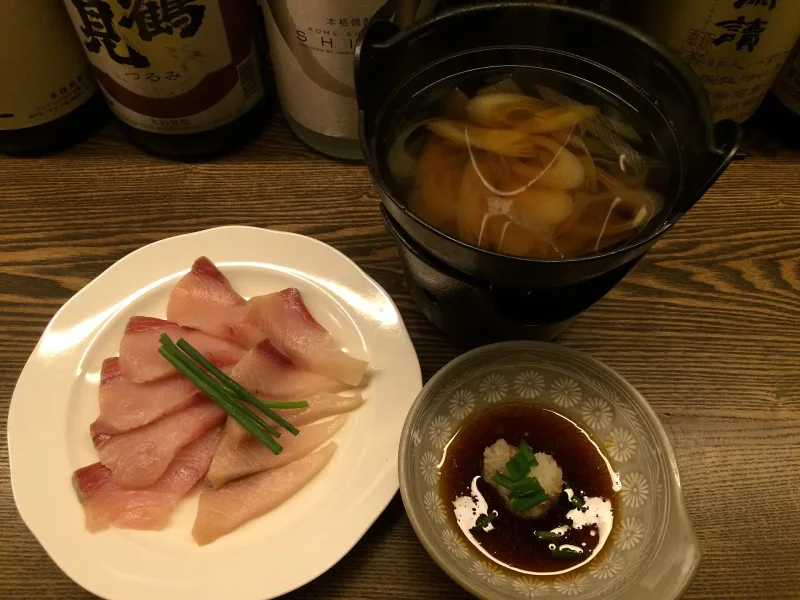
- ToyamaBuri-shabu, made with winter yellowtail from Toyama Bay, served in local restaurants during the October-to-February fishing season
- HokkaidoOctopus shabu-shabu, a Wakkanai speciality: thin slices of local giant Pacific octopus swished through broth
- SagaTea shabu-shabu from the tea town of Ureshino, with Ureshino tea added to the broth
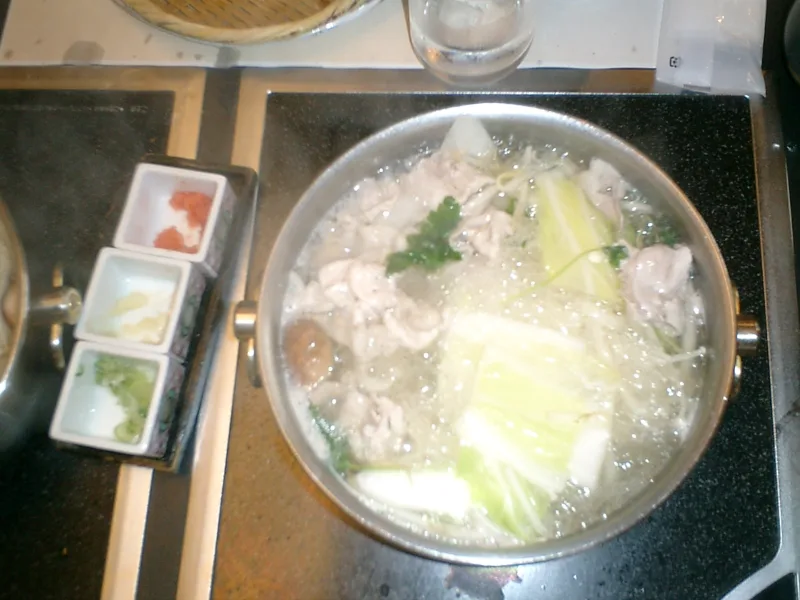
What is shabu-shabu?
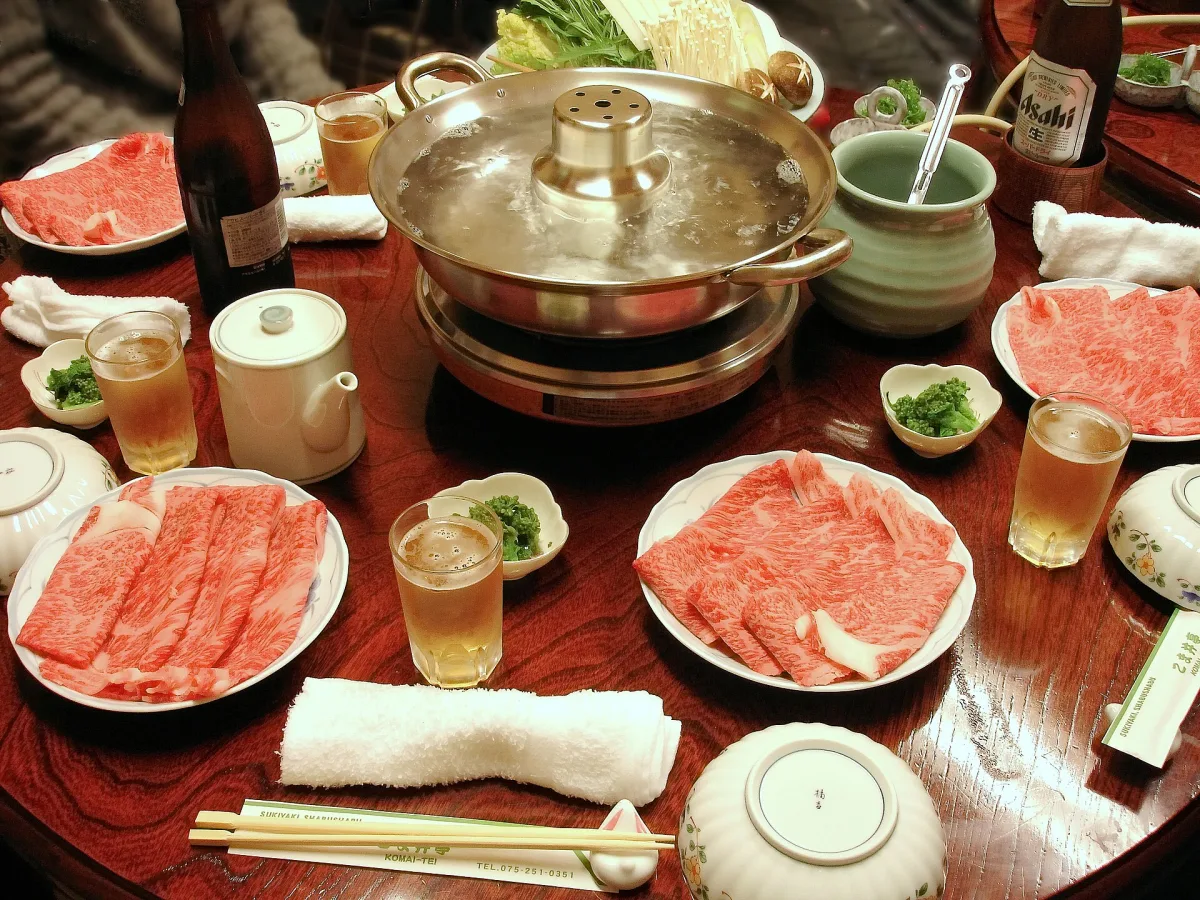
Shabu-shabu is a hotpot dish. A pot of water or dashi (Japanese soup stock, often made from kombu kelp) simmers on the table, you swish thinly sliced meat through it a few times until it's cooked, then dip it into a small bowl of sauce. There are usually two sauces: gomadare, made from ground sesame seeds, and ponzu, citrus juice mixed with soy sauce and other seasonings. Vegetables and tofu go into the pot too.
Plain "shabu-shabu" means beef, but buta-shabu, made with pork, is also widely eaten. The traditional shabu-shabu pot has a chimney-like funnel rising from the middle. Originally the pot was heated with charcoal placed in its base, and the chimney let the fumes out.
Named after the sound of rinsing hand towels
The name shabu-shabu was dreamt up by the then president of a beef restaurant in Kitashinchi, Osaka. According to the restaurant, he wanted to improve Japanese people's physique and stamina with a meat dish that was lighter than beefsteak or sukiyaki but still full of good-quality protein. He spent two years developing a beef hotpot eaten with a fragrant sesame sauce, and launched it in 1952.
The trouble was finding a good name. One day, while he was still puzzling over it, he heard the "jabu-jabu" sound of a nakai-san (a waitress in a Japanese restaurant) rinsing oshibori hand towels in water in the kitchen, and that gave him the idea for "shabu-shabu". It's said that when he announced the launch at the morning staff meeting, the employees laughed at the unfamiliar name. The restaurant registered a trademark including the name "shabu-shabu" in 1958.
As for the dish's roots, the restaurant explains that it began with the copper pot used for shuan yang rou, a Chinese mutton hotpot of the same swishing style, brought back by someone returning from former Manchuria (north-east China). There is also a story that a Kyoto restaurant created a beef hotpot after the war based on the same mutton dish, so there are several theories about where the dish itself came from.
Kansai's "mizutaki" culture and ponzu
It may be no coincidence that shabu-shabu was born in Kansai (the Osaka-Kyoto region). According to the Kansai-Osaka 21st Century Association, Kansai has a deep-rooted culture of "chiri", or mizutaki: ingredients simmered in unseasoned water or dashi and eaten with ponzu, as in tecchiri (pufferfish hotpot). Until fairly recently, the Kinki area (greater Kansai) is said to have consumed 2.5 times as much ponzu as the Tokyo area. Another factor often given is that kombu kelp from Hokkaido has been shipped to Osaka since the Edo period, so a style of cooking grew up there that uses kombu dashi to bring out the flavour of the ingredients.
In Kameyama, Mie Prefecture, a restaurant founded in 1935, before shabu-shabu existed, still serves the "meat mizutaki" it created with pufferfish hotpot as its inspiration. Slices of Matsusaka beef, thicker than for shabu-shabu, are simmered with vegetables in kombu dashi. It's a different dish from shabu-shabu, but as another hotpot where meat is cooked in dashi and eaten with a sauce, it's fun to try the two side by side.
Yellowtail, octopus and tea: shabu-shabu around Japan
In Toyama Prefecture, buri-shabu, thin slices of winter yellowtail (kan-buri) caught in Toyama Bay swished through broth, appears in restaurants across the prefecture during the fishing season from October to February. Only the surface cooks, leaving the inside rare, and just the right amount of fat melts away. Yellowtail landed at Himi fishing port is particularly prized.
In Wakkanai, Hokkaido, the local speciality is tako-shabu: thin slices of the area's giant Pacific octopus (mizudako) swished through broth. It began a little over 30 years ago, when local people set out to create a signature dish using octopus.
Ureshino in Saga Prefecture is one of Japan's leading tea-growing areas. Its cha-shabu (tea shabu-shabu) adds local Ureshino tea to the broth, which takes away any meaty smell, keeps the dish light and leaves a faint aroma of tea.
Where and how to eat it
You can eat shabu-shabu at specialist restaurants and Japanese restaurants all over the country. Pick up one slice of meat with your chopsticks, swish it a few times through the simmering broth, lift it out once it's cooked and dip it in the sauce. As the name suggests, a quick swish is the whole idea.
For those with dietary restrictions: shabu-shabu is made with beef or pork, gomadare contains sesame, and ponzu contains soy sauce among other things. If you're allergic to sesame or want to avoid beef or pork, check with the restaurant before you order.
Tips
- Hold the meat with your chopsticks and swish it through the broth a few times so it cooks in moments.
- If you're given both sesame sauce and ponzu, try one with the meat and the other with the vegetables, and enjoy the difference.
- Visiting Toyama in winter? Try buri-shabu, made with winter yellowtail. Wakkanai has octopus shabu-shabu and Ureshino has tea shabu-shabu, so look out for each area's own ingredients.
- If you're allergic to sesame, skip the sesame sauce and check the sauce ingredients with the restaurant.
Sources
- 永楽町スエヒロ本店「しゃぶしゃぶ60周年」 (opens in a new tab)
- MBSコラム「意外と知られていない!『しゃぶしゃぶ』命名の由来は台所のあの音」 (opens in a new tab)
- 農林水産省 うちの郷土料理「ぶりしゃぶ 富山県」 (opens in a new tab)
- 稚内市「WAKKANAI GUIDE BOOK」p.33-34(タコしゃぶ) (opens in a new tab)
- 嬉野市「うれしの自慢の逸品」p.16-17(茶しゃぶ) (opens in a new tab)
- 関西・大阪21世紀協会「大阪鍋物語:関西の鍋に『ポン酢』は欠かせない」 (opens in a new tab)
- 観光三重「美味し国三重の味 伊勢亀山名物『元祖肉の水炊き処”むかい”』」 (opens in a new tab)
- Wikipedia「しゃぶしゃぶ」(たれの種類、豚しゃぶ、京都の発祥説の補足として参照) (opens in a new tab)