Why Japan? Everyday Japan, explained
Why are there no trash cans? Why do trains apologise for a one-minute delay? The answers, with history and practical tips.
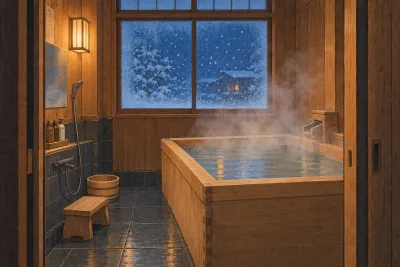
Why Do Japanese People Take a Bath Every Night?
A Japanese bath isn't a place to get clean but a place to warm up and reset after the day. That is also why it happens at night.
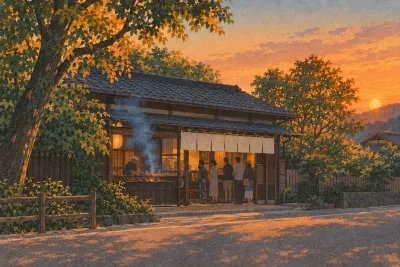
Why Do Japanese People Eat Eel in the Middle of Summer?
Eating eel on the summer Day of the Ox grew out of a 1,300-year-old poem, an Edo-era advertising legend and the fight against summer fatigue.
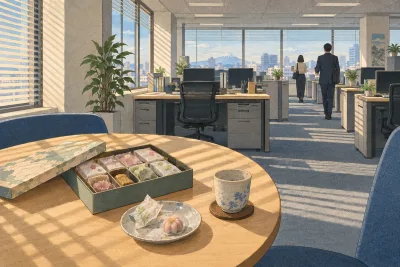
Why Do Japanese People Bring Souvenirs Back for Their Coworkers?
Those little sweets on your desk after someone's holiday go back to Edo-period pilgrimages to Ise and thanking the people who covered for you.
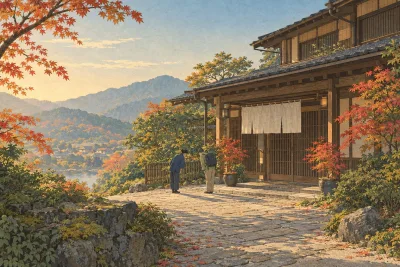
Why Do Japanese People Bow, and How Low Should You Go?
A bow does greeting, thanks and apology in one movement. As a traveller, a simple light nod of the upper body is enough to get your feelings across.
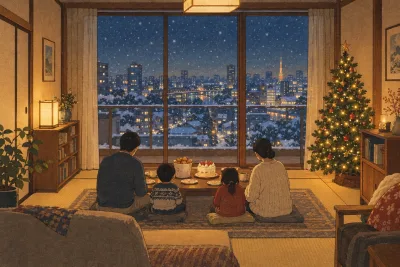
Why Do Japanese Families Eat KFC at Christmas?
It began with an advertising campaign in 1974. Fried chicken slotted neatly into a Japanese Christmas that had no set way of celebrating.
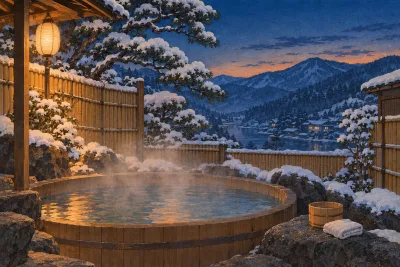
Why Can Tattoos Keep You Out of Some Hot Springs in Japan?
It is not against the law. A history linking tattoos with organised crime still shapes the rules at some baths, and here is how to navigate them.
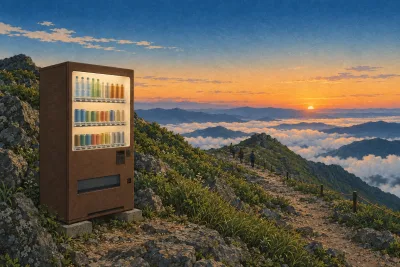
Why Are There Vending Machines Everywhere in Japan, Even on Mountains?
Safety, the 100-yen coin, hot-and-cold machines and a "just lend the space and power" model. Mount Fuji's summit machine goes up by bulldozer each summer.
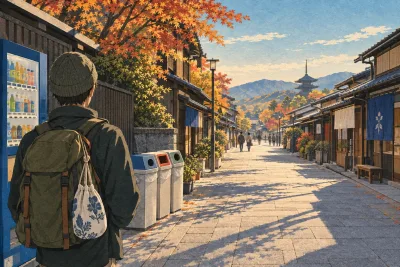
Why Are There Almost No Trash Cans on Japan's Streets?
"Because of the sarin attack" is only part of it. The real reasons Japan's bins disappeared, and tips for carrying your rubbish as you travel.
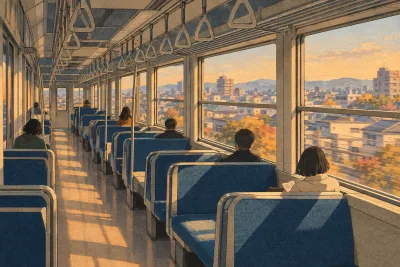
Why Are Japanese Trains So Quiet?
Talking is not banned, yet the carriages are strikingly quiet. The reasons: years of rail company requests and an unspoken distance kept between strangers.
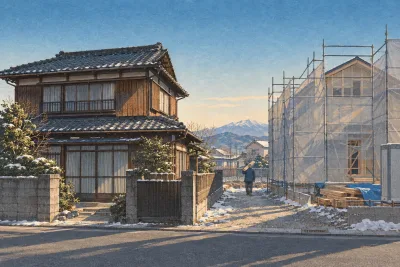
Why Are Japanese Houses Rebuilt Instead of Renovated?
A wooden house over 20 years old is often treated as having a building worth zero. Earthquakes, building codes and an unusual used-home market explain why.
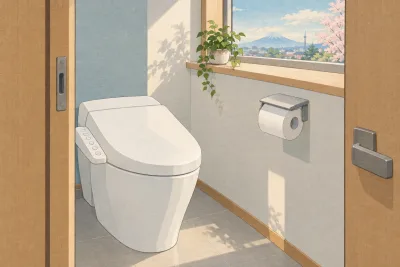
What Do All the Buttons on a Japanese Toilet Do?
Rear wash, bidet, dryer, privacy sound and the call button: how to read the symbols on a Japanese toilet panel, plus tips for using one without panic.
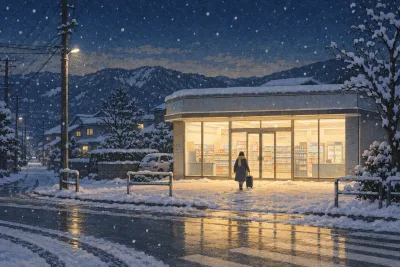
What Can You Actually Do at a Japanese Convenience Store?
Withdraw cash, send luggage to the airport, pay bills, get official certificates: a Japanese konbini is a mini town hall, post office and bank in one.