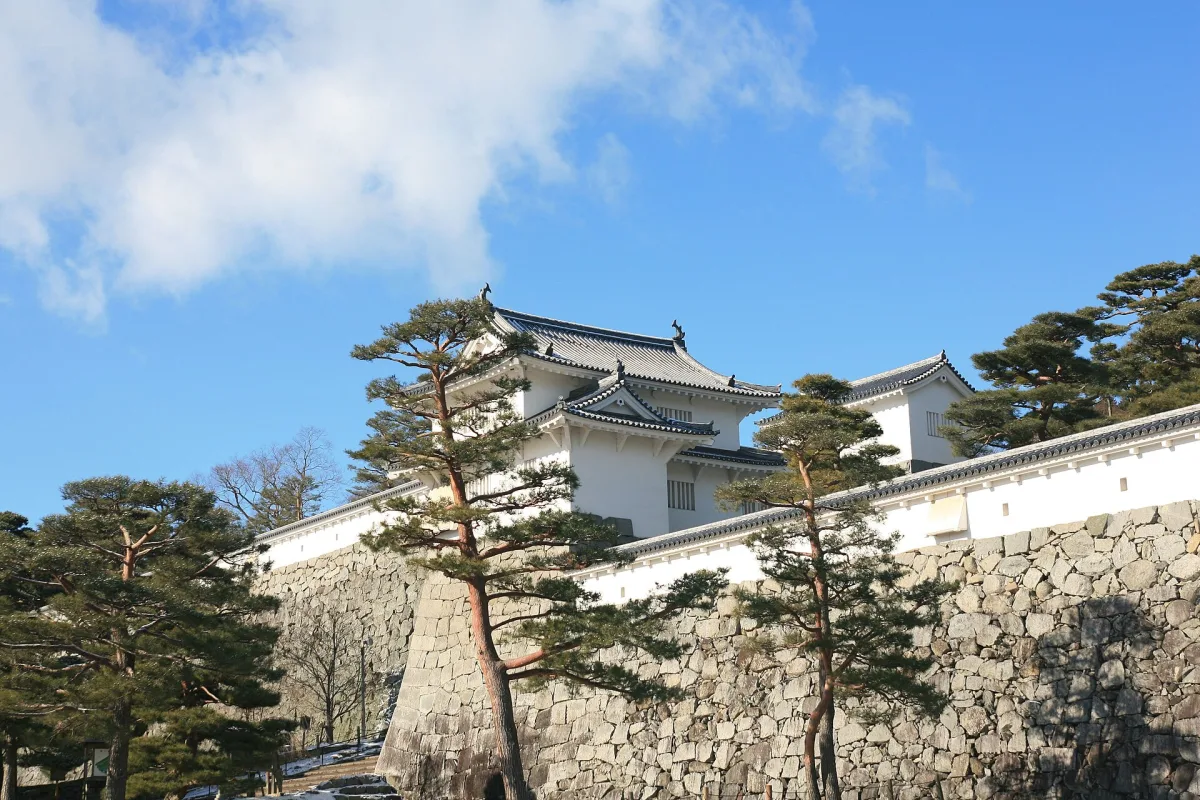
Kasumigajo Park (Nihonmatsu Castle Ruins)
福島二本松市霞ヶ城公園
Nihonmatsu Castle ruins in Fukushima: some 2,500 cherry trees in spring, chrysanthemum figures and autumn leaves, and the story of its boy soldiers.
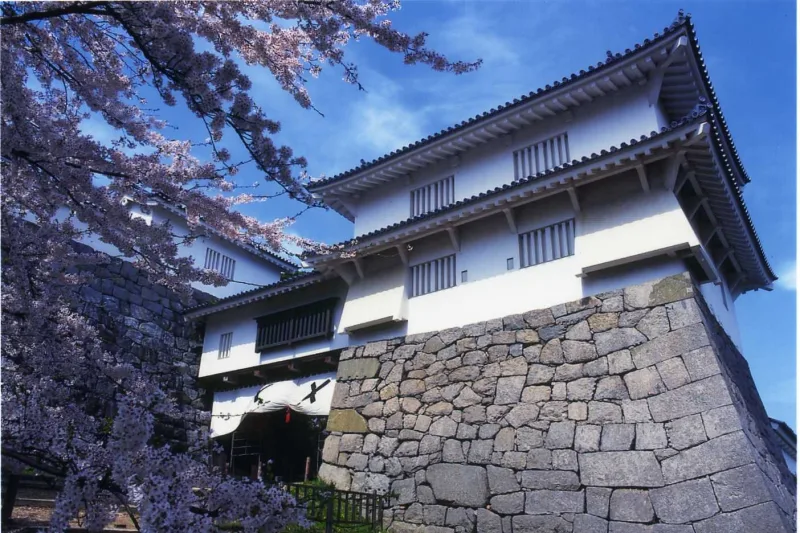
A castle veiled in cherry blossom
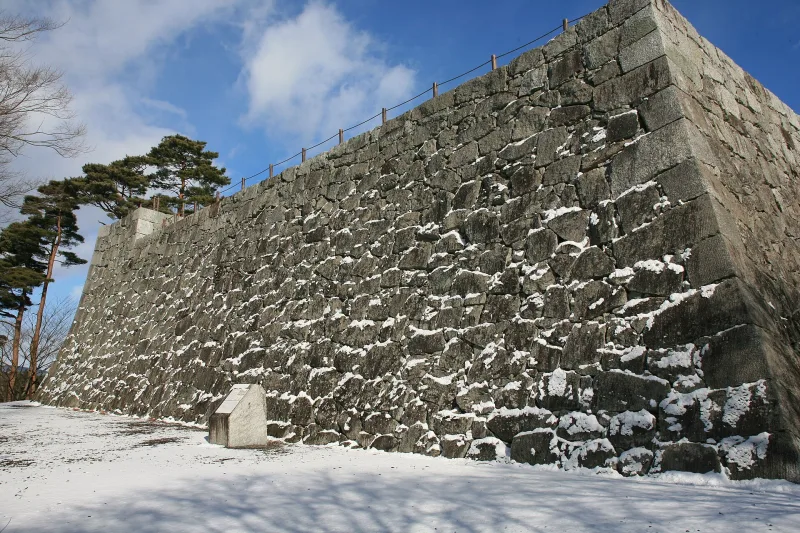
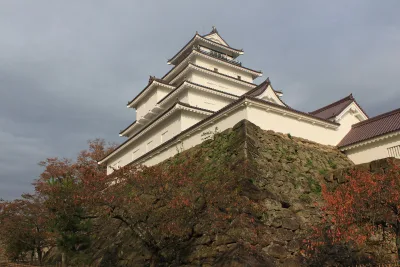
Kasumigajo Park is a prefectural park laid out on the ruins of Nihonmatsu Castle in Nihonmatsu, Fukushima Prefecture. The castle is also known as Kasumigajo, the "Castle of Mist", because in spring cherry blossoms cover the whole site like a veil of haze. The ruins are a national Historic Site and one of the "100 Fine Castles of Japan".
The castle is said to have been built in 1414, in the Muromachi period, by Hatakeyama Mitsuyasu, and was later held by the Date, Gamo and Uesugi clans, among others. In 1643 Niwa Mitsushige, the first lord of the Nihonmatsu domain, moved in and developed it into an Edo-period castle. The Niwa family ruled here until the Boshin War.
The Boshin War and the Nihonmatsu Boys' Brigade
In the Boshin War of 1868 (a civil war between supporters of the old shogunate and the new government's army), Nihonmatsu Castle was attacked by government forces and fell after a single day of fighting. Among its defenders was the Nihonmatsu Shonentai, a unit made up of teenage boys. Their story is still told alongside that of the Byakkotai, the young samurai of Aizu.
A statue in the park honours the boys. The castle's gates and buildings were lost in the fighting, but in 1982 the Minowa Gate was rebuilt in wood.
Highlights through the seasons
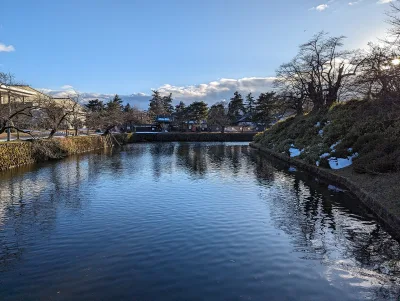
From early to mid-April, around 2,500 cherry trees, including Somei-yoshino and wild mountain cherries, come into bloom, and the park has been named one of Japan's "Top 100 Cherry Blossom Spots". From late April to mid-May, donated wisteria blooms beside Kasumigaike Pond.
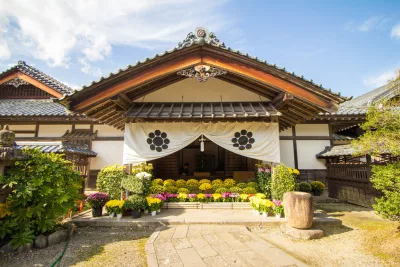
In autumn the park hosts the Nihonmatsu Chrysanthemum Doll Festival, a seasonal event displaying kiku-ningyo (life-size figures dressed in real chrysanthemum flowers). In 2026 it will be the 70th festival, running from 10 October to 23 November. From early to mid-November the autumn leaves are lit up at night, and the coloured trees are reflected in the pond.
The castle site also still has the Hikage Well, about 16 m deep, which is said to date back to the Hatakeyama era.
Getting there
It is about a 20-minute walk from JR Nihonmatsu Station. By car it is about 5 minutes from the Nihonmatsu Interchange on the Tohoku Expressway, and there is a car park. Visiting the castle ruins is free.
Tips
- It gets busy in cherry blossom season and during the chrysanthemum doll festival. Check Nihonmatsu City's tourist information for the festival's dates and fees.
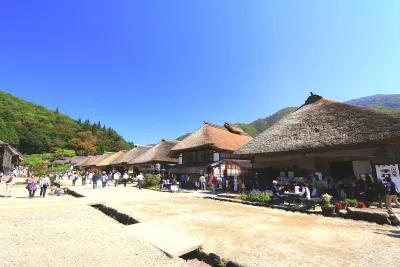
- Combine your visit with Tsurugajo Castle in Aizuwakamatsu and the sites linked to the Byakkotai, and Fukushima's Boshin War history will come to life in far more depth.
Sources
- 県立霞ヶ城公園(国指定史跡 二本松城跡)|ふくしまの旅(福島県観光物産交流協会)
- 第70回 二本松の菊人形|ふくしまの旅
- 【日本100名城®】福島県・二本松城|nippon.com
- 二本松城 - Wikipedia
Updated 30 September 2026. Opening hours and prices change, so check the official site before you go.


.jpg)