Aizu Bukeyashiki (Samurai Residence)
会津武家屋敷
A rebuilt Aizu clan elder's mansion in Aizu-Wakamatsu. Walk through 38 rooms to glimpse samurai family life, and tragedy, at the end of the shogun era.
Bringing the mansion of Saigo Tanomo back to life
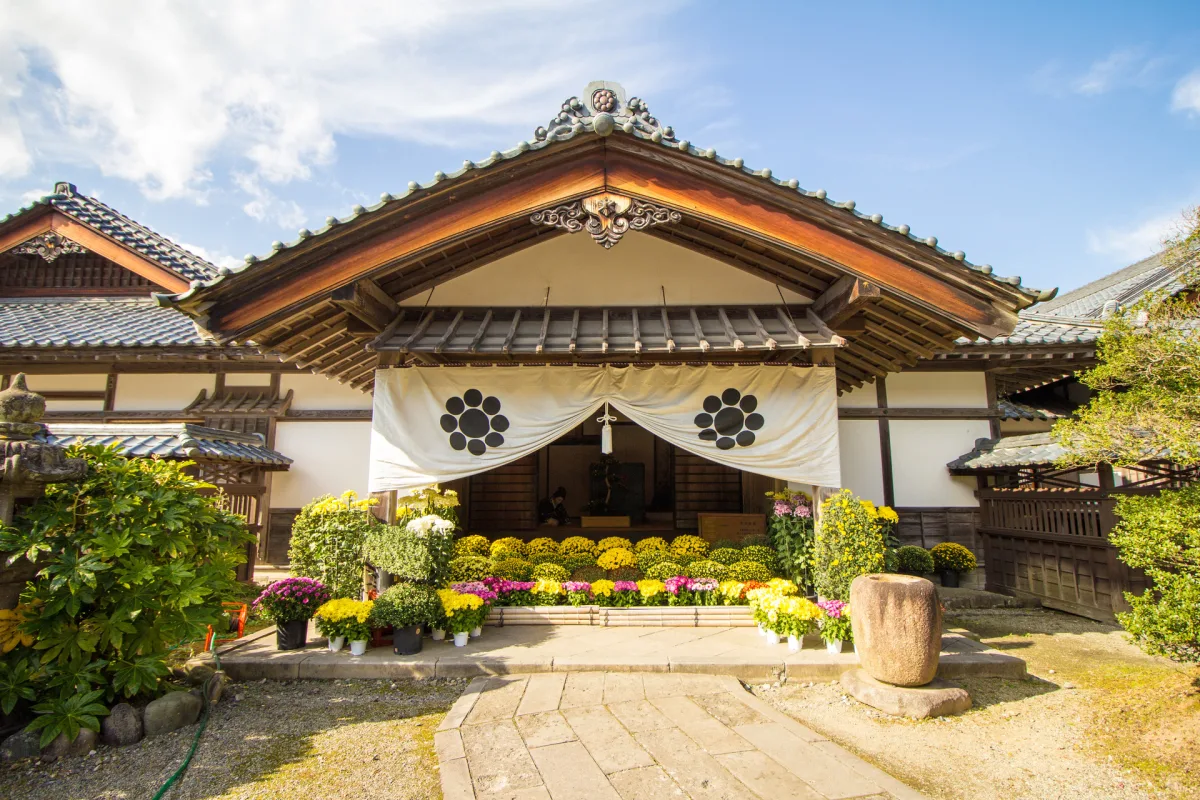
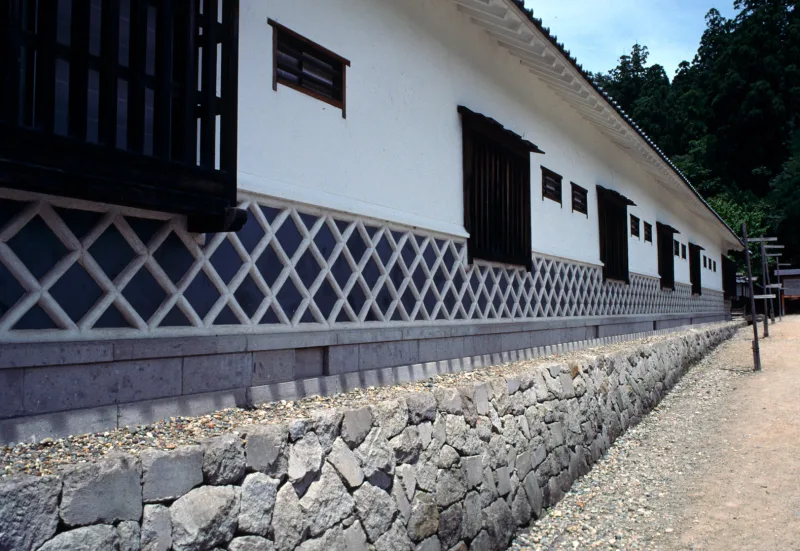
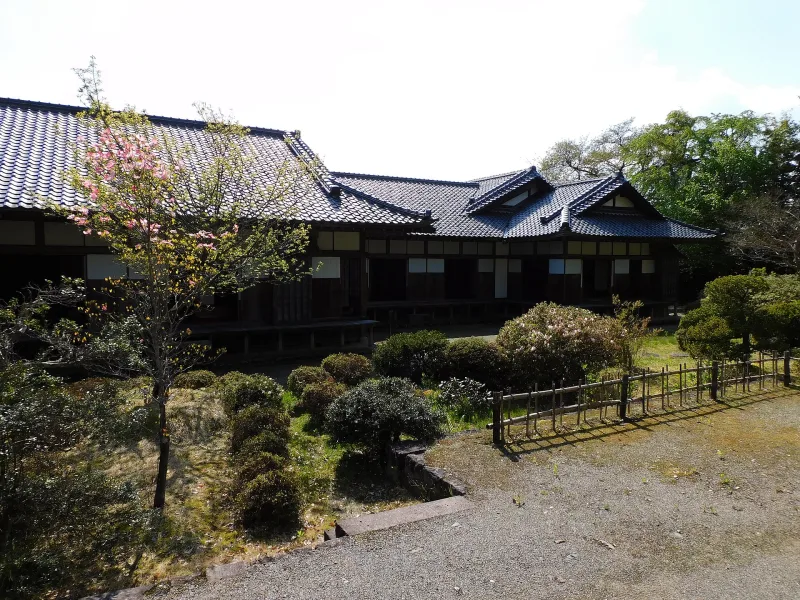
Aizu Bukeyashiki is a history museum in Higashiyama, Aizu-Wakamatsu city, Fukushima Prefecture. Its grounds cover about 7,000 tsubo (about 2.3 hectares), and at their heart is the mansion of Saigo Tanomo, a karo (a chief retainer, one of the highest-ranking vassals who ran the domain's government) of the Aizu domain. Around it stand an administrator's office, a tea house, a museum and more.
The original Saigo residence burned down in the Boshin War, the civil war between the old shogunate side and the new government's forces that began in 1868. A plan of the mansion drawn from above was found, and after careful historical research the karo's residence you see today was rebuilt in 1975. Made of zelkova, Japanese cypress and cedar, it has 38 rooms and no fewer than 328 tatami mats.
Samurai life in 38 rooms
The rooms of the mansion are divided by purpose: the Onari Goten, for receiving the lord of the domain and senior retainers; rooms where retainers worked and stood guard; the family's rooms; and rooms for maids and servants. Each room is furnished with armour and weapons, furniture and figures, so you can picture daily life at the time.
The house also holds a painful history. In 1868, on the day the new government's army closed in on Aizu's castle town, Tanomo left for the castle with his eldest son. Twenty-one members of his family who stayed behind in the house, his wife among them, took their own lives. It is said they did so resolved not to suffer humiliation at the hands of the enemy. It is an essential place for understanding what Aizu went through at the end of the shogun era.
A prefectural Important Cultural Property and hands-on activities
Some buildings on the site were moved here from elsewhere. The Former Nakahata Jinya, which a hatamoto (a direct retainer of the Tokugawa shogunate) used as a local magistrate's office, was brought from Yabuki town in Fukushima Prefecture and is a prefectural Important Cultural Property. The Aizu Kurashi Rekishikan (museum of Aizu life), housed in an Edo-period silk-farming farmhouse moved from Fukushima city, introduces how people in Aizu lived from ancient times to the Edo period.
In the hands-on corner you can paint Aizu's traditional folk toys, the akabeko (a red papier-mache cow) and the okiagari koboshi (a little self-righting doll), or try kyudo, Japanese archery (April to November). A free audio guide in Japanese, English and Chinese is available, and you can listen to it on your own smartphone.
Getting there and how long to allow
It is about 30 minutes from JR Aizu-Wakamatsu Station on the city's sightseeing loop bus. By car, it is about 15 minutes from the Aizu-Wakamatsu IC (interchange) on the Ban-etsu Expressway, and there is free parking.
According to the official website, allow about an hour just to look around. On the site there is also a restaurant serving Aizu's local dishes and a shop stocking crafts and local sake from Fukushima and Aizu, which you can use without paying to visit the museum. Opening hours change with the season, so check the official website.
Tips
- There is a free English audio guide, so the exhibits are easy to follow even if you cannot read Japanese.
- Painting an akabeko takes about 30 minutes, and you get to take home a one-of-a-kind Aizu souvenir.
- Archery is only available from April to November. If you visit in winter, choose an indoor activity such as painting instead.
Sources
Updated 29 September 2026. Opening hours and prices change, so check the official site before you go.
-m.jpg)

