Japan is Nippon
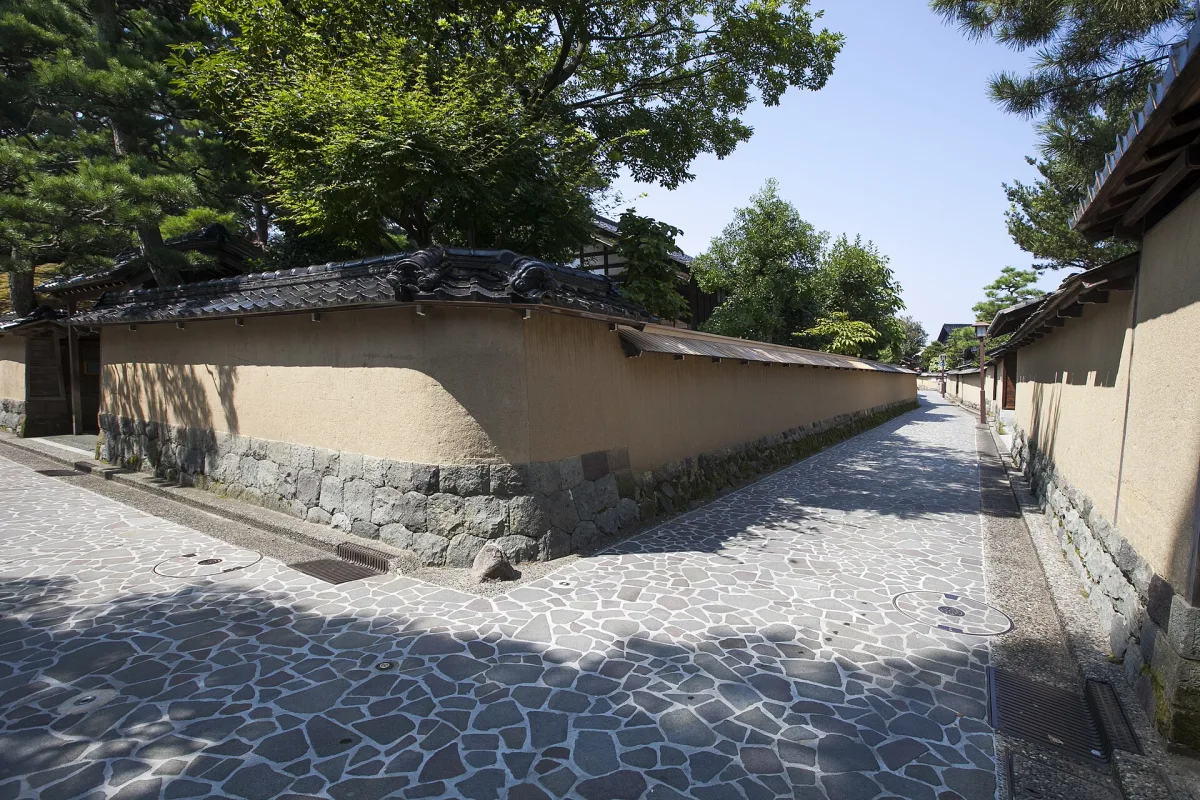
Nagamachi Samurai District
長町武家屋敷跡
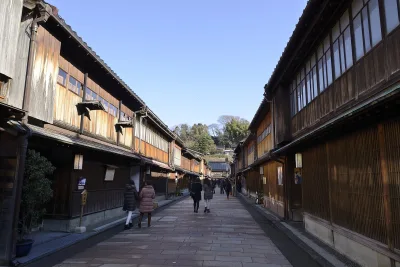
Right by Korinbo, Kanazawa's busy shopping area, lanes of earthen walls and paving stones where Kaga samurai lived. Follow the canal and feel the Edo-era castle town.
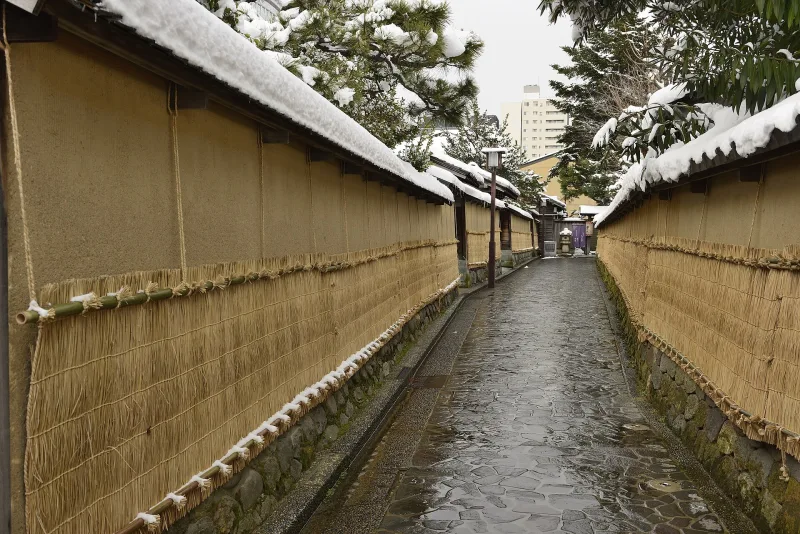
Where the Kaga domain's middle-ranking samurai lived
Nagamachi is the district where the houses of samurai from the Kaga domain stood in the Edo period (1603-1868). Kaga was a large domain ruled by the Maeda family, which governed Kanazawa. Most of the people who lived here were middle-ranking samurai, and today the narrow lanes of tsuchikabe (walls made of packed earth) and paving stones still follow the street layout of those days.
There are two stories behind the name: one says it is simply a town along a long street (naga means long), the other that the Cho family, senior retainers of the Maeda, had their residence here. This is not a museum but a residential area where people still live, and you cannot go inside most of the houses. The streetscape is protected as one of Kanazawa's traditional environment preservation areas and landscape districts.
Houses and museums you can go inside
The best-known house open to visitors is the Nomura Family Samurai House. It is famous for its garden as well as the building, and has been highly rated by an overseas magazine specialising in Japanese gardens.
At the Former Takada Family Residence you can see a restored nagayamon (a gate with quarters for retainers and a stable built into either side) and a strolling pond garden, designed to be viewed as you walk around the pond. The Kanazawa Ashigaru Museum is a relocated house of ashigaru (foot soldiers, the lowest rank of samurai) and shows their work and daily life. There is also the Nagamachi Yuzen-kan, which displays Kaga yuzen, the traditional dyed kimono of Kanazawa.
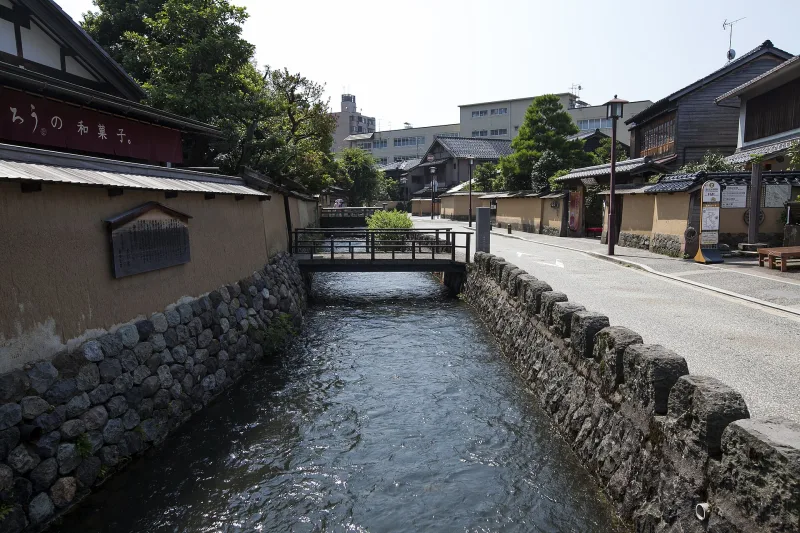
The Onosho canal and winter komokake
The Onosho canal, which runs beside the samurai houses, is said to be the oldest canal in Kanazawa. It is believed to have once been used to carry timber for building the castle, and the flowing water adds colour to the streetscape.
In winter the earthen walls are hung with woven straw mats to protect them from snow and frost, a practice called komokake. According to the Kanazawa tourism association, this runs roughly from early December to mid-March, and it is one of the best-known sights of winter in Kanazawa.
Getting there and getting around
Take a local bus from Kanazawa Station to the Korinbo bus stop (about 10 minutes), then walk for about five minutes. Depending on the route, you can also use a stop near Nagamachi Buke Yashiki Ato. The Kanazawa tourism association suggests allowing about an hour to walk around.
There is no dedicated car park and the lanes are narrow, so if you drive, leave the car at a nearby tourist car park and walk. Check the opening hours and prices of each facility on their official websites before you go.
Tips
- Along the way you will find the Nagamachi Samurai District Rest House, with a rest room, toilets and leaflets. Volunteer tourist guides known as "Maido-san" are based there and can show you around the area.
- This is a residential area where people still live. Do not step into the grounds or entrances of the houses, and keep quiet as you walk and take photos.
- If you visit during the winter komokake season, you will see the earthen walls covered in straw, a scene you can only see at that time of year.
Sources
- 長町武家屋敷跡界隈|観光・体験 - 金沢市観光協会 (opens in a new tab)
- はじめての長町武家屋敷跡観光 - 金沢市観光協会 (opens in a new tab)
- 長町武家屋敷跡界隈|【公式】石川県の観光サイト ほっと石川旅ねっと (opens in a new tab)
- 長町武家屋敷跡 - Wikipedia (opens in a new tab)
Updated 30 September 2026. Opening hours and prices change, so check the official site before you go.