Japan is Nippon
Takkoku no Iwaya Bishamondo
達谷窟毘沙門堂
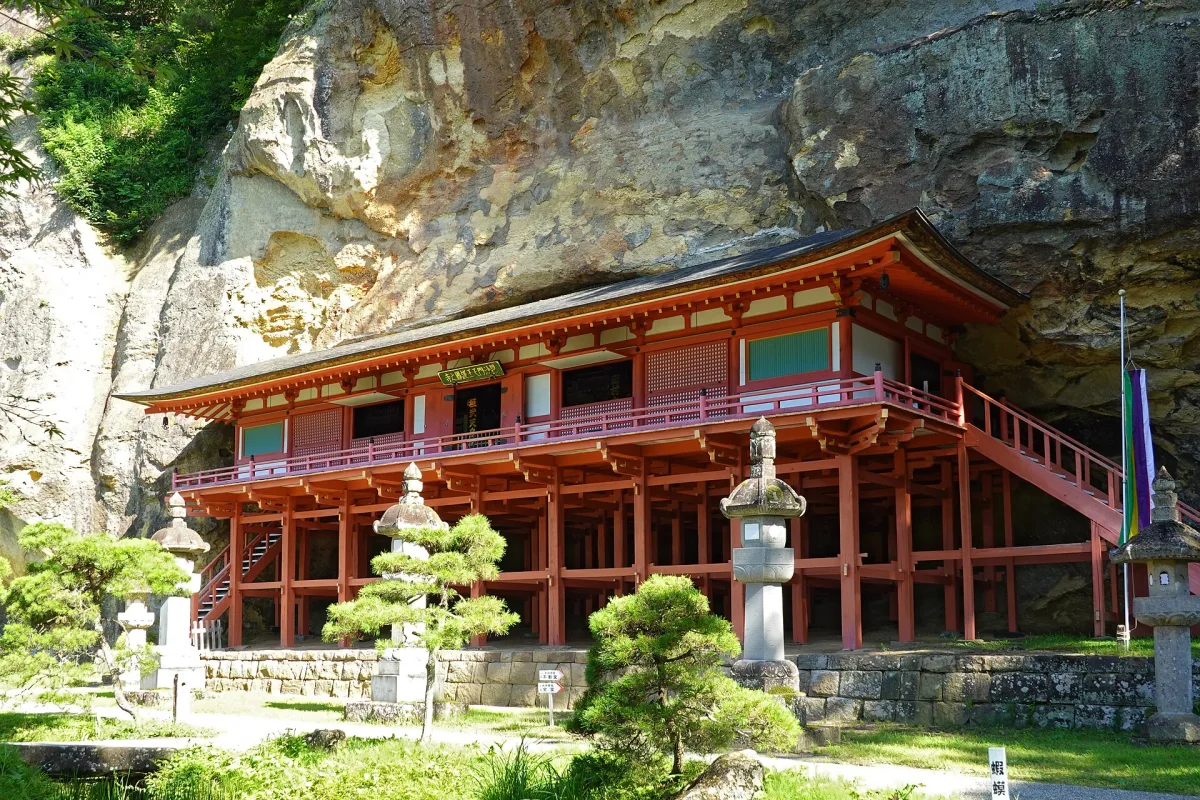
A hall clinging to a cave under a sheer cliff, 6 km southwest of central Hiraizumi, with a giant Buddha face carved in the rock and legends of ancient wars.
An Emishi stronghold and the legend of Sakanoue no Tamuramaro
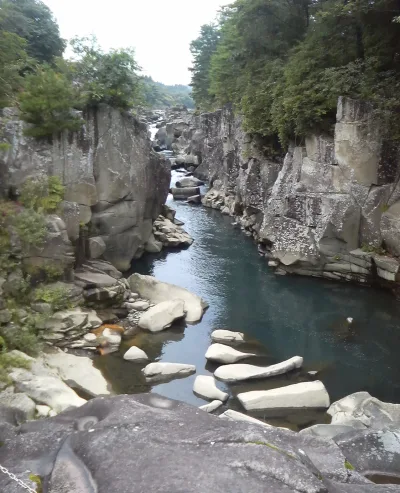
Takkoku no Iwaya is a cave in a valley about 6 km southwest of central Hiraizumi, home to the World Heritage temples Chusonji and Motsuji. In ancient times, the north-east of Japan was home to people the imperial court called the Emishi, who refused to submit to its rule. According to legend, their chieftain Akuro-o and his men used this cave as a fortress.
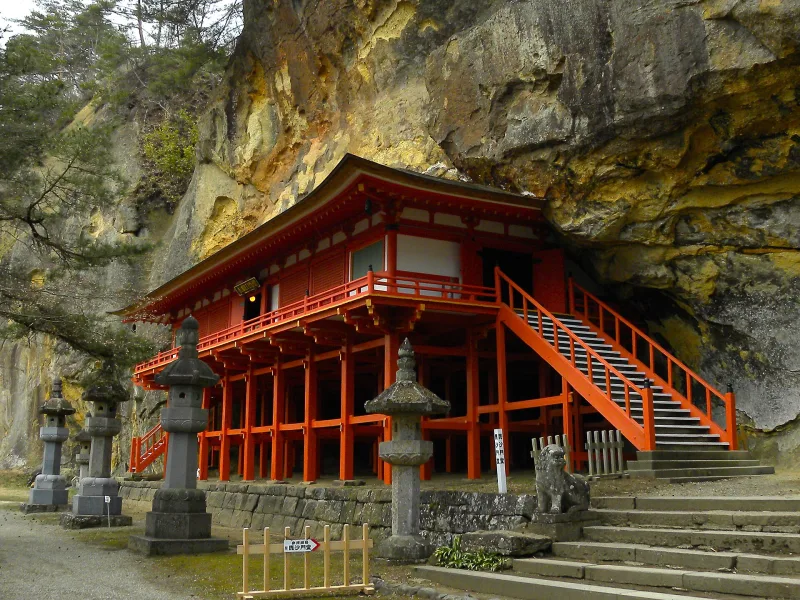
In 801, the general Sakanoue no Tamuramaro, sent by the court as seii taishogun ("great general who subdues the barbarians"), defeated the Emishi here. Believing he owed his victory to Bishamonten (the Buddhist guardian of the north and of warriors), he is said to have built a hall in the cave modelled on the famous stage of Kiyomizu-dera in Kyoto and enshrined 108 statues of Bishamonten there. The chronicle Azuma Kagami records that Minamoto no Yoritomo, founder of the Kamakura shogunate, also stopped here in 1189 on his way back from destroying the Oshu Fujiwara clan.
The cave hall and the Buddha in the cliff
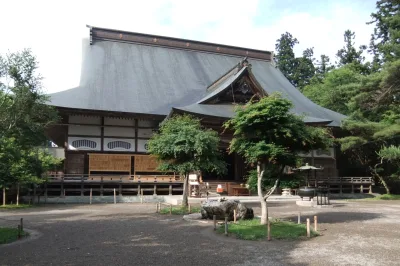
On the west side of the grounds rises a cliff about 150 m long and up to about 35 m high. In the cave at its foot stands the hall, built in kakezukuri style (raised on pillars against a cliff or slope) so that it seems to cling to the rock. The early Edo-period building burned down in 1946, and the present hall was rebuilt in 1961.
On the cliff just to the left of the hall is a large magaibutsu, a Buddha carved directly into the rock face, known as the Ganmen Daibutsu ("great Buddha of the rock face"). Its shoulders are about 9.9 m across, and it is said to have been carved by Minamoto no Yoshiie, a warrior of the Heian period, to comfort the spirits of those who died in battle on both sides. Everything below the chest collapsed in an earthquake in 1896, and today the face remains.
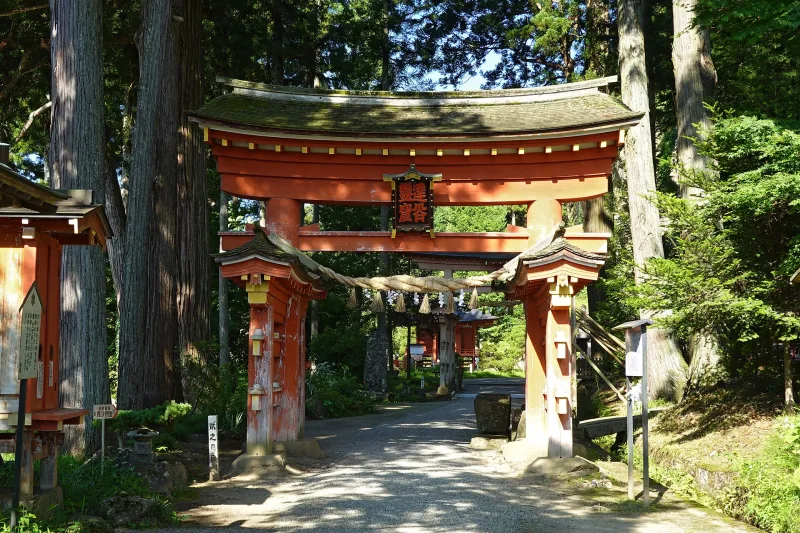
Takkoku no Iwaya is a national Historic Site. The three torii lined up on the approach are a reminder of the time before the Meiji era when gods and buddhas were worshipped together. The site is looked after by Takkoku Saikoji, its betto (the temple in charge of a place where gods and buddhas are worshipped).
Getting there
It is about 10 minutes by taxi from Hiraizumi Station on the JR Tohoku Main Line. By car, it is about 10 minutes from Ichinoseki IC or about 15 minutes from Hiraizumi-Maesawa IC on the Tohoku Expressway. Check visiting hours and the admission fee on site or in official information.
Tips
- The grounds are treated as sacred, so eating and drinking, picking plants or catching animals, and bringing dogs or cats are all forbidden.
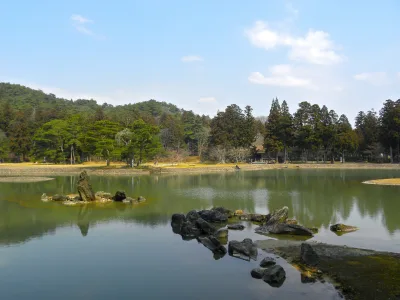
- In front of the hall is a pond with a small hall to Benten (a goddess of water and the arts) on its island. The pond is thought to date back to the time of the Oshu Fujiwara clan.
- The Ganmen Daibutsu is carved high up on the cliff, so look up from the left of the hall to find it.
Sources
- 達谷窟 | 文化遺産オンライン(文化庁) (opens in a new tab)
- 達谷窟毘沙門堂 | 旅東北(東北観光推進機構) (opens in a new tab)
- 達谷窟毘沙門堂 | ニッポン旅マガジン (opens in a new tab)
Updated 21 November 2026. Opening hours and prices change, so check the official site before you go.