Miyagi
Miyagi stretches from Pacific fishing towns and the pine-clad islands of Matsushima to rice plains, Sendai's castle history and the Zao mountains.
Map outlines: Natural Earth
-
1
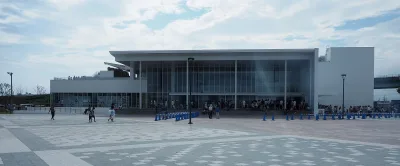 Sendai Umino-Mori Aquarium
An aquarium near Sendai Port with about 100 tanks, built around a huge tank recreating the Sanriku sea: 25,000 sardines, plus dolphin and sea lion shows.
Sendai Umino-Mori Aquarium
An aquarium near Sendai Port with about 100 tanks, built around a huge tank recreating the Sanriku sea: 25,000 sardines, plus dolphin and sea lion shows.
-
2
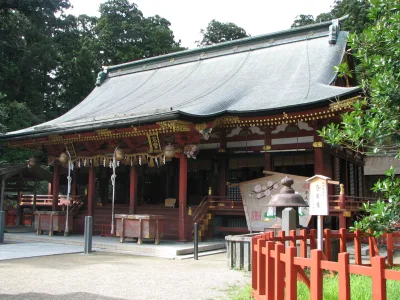 Shiogama Shrine
One of northern Japan's great old shrines, dedicated to a god said to have taught people to make salt. Climb 202 steps to vermilion Edo-period halls.
Shiogama Shrine
One of northern Japan's great old shrines, dedicated to a god said to have taught people to make salt. Climb 202 steps to vermilion Edo-period halls.
-
3
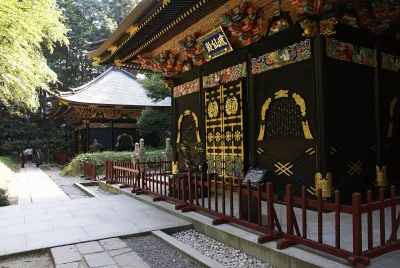 Zuihoden
The mausoleum of Date Masamune, the warlord who founded Sendai. Climb stone steps through cedars to gilded, richly coloured Momoyama-style halls.
Zuihoden
The mausoleum of Date Masamune, the warlord who founded Sendai. Climb stone steps through cedars to gilded, richly coloured Momoyama-style halls.
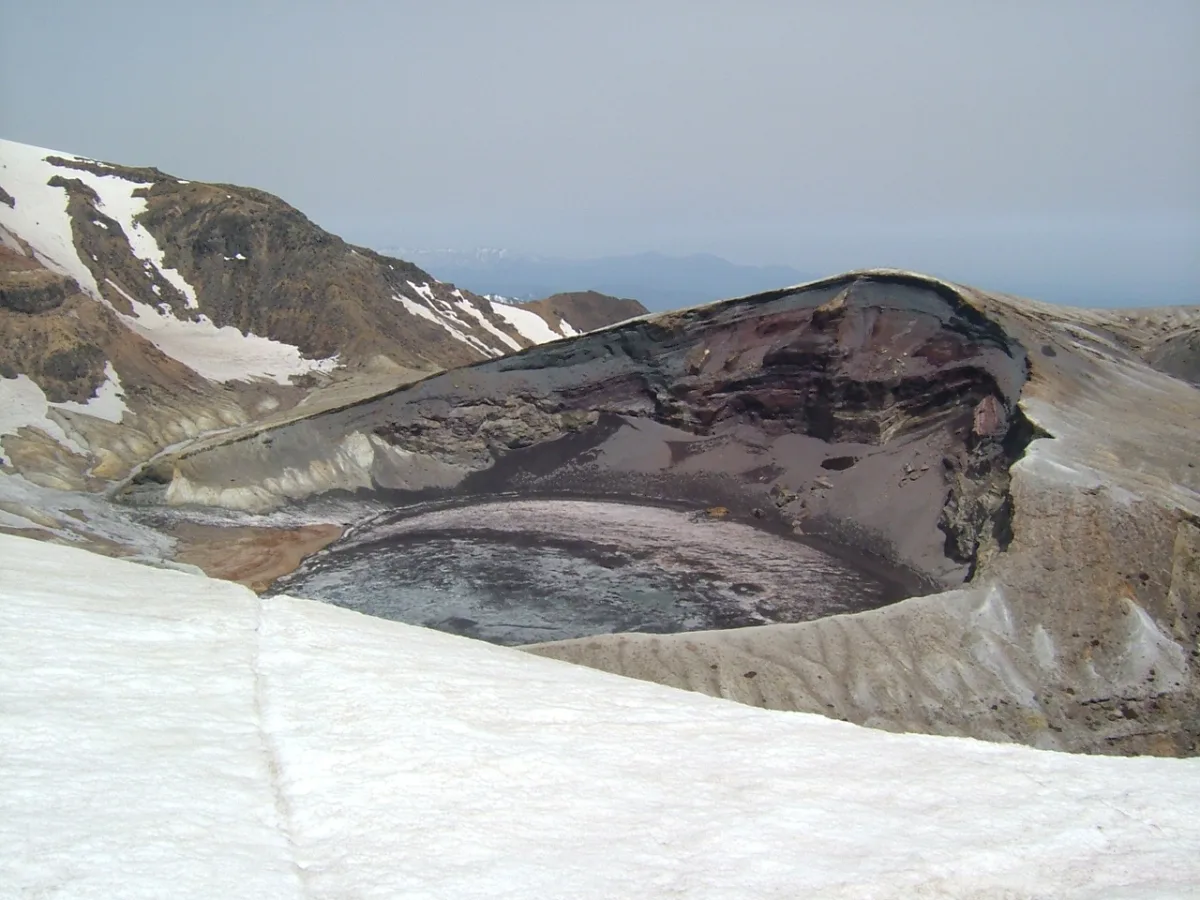

From Matsushima Bay to the western mountains
Miyagi is easiest to picture from east to west. The Pacific coast has fishing towns and seafood markets; inland, the Sendai Plain is rice country; and beyond it rise the Zao, Funagata and Kurikoma mountains. Sendai, the prefectural capital, sits roughly in the middle. You can spend one day looking out to sea and the next in mountain forest.
Matsushima Bay is dotted with more than 200 small, pine-covered islands. The bay has long been counted among the Nihon Sankei, Japan's three most celebrated views. On a sightseeing boat you can watch the islands change shape as you pass, and walking along the shore brings you close to temples and to Shiogama, the neighbouring port town. Further north, Miyagi's Sanriku coast has a different character, shaped by working harbours and fishing communities. Head west instead and Okama, the crater lake of Zao, along with the hot-spring villages below it, shows yet another side of the prefecture.
The Date legacy and a coast that remembers
Sendai's history is closely bound up with Date Masamune, the warlord who made the city his base in 1601. His projects included temples and shrines as well as irrigation and flood-control works that helped develop Miyagi's rice lands. At the site of Sendai Castle, a statue of Masamune keeps the ruler present today, and his helmet, with its crescent-moon crest on the front, is a familiar image here. Zuihoden, his mausoleum, shows the richly decorated side of his legacy.
You meet Masamune again at Zuiganji Temple in Matsushima. In the early 17th century he had the present buildings built as his family temple, near caves where people had practised meditation for centuries. Miyagi's recent history cannot be separated from the 2011 earthquake and tsunami, which devastated coastal communities. In Onagawa, a former police box has been preserved as a tsunami memorial. It is a place to pause and remember that this coast is somewhere people live, not just scenery.
Rice, seafood and a spoonful of green
Miyagi's table brings farmland and the Pacific together. Rice grown on the plains is paired with seafood landed at coastal ports, and tuna, salmon, Pacific saury and oysters are among the prefecture's signature catches. A kaisendon (seafood rice bowl) or sushi is an easy way to taste that connection. Sendai's best-known savoury speciality is gyutan: seasoned, grilled beef tongue. Another local product, sasakamaboko, is seasoned fish paste shaped like a bamboo leaf, served as it is or grilled.
For something sweet, try zunda: young soybeans (edamame) mashed and mixed with sugar and salt. The classic is zunda mochi, where the green paste is spooned over chewy rice cake. It is eaten in local homes and sold at wagashi (Japanese sweets) shops, and newer versions have appeared in drinks and other desserts. The food traditions here are not only about restaurant dishes. In autumn, neighbours and friends gather around imoni, a stew of taro and vegetables. Sendai's imoni usually uses pork and miso, giving these riverside gatherings a distinctly local flavour.
Paper streamers, wooden dolls and the turning year
In August, Sendai celebrates Tanabata, a star festival based on the story of two lovers who can meet only once a year. Long, colourful streamers hang in the shopping arcades in the city centre. It is an unmistakable city custom, but Miyagi's traditions also live on in small workshops. In Naruko, craftspeople make kokeshi: hand-painted wooden dolls that began as children's toys in the hot-spring towns of the Tohoku region. Naruko kokeshi are known for their chrysanthemum patterns, and visitors can watch the craftspeople at work.
The seasons bring a different rhythm to each of these places. In spring, cherry trees bloom along the Shiroishi River, where the Hitome Senbonzakura means 'a thousand cherry trees at a single glance'. In summer, people gather on the coast and in the festival streets of Sendai. In autumn, the Naruko Gorge turns red and gold, and imonikai (gatherings around a pot of imoni) draw people to the riverbanks. Winter by the water is quieter: oysters are in season, and snow settles on the trees of Zao. After a day out in the cold mountains, an onsen (natural hot-spring bath) feels especially welcome.
Using Sendai as your starting point
Most visitors come through Sendai. The Tohoku Shinkansen, one of Japan's high-speed rail lines, links Sendai with Tokyo, and Sendai Airport has domestic flights and a rail connection to the city. If you want to combine city history with the coast, Sendai makes a convenient base. Local trains run to the Matsushima area, and the Senseki Line stops at Matsushima-Kaigan Station, close to the bay and Zuiganji Temple.
For the mountains, you can take a train towards Zao and continue further in by bus. A stay centred on Sendai and Matsushima is easy on public transport alone. The deeper you go into rural Miyagi, however, the more useful a car becomes, especially if you want to link mountain villages with different points along the Sanriku coast. Rather than treating the whole prefecture as one short excursion, it is worth deciding which landscapes you actually want to spend time in.
Sources
- GUIDE FOR FOREIGNERS LIVING IN MIYAGI PREFECTURE - 宮城県公式ウェブサイト
- Matsushima Bay Cruise | VISIT MIYAGI
- Mt. Zao | VISIT MIYAGI
- History | VISIT MIYAGI
- Zuiganji Temple | VISIT MIYAGI
- Touring Miyagi's Coastal Culture | VISIT MIYAGI
- Food & Drink | VISIT MIYAGI
- Zunda | VISIT MIYAGI
- Autumn is Imoni-Kai Season in Tohoku!
- Sendai Tanabata Festival | VISIT MIYAGI
- Sakurai Kokeshi | VISIT MIYAGI
- Seasonal Experiences in Miyagi | VISIT MIYAGI
- みやぎの四季 - 宮城県公式ウェブサイト
- Miyagi | Tohoku | Destinations | Travel Japan - Japan National Tourism Organization (Official Site)
- Getting to & around Miyagi | VISIT MIYAGI