Mie
Mie runs from Ise Bay to the Kumano coast, bringing together pilgrim roads, fishing villages, mountain towns and the food all of them have shaped.
Map outlines: Natural Earth
-
1
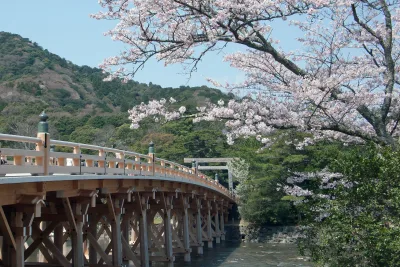 Ise Jingu Naiku (Inner Shrine)
Ise Jingu's Inner Shrine, sometimes called the spiritual home of the Japanese, honours sun goddess Amaterasu. Cross the Isuzu River and walk the forest path.
Ise Jingu Naiku (Inner Shrine)
Ise Jingu's Inner Shrine, sometimes called the spiritual home of the Japanese, honours sun goddess Amaterasu. Cross the Isuzu River and walk the forest path.
-
2
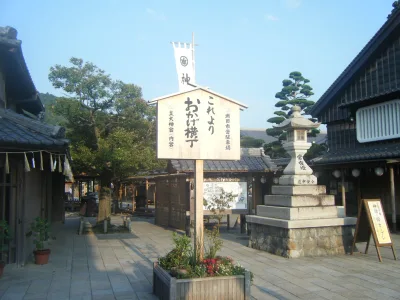 Okage Yokocho
A lane recreating the Edo-to-Meiji streets of Ise by the Inner Shrine. Snack on Ise udon and local sweets and soak up the mood of an old Ise pilgrimage.
Okage Yokocho
A lane recreating the Edo-to-Meiji streets of Ise by the Inner Shrine. Snack on Ise udon and local sweets and soak up the mood of an old Ise pilgrimage.
-
3
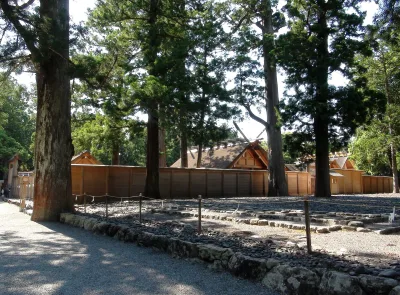 Ise Grand Shrine Geku (Toyouke Daijingu)
By custom, a visit to Ise Jingu begins here at the Geku, home of the god who prepares Amaterasu's meals, offered morning and evening for some 1,500 years.
Ise Grand Shrine Geku (Toyouke Daijingu)
By custom, a visit to Ise Jingu begins here at the Geku, home of the god who prepares Amaterasu's meals, offered morning and evening for some 1,500 years.
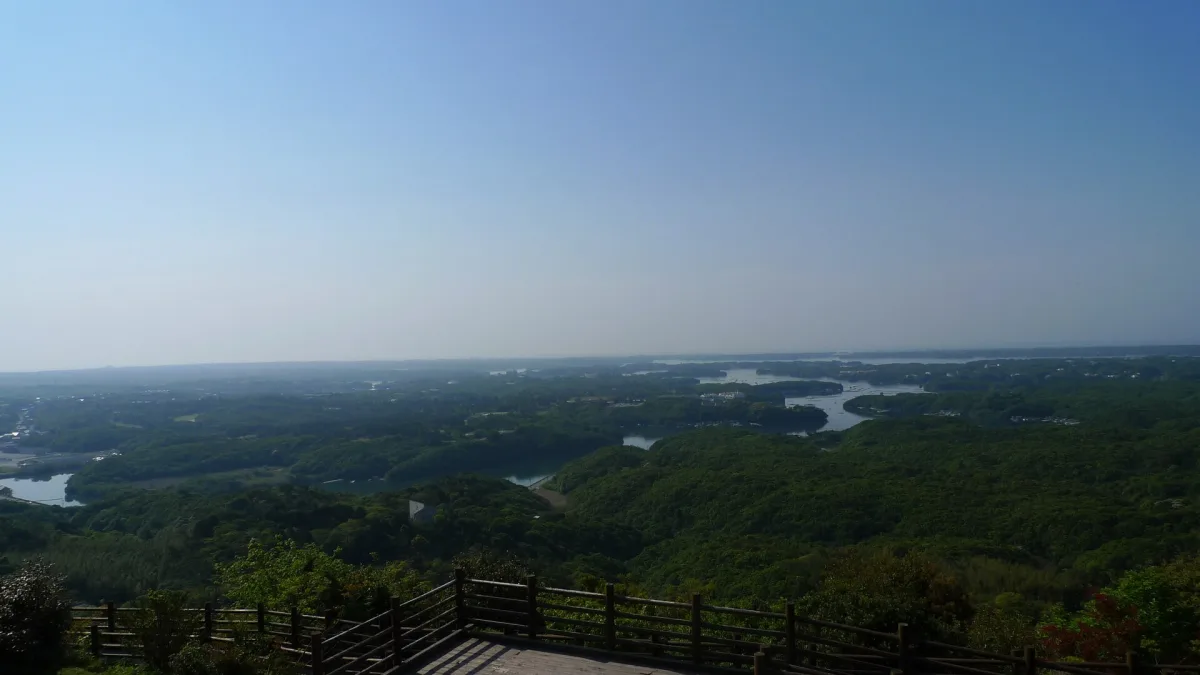



From Ise Bay to the Kii Mountains
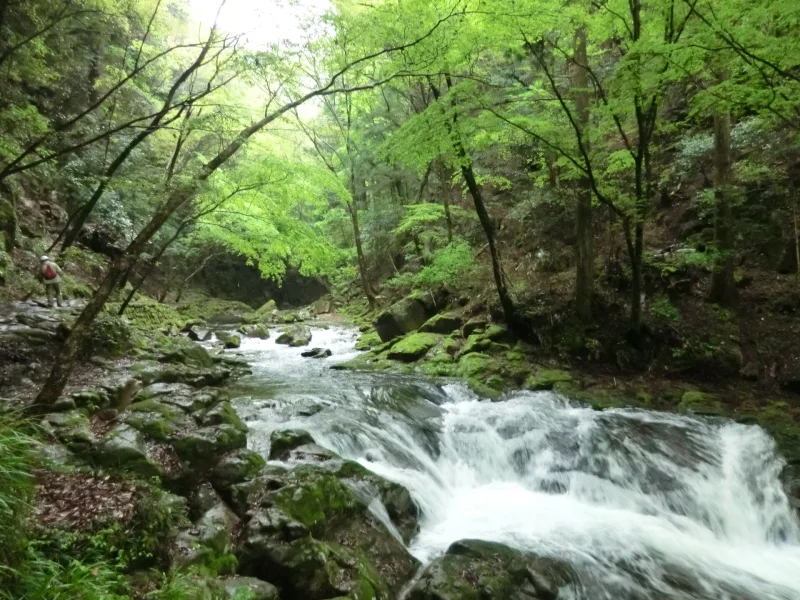
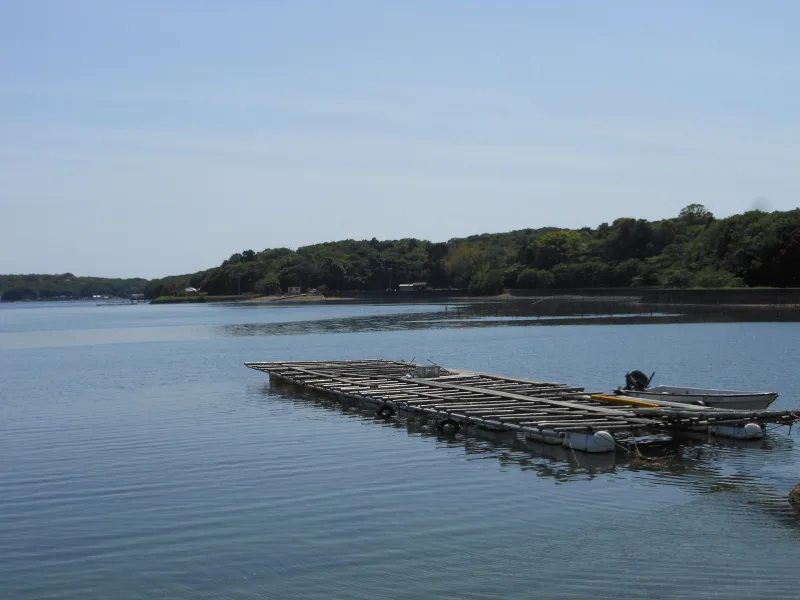
Mie is long and narrow from north to south, and its character changes clearly as you travel through it. In the north, the Ise Plain faces the bay, with Tsu, the prefectural capital, and a string of manufacturing towns close by. Head west and the inland Iga Basin opens into farmland. Further south, the coastline breaks up into the inlets and islands of Ise-Shima, and beyond that the Kii Mountains press right up against the Kumano coast.
Ago Bay gives you an easy picture of how intricate that coastline is, while further south the shore opens out again at Shichiri-mihama, a long beach of sand and gravel. This range of landscapes matters for everyday life, not just for the views: Mie has farming plains, fishing grounds and mountain forests. That is also why "the weather in Mie" cannot be summed up in one simple forecast. Inland Iga sees big swings in temperature between the seasons, and the area around Owase is especially rainy.
Two journeys that shaped Mie
Ise Jingu (Ise Grand Shrine) is not a single building. Its heart is two main shrines: the Outer Shrine (Geku) and the Inner Shrine (Naiku), which enshrines Amaterasu-Omikami, the sun goddess of Shinto. At the Inner Shrine, a wooden bridge crosses the Isuzu River into grounds wrapped in forest. The main shrine buildings are rebuilt in a ritual cycle of roughly every 20 years.
Worshippers also shaped the town outside the shrine. Oharai-machi is still the place to wander after your visit, browsing the shops and trying local food. The second journey heads south: the Iseji route of the Kumano Kodo, the old pilgrimage roads to Kumano. Its stone-paved paths and mountain passes link the Mie coast with the sacred sites of the Kii Mountains. Walk a stretch of it around the Magose Pass and you can feel how closely travel, landscape and faith have been bound together here for a very long time.
Skills passed down locally
On the Toba and Shima coast, ama (women who free-dive for seafood) are still part of local working life. In Osatsu, the ama gather shellfish and seaweed without oxygen tanks. They have long prayed for safety and a good catch at the village's Shinmei Shrine, and their diving gear is marked with symbols to ward off evil. The coast is not just a backdrop to this tradition: the sea and the people who work it cannot be separated.
Inland Iga tells a different story. The area is linked with the Iga school of ninja, whose historical work included intelligence gathering. Iga also produces patterned, hand-braided silk cords (kumihimo), a craft with uses that go far beyond the familiar ninja image. Together, these two places reveal a richer Mie than shrines and seafood alone would suggest: the region's character grew out of distinctive skills handed down in very different landscapes.
Food that changes with the region
In Ise, order Ise udon: thick wheat noodles boiled until soft and coated in a dark sauce made from tamari (a rich soy sauce) and a stock of fish and kombu (kelp). It looks strongly seasoned, but it tastes gentler than the colour suggests. Around the shrine you can also find Akafuku, soft mochi (rice cake) topped with sweet, smooth red bean paste.
If you are heading towards Shima, try tekone-zushi, a local dish of fish marinated in soy sauce mixed with vinegared rice. Mehari-zushi is a traditional dish of the Higashi-Kishu area (eastern Kishu). Mie's signature products include Matsusaka beef, Ise tea, oysters, abalone and Ise-ebi (spiny lobster). You do not need to taste everything in one trip. Eating whatever is local to the area you are passing through is a good way to notice how much the prefecture changes from place to place.
Four seasons, several climates
In spring, cherry blossoms bloom around Iga Ueno Castle, and flower fields bring colour to Saiku. In summer, people head for the water, with kayaking on the southern coast, while the inland mountains offer a different way to enjoy the season. Because Mie stretches so far from north to south, a day on the coast and a day inland can feel completely different.
Autumn leaves spread across Mount Gozaisho, the Akame waterfalls and various points along the Iseji pilgrimage route. In winter you may see rime ice on the trees of Mount Gozaisho, while at the same time the coast is serving oyster and spiny lobster dishes, and you can soak in the hot springs around Toba. The seasons here are best understood through these contrasts rather than as one picture of the whole prefecture, so check conditions for the specific coast, basin or mountain you plan to visit.
Getting there, and taking it slowly
Nagoya is the usual rail gateway to Mie, and travellers coming from Tokyo by shinkansen (bullet train) pass through it too. Kintetsu and JR (Japan Railways) link the prefecture's regions with Nagoya, Osaka and Kyoto. Ise is the practical base for the shrine, and the railway continues on to Toba and Shima. Buses connect some stations with the sights, including the areas around Ise's two main shrines.
The south needs more planning. The JR Kisei Main Line reaches Kumano and the coastal towns, but the pilgrimage routes and small settlements are scattered, so a car makes those areas easier to explore. Iga lies in yet another direction and can be reached by rail from the surrounding cities. Rather than treating Mie as one quick stop, pick a single region or give yourself time to travel between them.
Sources
- 三重県|広聴・広報:English
- Mie | Tokai | Destinations | Travel Japan - Japan National Tourism Organization (Official Site)
- Ise | Mie | Tokai | Destinations | Travel Japan - Japan National Tourism Organization (Official Site)
- Ise-jingu Shrine (Inner Shrine) | Travel Japan - Japan National Tourism Organization (Official Site)
- Kumano City & Around | Mie | Tokai | Destinations | Travel Japan - Japan National Tourism Organization (Official Site)
- Iga | Mie | Tokai | Destinations | Travel Japan - Japan National Tourism Organization (Official Site)
- Toba & Shima | Mie | Tokai | Destinations | Travel Japan - Japan National Tourism Organization (Official Site)
- One-Day Itinerary: Experience the Coastal Culture in Ise-Shima | Visit Mie in Japan, Once in Your Lifetime
- Cuisine with a Time-Honored Tradition | Mie’s Ties to Food
- spring | Visit Mie in Japan, Once in Your Lifetime
- summer | Visit Mie in Japan, Once in Your Lifetime
- fall | Visit Mie in Japan, Once in Your Lifetime
- winter | Visit Mie in Japan, Once in Your Lifetime