Ramen
A noodle dish from China that, in a little over 100 years, grew into local bowls: Sapporo miso, Hakata tonkotsu and Kitakata's "asa-ra" breakfast ramen.
Eaten all over Japan
Best known in Hokkaido and Fukushima and Fukuoka and Tokyo.
- HokkaidoRegional flavours such as Sapporo miso, Hakodate shio and Asahikawa shoyu; selected as Hokkaido Heritage
- FukushimaHome of Kitakata ramen, known for flat wavy noodles and "asa-ra", eating ramen in the morning
- FukuokaHakata ramen: milky tonkotsu soup and thin noodles, with kaedama noodle refills
- TokyoRairaiken, opened in Asakusa in 1910, sparked the first ramen boom; the old-style flavour is shoyu
What is ramen?
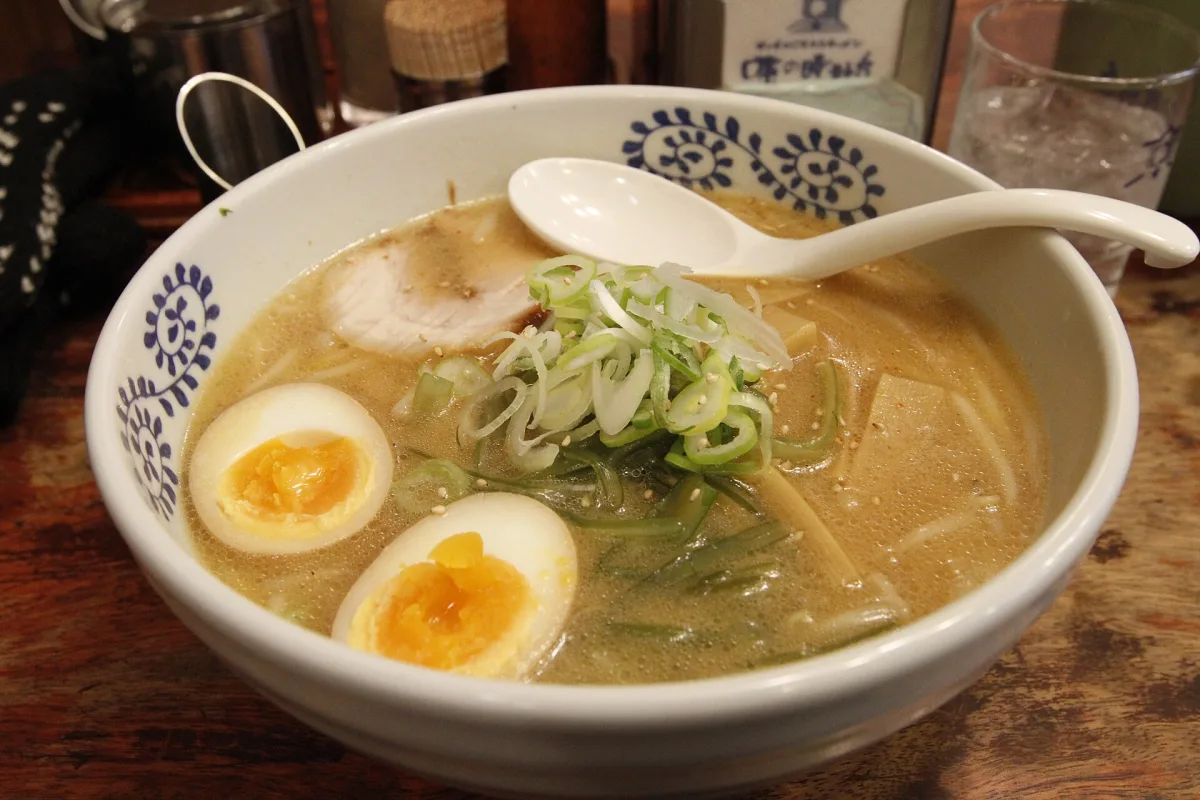
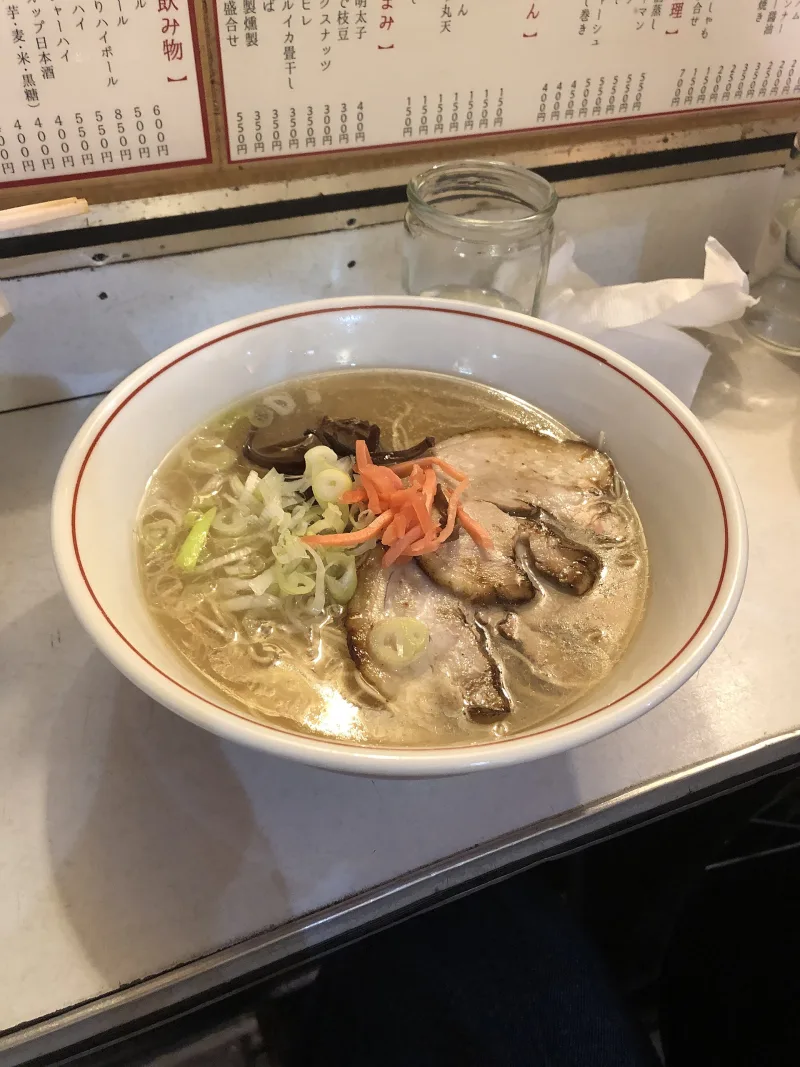
Ramen is a dish of chuka men (Chinese-style wheat noodles) in hot soup, topped with things like chashu (seasoned pork), menma (seasoned bamboo shoots) and spring onion. In Japan it has also been called "shina soba" or "chuka soba" (Chinese soba).
The Japan National Tourism Organization (JNTO) divides the main soups into four types. Shio (salt), shoyu (soy sauce) and miso differ in their seasoning, while the fourth, tonkotsu, is a creamy white soup made by boiling pork bones. Most shops specialise in just one or two kinds of soup.
Ramen is a casual meal, eaten quickly without lingering. Many people order it with gyoza (pan-fried dumplings), fried rice or a beer.
From Chinese noodle dish to Japan's national dish
According to the timeline of the Shin-Yokohama Ramen Museum, foreigners came to live in Japan after its ports opened in 1859, and Chinese noodle dishes arrived with them. There is a record of a Western-style restaurant in Hakodate serving "Nanking soba" in 1884, and one theory calls it Japan's first ramen, but whether it was a dish connected to today's ramen is unknown.
In 1910 Rairaiken opened in Asakusa, Tokyo, and is said to have set off the first big ramen boom. After the Great Kanto Earthquake of 1923, cooks from Tokyo and Yokohama scattered across the country, and street stalls and ramen specialists multiplied everywhere. After the Second World War, people returning from China opened stalls using recipes they had learned there, and cheap, nourishing ramen won people over in a time of scarcity.
In 1958 the first instant ramen, Chicken Ramen, went on sale, and the dish that had been called "shina soba" or "chuka soba" spread nationwide under the name "ramen". Cup noodles followed in 1971.
Hokkaido, Kitakata and Hakata: how local ramen differs
In Hokkaido, helped by the cold climate, ramen spread rapidly after the war and regional flavours emerged. According to Japan's Ministry of Agriculture, Forestry and Fisheries, Sapporo is known for miso, Hakodate for shio in a clear, low-fat pork-bone soup, and Asahikawa for shoyu. In Asahikawa the surface of the soup is covered with fragrant oil so it stays hot to the last drop. Sapporo's miso ramen was created at a restaurant in the city in 1954. Hokkaido ramen has even been selected as Hokkaido Heritage, a list of treasures chosen for the people of Hokkaido.
Fukushima Prefecture's Kitakata ramen is said to have started with "shina soba" sold from a street stall by a young man from China at the end of the Taisho era. It is known for a soup made with soft subterranean water from the Iide mountain range and flat, wavy noodles made with plenty of water and left to mature. It is also famous for the habit of "asa-ra", eating ramen in the morning, and in fiscal 2021 it was recognised as one of the Agency for Cultural Affairs' "100-Year Foods".
Fukuoka's Hakata ramen pairs a milky tonkotsu soup with firm, thin noodles. You can choose the firmness of your noodles from options such as "yawa" (soft), "kata" (firm), "barikata" (extra firm) and "harigane" (wire-hard), and order a "kaedama", a refill of noodles only once you've finished. The cloudy pork-bone soup of Kyushu is said to trace back to one first served by a shop in Kurume in 1947. Tokyo's old-fashioned flavour, by contrast, is a dark shoyu soup made from pork bones and chicken bones.
How to order and eat
At many ramen shops you buy a shokken (meal ticket) first from a ticket machine near the entrance. Put in your money, press the buttons for your ramen, drinks and sides, hand the tickets that come out to the staff, then wait at your seat. Some shops take orders directly from staff instead.
According to JNTO, slurping your noodles noisily is not rude; in fact it makes them easier to eat with chopsticks. You may drink all the soup, and lift the bowl to drink it. If you finish the noodles and toppings and leave some soup, that still counts as properly finishing your meal.
A ramen shop isn't a place to linger. Chatting is fine, but if there's a queue outside, give up your seat soon after you finish.
Where to eat it, and notes for dietary restrictions
There are ramen shops everywhere in Japan, and almost every region has its own style. JNTO recommends trying a local shop when you travel, and says a queue outside is often a good sign that the food is good.
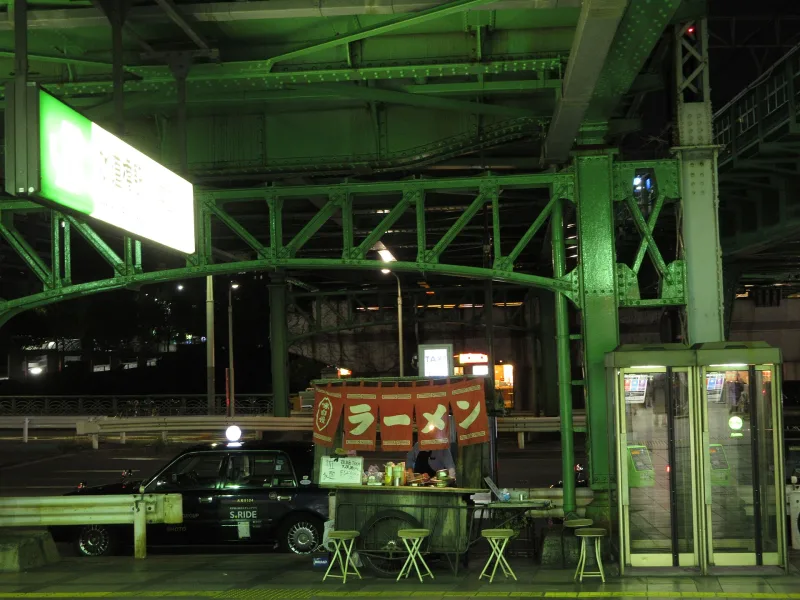
In Fukuoka, around 100 yatai (street stalls) hang out their noren curtains across the city at night, and you can eat ramen at them too. According to Fukuoka City's tourism website, most stalls close when the weather is bad, and stalls have no toilets.
For those with dietary restrictions: the soup is usually made from animal bones such as pork bones or chicken bones, and chashu is pork. If you are vegetarian or want to avoid pork, check the ingredients before ordering.
Tips
- When you walk in, first look for a ticket machine near the entrance. At many shops you buy a meal ticket before you sit down.
- At Hakata ramen shops you can choose how firm your noodles are, and order a "kaedama" to get more noodles only.
- In Kitakata some ramen shops open in the morning, so you can experience the local "asa-ra" (morning ramen) culture.
- Slurping your noodles is not bad manners. You can drink all the soup or leave some.
- Fukuoka's yatai (street stalls) often close in bad weather, so check the forecast before you go.