Japan is Nippon
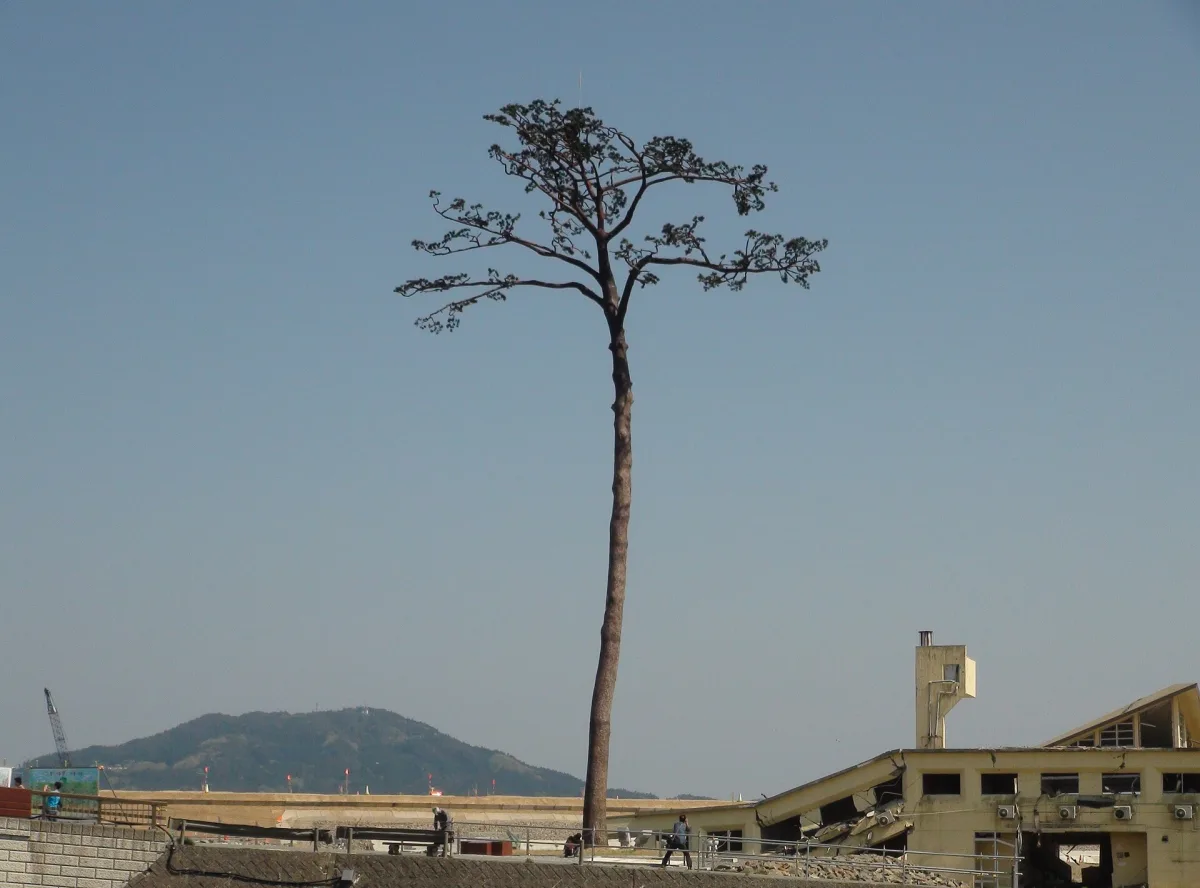
Miracle Pine Tree (Kiseki no Ippon Matsu)
奇跡の一本松
The one pine left standing when the 2011 tsunami swept away a forest of about 70,000. Preserved as a monument, it is Rikuzentakata's symbol of recovery and prayer.
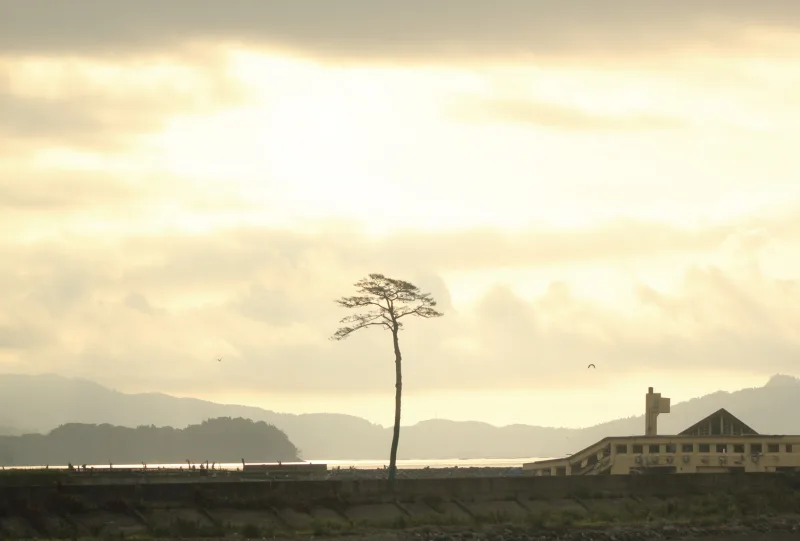
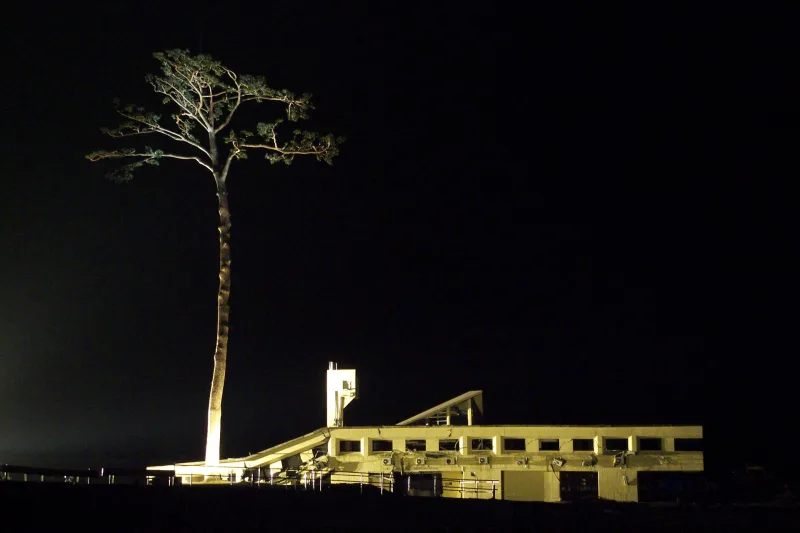
One tree left from a forest of 70,000
The coast of Rikuzentakata in Iwate Prefecture was once lined for about 2 km by a pine forest called Takata Matsubara. Local people had planted and cared for it for some 350 years. Its roughly 70,000 pines sheltered the town from the wind, and the view of white sand and green pines was designated a national Place of Scenic Beauty. In summer it was busy with swimmers, a favourite spot for the people of the city.
On 11 March 2011, the huge tsunami of the Great East Japan Earthquake struck Rikuzentakata, leaving nearly 2,000 people dead or missing. Almost all of Takata Matsubara was washed away, but a single pine was left standing. This "Miracle Pine" became a symbol of hope and recovery for the people who had lost so much.
Brought back as a monument
Seawater badly damaged the tree, and in May 2012 it was confirmed dead. Tests showed it was 173 years old. Using donations from around the world, the city carried out the Miracle Pine Preservation Project. The tree was cut down and taken away, its trunk was hollowed out and treated against rot, and a frame of carbon-fibre-reinforced plastic was fitted so that it could stand on its own. The branches and needles at the top are replicas cast from moulds. In July 2013 the 27.5 m monument returned to the very same spot.
Right next to it, the former Rikuzentakata Youth Hostel, badly wrecked by the tsunami, has been left exactly as it was after the disaster. It is thought that the building took the force of the waves and so protected the pine. Both the pine and the hostel are lit up at night. Saplings grown from the pine's seeds have also been planted, along with many others, where the forest once stood.
Inside the memorial park
The pine stands in the Takata Matsubara Tsunami Reconstruction Memorial Park. The park also holds the Great East Japan Earthquake Tsunami Museum (Iwate Tsunami Memorial), which passes on the facts and lessons of the disaster, a national memorial facility and the Takata Matsubara roadside station, and the pine is a short walk from the museum. Visiting the museum as well as the pine gives you a much clearer picture of what happened here.
Getting there
Get off at Kiseki no Ippon Matsu Station on the JR Ofunato Line BRT (a bus rapid transit route run by JR). The stop is inside the car park of the Takata Matsubara roadside station, and from there it is about a 10-minute walk along the park path. By car, the roadside station is about 5 minutes from Rikuzentakata-Osabe IC on the Sanriku Expressway. The path is paved and wheelchair accessible, but you can use it only during park hours.
Tips
- The area around the pine was flooded by the tsunami. If an earthquake strikes while you are there, head for high ground straight away.
- Toilets are at the Takata Matsubara michi-no-eki (roadside station).
- The park paths are open only during park hours. Check the times on the official website of the Takata Matsubara Tsunami Reconstruction Memorial Park.
- Many people lost their lives here, and some visitors stop to pray with their hands together, so please keep your voice down.
Sources
- 高田松原と奇跡の一本松 | 陸前高田市 (opens in a new tab)
- 奇跡の一本松保存プロジェクト | 陸前高田市 (opens in a new tab)
- 奇跡の一本松へのアクセス | 陸前高田市 (opens in a new tab)
- 奇跡の一本松ライトアップ | 陸前高田市 (opens in a new tab)
- 陸前高田市/奇跡の一本松 | 観光庁 多言語解説文データベース (opens in a new tab)
- 奇跡の一本松 | 旅東北(東北観光推進機構) (opens in a new tab)
- 三陸中部森林管理署の見所(道の駅高田松原と奇跡の一本松) | 東北森林管理局 (opens in a new tab)
Updated 21 November 2026. Opening hours and prices change, so check the official site before you go.