Osaka
Osaka pairs a lively merchant city with ancient burial mounds, a trading past, green hills and a food culture that goes far beyond street snacks.
Map outlines: Natural Earth
-
1
 Universal Studios Japan
The first Universal Studios park outside the USA, home to Super Nintendo World and its recreation of Mario's world. It turned 25 in 2026.
Universal Studios Japan
The first Universal Studios park outside the USA, home to Super Nintendo World and its recreation of Mario's world. It turned 25 in 2026.
-
2
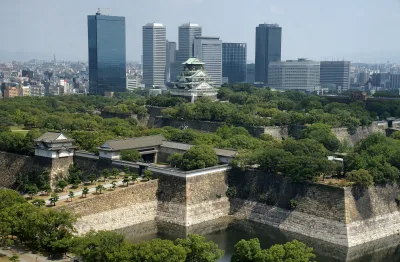 Osaka Castle
Osaka's symbol: built by Toyotomi Hideyoshi, rebuilt by the Tokugawa, keep revived in 1931 by citizens' donations. Now a museum in a vast walled park.
Osaka Castle
Osaka's symbol: built by Toyotomi Hideyoshi, rebuilt by the Tokugawa, keep revived in 1931 by citizens' donations. Now a museum in a vast walled park.
-
3
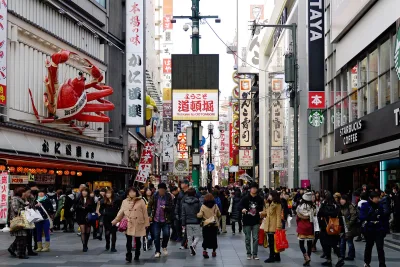 Dotonbori
Osaka's best-known nightlife strip in Minami, lined with giant 3D signs and neon. Snack on takoyaki and enjoy the lights from the riverside walk.
Dotonbori
Osaka's best-known nightlife strip in Minami, lined with giant 3D signs and neon. Snack on takoyaki and enjoy the lights from the riverside walk.
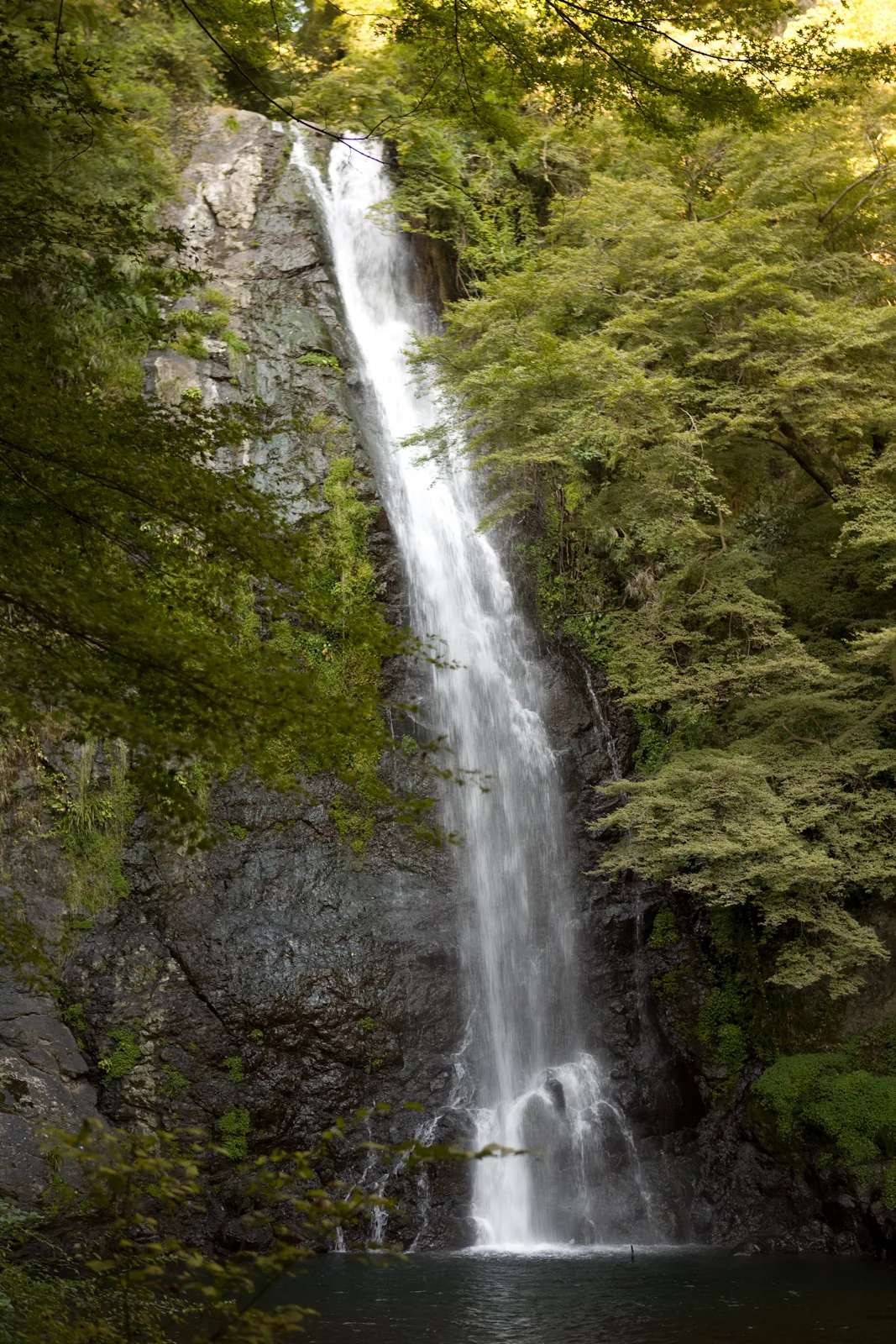

Beyond the city lights
Osaka City is only one part of the prefecture. Osaka Bay lies to the west, and hills and mountains close it in to the north, east and south, with rivers crossing the plain in between. Water helped make this a trading hub, and it still gives visitors another way to understand the place. In the city, follow a riverside path, then head to the coast and look back across the bay.
For a different pace, go north to Minoo Falls and the wooded hills around them. Further south, the Kongo and Katsuragi mountains offer scenery that could hardly be more different from the dense streets of central Osaka. Sakai and Kishiwada add another side to the prefecture: histories of ports and crafts, and festivals with deep local roots.
Ports, burial mounds and merchant streets
Long before Osaka Castle existed, this was a gateway to the rest of Asia. The ancient port of Naniwa-tsu brought people and skills to the area. Shitenno-ji temple was founded in 593, and remains of the 7th-century Naniwa Palace are preserved within Osaka City. In 1583, Toyotomi Hideyoshi built Osaka Castle and made the city the centre of his rule.
The prefecture's history reaches beyond the city, too. In Sakai, kofun (huge ancient burial mounds) make up the Mozu group of tombs. A second group, the Furuichi tombs, lies around the cities of Habikino and Fujiidera. Together they are a UNESCO World Heritage Site. The enormous Daisen Kofun looks like a forest from the ground, and visitors can walk along its outer moat rather than climbing the mound itself. Later, Osaka's markets handled rice and other goods from all over the country, earning the city the nickname "the nation's kitchen" (tenka no daidokoro). Sakai developed its own traditions of trade and craft, knives among them.
What the kitchen produces
Start with takoyaki: small, round, bite-sized balls of batter and octopus cooked on a moulded iron griddle. Okonomiyaki is a savoury pancake based on cabbage, with fillings of your choice, cooked on a hotplate. Kushikatsu is meat or vegetables on skewers, coated in batter and breadcrumbs and deep-fried; in Shinsekai it is closely tied to casual counter-style restaurants. These dishes are easy to love, but they are not the whole story.
Dashi (a savoury, umami-rich stock) runs through all of Osaka's cooking. Kombu (kelp) shipped from Hokkaido shaped the local food, and Sakai's knife-making skills made it possible to create delicate products from kelp shaved very thin. Look out, too, for vegetables grown in the prefecture and certified as traditional Naniwa yasai (Naniwa vegetables); Naniwa is an old name for Osaka. Food here connects the seafood of the bay, inland growers, the merchants who moved ingredients and the craftspeople who made the tools to prepare them.
Local speech and festivals on wheels
The local dialect, Osaka-ben, has phrases you will hear in shops and restaurants. "Ookini" means "thank you" and may be said to customers as they leave. "Maido" is a familiar greeting associated with merchants and regular customers. You do not need to use either yourself, but it is fun to hear Osaka's long commercial history living on in everyday speech.
Kishiwada's Danjiri Festival shows a different kind of local pride. Danjiri are elaborately carved wooden festival floats, pulled through the streets by teams of local residents. Watch from well back: accidents and injuries are not unusual at this fast-moving festival. Seeing the danjiri swing round a corner from a safe distance makes it clear that this is a coordinated community effort, not just a show for tourists. In the city, the Tenjin Festival is another expression of that shared energy, with a procession on land and a river procession of boats (funatogyo).
Osaka through the year
In spring, cherry blossoms bloom in Osaka Castle Park and along the rivers, and the Japan Mint is known for its late-flowering varieties. After the June rains come hydrangeas and Japanese irises. Summer is hot and humid; at the Tenjin Festival, boats and fireworks fill the Okawa River, while smaller neighbourhood festivals show a more local side of the season.
In autumn, the ginkgo trees along Midosuji avenue turn yellow and the trees in Osaka Castle Park change colour. It is also a good season to notice how close the hills are to the city. Winter has a different feel: illuminations light up the streets, plum blossoms begin to open in the castle park, and at Toka Ebisu merchants gather at shrines to pray for business success. Snow is rare in the city, but evenings can be cold.
Arriving and getting around
From other parts of Japan, many travellers arrive at Shin-Osaka on the shinkansen, Japan's high-speed railway. From Kansai International Airport, JR and Nankai trains run into the city. Within the city, think of Kita (around Umeda) and Minami (around Namba and Tennoji) as convenient bases and travel between them by subway. The Osaka Loop Line is handy for changing to other railways.
Do not plan the whole prefecture as if it were one downtown stroll. JR and private railway lines reach Sakai, the burial mound groups and southern Osaka, and trains also run to the northern suburbs. For a more leisurely city trip, try a water bus along the rivers or the tram that runs from the Tennoji area towards Sumiyoshi and Sakai.
Sources
- ADVENTURE OSAKA
- Unraveling Osaka's History | 1400 Years of Progress and Development | OSAKA-INFO
- Mozu-Furuichi Kofun (UNESCO) | World Heritage | Travel Japan - Japan National Tourism Organization (Official Site)
- Sakai & Kishiwada | Osaka | Kansai | Destinations | Travel Japan - Japan National Tourism Organization (Official Site)
- Takoyaki | Osaka's recommended gourmet food, history and charm explained | OSAKA-INFO
- A comprehensive guide to Osaka okonomiyaki! Introducing its history, charm, and delicious ways to eat it | OSAKA-INFO
- Complete Guide to Kushikatsu in Osaka | Introducing popular Shinsekai restaurants and how to eat them | OSAKA-INFO
- The allure of Osaka’s Food Culture and history: The tradition of "the nation's kitchen" supported by dashi and kelp
- The History and Craftsmanship of Sakai Knives | Osaka’s Food Culture Supported by Naniwa Artisans
- Osaka Food & Specialty Products Guide | Introducing the charm of Osaka's traditional vegetables, local wines, and the birthplace of ramen.
- A guide to the meaning and usage of Osaka dialect! 5 classic expressions, including "Okini" and "Nanbo"
- Enjoy spring sightseeing in Osaka! A complete guide to famous cherry blossom viewing spots, events, and more.
- Enjoy summer in Osaka! Information on Tenjin Festival, fireworks displays, and recommended sightseeing spots.
- Enjoy autumn in Osaka! Sightseeing and event information including autumn foliage spots and the Danjiri Festival.
- Osaka Winter Sightseeing Guide | Events, Temperatures, and Clothing for December, January, and February
- Osaka | Kansai | Destinations | Travel Japan - Japan National Tourism Organization (Official Site)
- Osaka Sightseeing Transportation Guide | How to Ride Trains, Subways, and Buses