Nagano
Nagano is a land shaped by the Japanese Alps, with mountain valleys, old highways, soba and seasons that change in sharp relief.
Map outlines: Natural Earth
-
1
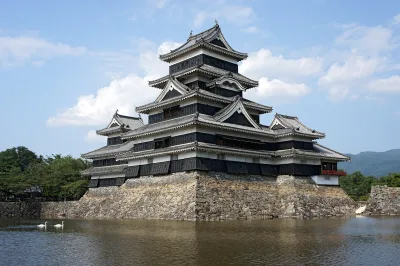 Matsumoto Castle
Matsumoto's black-walled National Treasure castle. Its Sengoku-era keep of five tiers and six floors survives; steep wooden stairs lead to the top.
Matsumoto Castle
Matsumoto's black-walled National Treasure castle. Its Sengoku-era keep of five tiers and six floors survives; steep wooden stairs lead to the top.
-
2
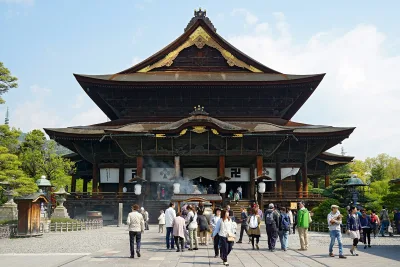 Zenko-ji Temple
A Nagano temple said to date back some 1,400 years, open to all regardless of sect, where you can grope through a pitch-dark passage beneath the main hall.
Zenko-ji Temple
A Nagano temple said to date back some 1,400 years, open to all regardless of sect, where you can grope through a pitch-dark passage beneath the main hall.
-
3
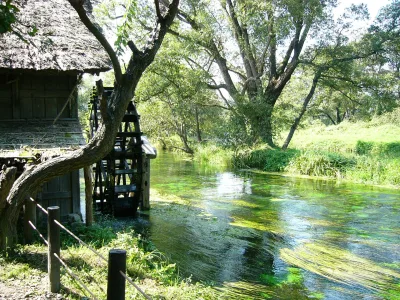 Daio Wasabi Farm
One of Japan's biggest wasabi farms, in Azumino, Nagano, fed by Northern Alps snowmelt. Walk by clear rivers and water wheels; try wasabi ice cream.
Daio Wasabi Farm
One of Japan's biggest wasabi farms, in Azumino, Nagano, fed by Northern Alps snowmelt. Walk by clear rivers and water wheels; try wasabi ice cream.
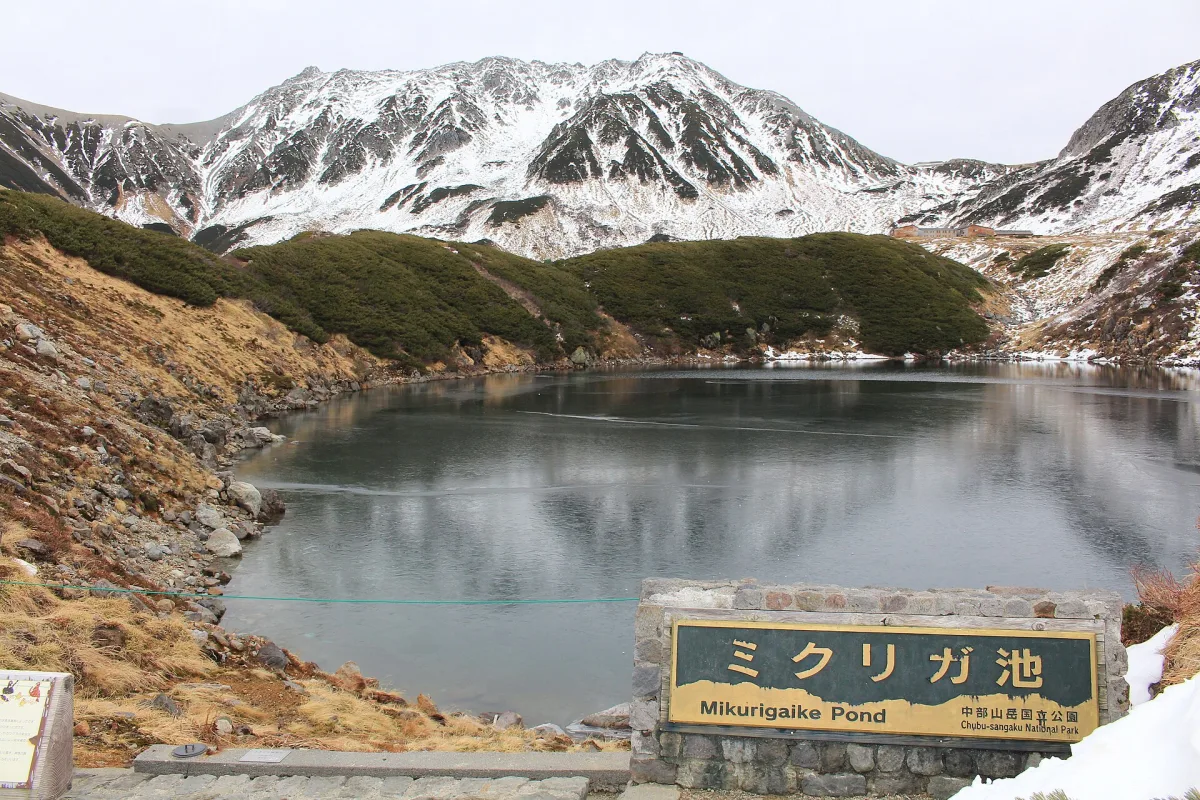

The mountains decide the map
Nagano is easier to understand if you think of its mountains before its cities. The Japanese Alps divide this long, landlocked prefecture into valleys and highlands, so two places that look close on the map can be reached by completely different routes. In the west, the forested Kiso Valley runs between the Central Alps and Mount Ontake. Around Matsumoto the Northern Alps rise behind the city, and further east Lake Suwa sits among the central highlands.
The mountains shape simple pleasures as well as serious climbing. At Kamikochi, a valley reached from the Matsumoto side, you can stroll beside clear water while gazing at high peaks. Around Suwa, the foothills and the Yatsugatake range create a more open landscape with a different feel. Even without climbing to a summit, you will see why Nagano's regions have developed such distinct characters.
Pilgrim roads and castle walls
Nagano is also called Shinshu, a name that comes from its old name, Shinano Province. Zenkoji Temple in Nagano city has welcomed worshippers for centuries. It does not belong to any single Buddhist sect, and its approach is still a street lined with shops and places to eat. Matsumoto tells another side of the story: black-walled Matsumoto Castle, with the Alps behind it, is designated a National Treasure.
In the past these places were linked in slower ways. The Nakasendo was a highway connecting Kyoto and Edo (today's Tokyo), and its post towns were resting places for the people and goods crossing the mountains. In Kiso you can walk the streets of Tsumago and Narai, where wooden buildings still convey the scale of that journey. This valley was not just scenery along the highway but a working route through difficult terrain.
What the fields and kitchens produce
Start with soba, noodles made from buckwheat flour. Nagano's cool climate suits growing buckwheat, and the prefecture's farming guides note that the way it is eaten varies by region. In other words, a bowl of Shinshu soba is a way in, not the whole story. Apples and grapes are familiar orchard crops too, and highland fields grow lettuce in the warmer months.
For something to eat in your hand, try oyaki: buns of wheat-flour dough wrapped around fillings such as vegetables, pickles or sweet beans. They grew out of a food culture that used wheat flour to make up for limited rice harvests. Gohei mochi is a traditional food of southern Nagano. Like its roads, Nagano's food changes as you move from valley to valley.
A prefectural song and Kiso lacquerware
Ask locals how they feel about home and you may hear about the song "Shinano no Kuni", meaning "the land of Shinano". The lyrics were written in 1899 and the music in 1900. Originally made as a school song, it later became Nagano's official prefectural song. The prefecture describes it as a song that many residents can sing, a lovely reminder that the old name still lives on in everyday Nagano.
In the Kiso Valley, making things takes a quieter form. Craftspeople in and around Kiso-Hirasawa apply layer upon layer of lacquer to wooden bowls, trays and other items. These traditions are all very different, but each connects local people to the materials and landscapes around them.
How the seasons feel
Spring comes with cherry blossoms in the towns and fresh green in the mountains, while snow may still be visible on the high slopes. Summer is the season of green forests and highland walks, but it is worth remembering that Nagano is not cool everywhere: lower-lying places can get hot. At Kamikochi you can walk along the river surrounded by summer peaks.
Autumn colours start high up and work their way down the mountainsides. Autumn is also the season for new soba. In winter the trip changes again: parts of the prefecture get deep snow, and skiers flock to the mountains. An onsen (hot spring bath) after a day outdoors is something special. If you want to visit Kamikochi, plan around its seasonal access rather than thinking of it as somewhere you can drop in on all year round.
Getting there, then choosing a valley
Most travellers arrive by train or highway bus. The Hokuriku Shinkansen, the Japanese high-speed train on this route, links Tokyo with Nagano city and also stops at places such as Karuizawa and Ueda. There are direct trains from Tokyo's Shinjuku Station to Matsumoto, and from Nagoya the Shinano limited express runs through the Kiso Valley. The best station to arrive at depends on which part of the prefecture you want to explore first.
Once there, combine trains and local buses to reach mountain destinations. For example, buses link Matsumoto's rail network with Kamikochi, and other routes run to the ski resorts and hot spring towns of the north. A car lets you explore the widely scattered valleys more freely, but the mountains can make driving times longer than expected, and winter roads call for proper snow equipment. Choosing one or two neighbouring areas usually makes for a more relaxed trip than trying to cross the whole prefecture.
Sources
- About Nagano | Go! Nagano
- Nagano | Hokuriku Shinetsu | Destinations | Travel Japan - Japan National Tourism Organization (Official Site)
- Kiso Valley | Nagano | Hokuriku Shinetsu | Destinations | Travel Japan - Japan National Tourism Organization (Official Site)
- Zenkoji Temple | Nagano Attractions | Travel Japan | JNTO
- Matsumoto Castle | Japan’s Local Treasures | Travel Japan (JNTO)
- 長野県の歴史1/長野県
- 知ってる?信州農産物/長野県
- How to Make your Own Oyaki | Go! NAGANO Official Travel Guide of Nagano, Japan
- 県歌「信濃の国」/長野県
- The Traditional Crafts of Nagano | Go! NAGANO Official Travel Guide of Nagano, Japan
- Kamikochi Travel Guide | Go! NAGANO Official Travel Guide of Nagano, Japan
- Getting Around Nagano | Go! Nagano