Kanagawa
Kanagawa runs from Yokohama's busy port to Kamakura's temples, the Shonan coast and the Hakone mountains, all within easy reach of Tokyo.
Map outlines: Natural Earth
-
1
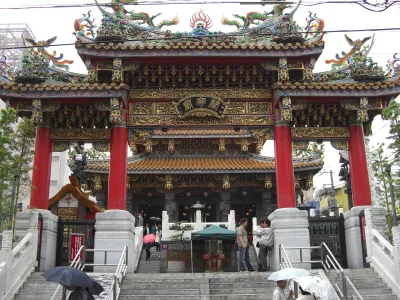 Yokohama Chinatown
Japan's largest Chinatown, with over 600 shops packed into about 500 m square. Graze on street food as you take in colourful gates and Chinese temples.
Yokohama Chinatown
Japan's largest Chinatown, with over 600 shops packed into about 500 m square. Graze on street food as you take in colourful gates and Chinese temples.
-
2
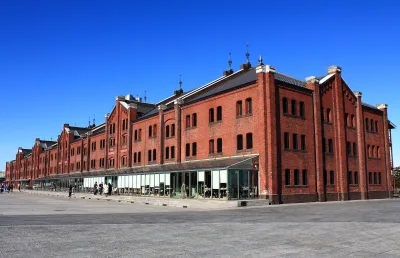 Yokohama Red Brick Warehouse
Two brick warehouses built by the state in the Meiji and Taisho eras, now a waterfront home for shops and events, with seasonal events worth coming back for.
Yokohama Red Brick Warehouse
Two brick warehouses built by the state in the Meiji and Taisho eras, now a waterfront home for shops and events, with seasonal events worth coming back for.
-
3
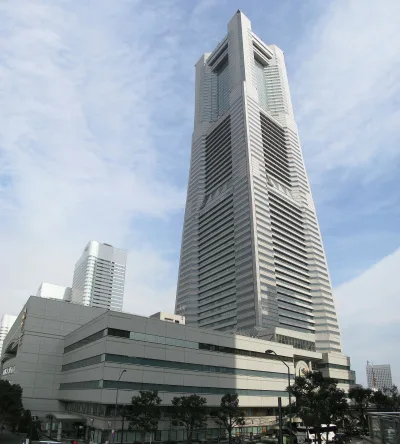 Yokohama Landmark Tower
The 296 m skyscraper that symbolises Minato Mirai 21, with a Meiji-era stone dock at its feet: old and new port-city Yokohama in one place.
Yokohama Landmark Tower
The 296 m skyscraper that symbolises Minato Mirai 21, with a Meiji-era stone dock at its feet: old and new port-city Yokohama in one place.
.jpg)
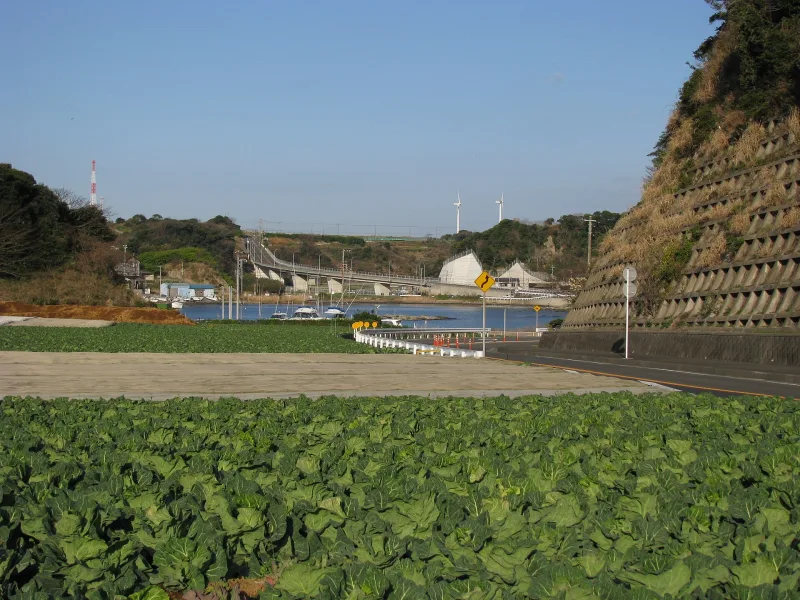

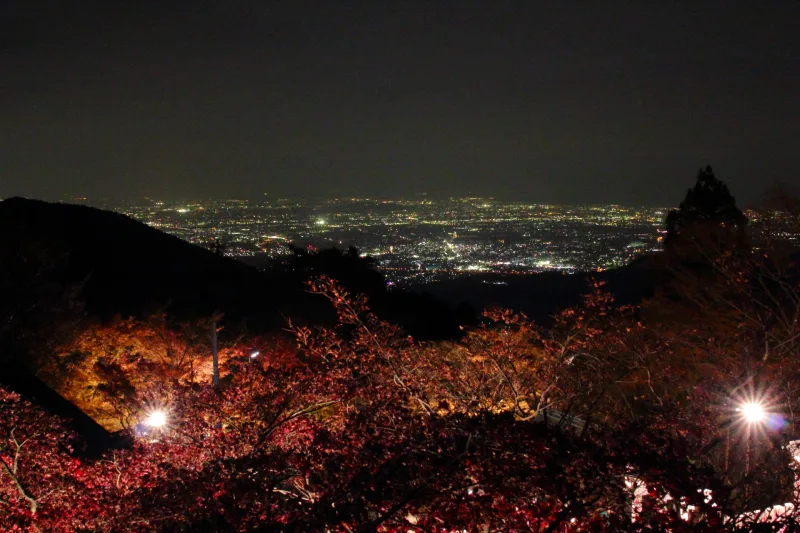

Two bays, a coastline and mountains
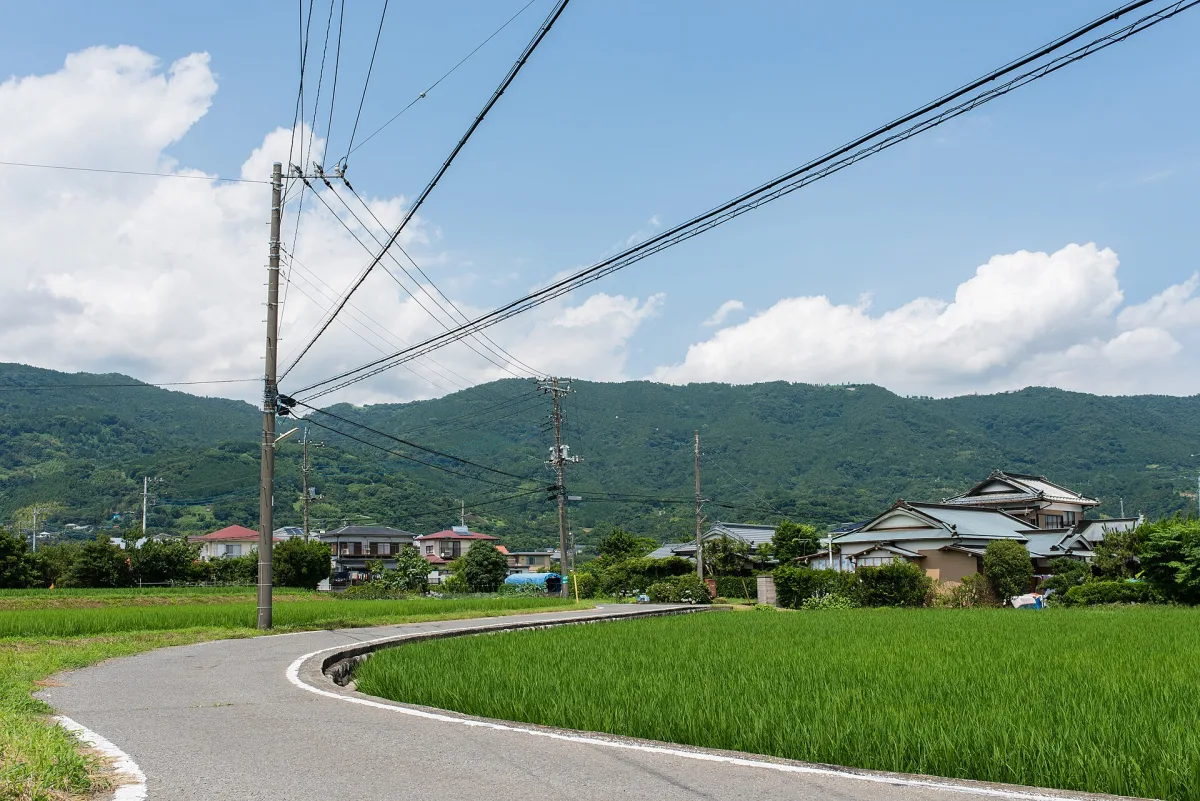
Kanagawa lies just south of Tokyo, yet it does not feel like one continuous city. Its east coast faces Tokyo Bay, where Yokohama and Kawasaki grew up around their ports and city centres. Its southern coast faces Sagami Bay. Head inland and the land rises through plains and hills to the Tanzawa and Hakone mountains. This shifting scenery is part of Kanagawa's character: you can fit a waterside walk and a mountain outing into the same trip.
The Tanzawa Mountains, though right on the capital's doorstep, have ridges, steep valleys and waterfalls. Hakone in the west offers different scenery again, with wooded slopes, Lake Ashi and hot springs. Along the coast, the Miura Peninsula has fishing towns and fields as well as beaches. The further you look beyond familiar Yokohama, the more Kanagawa gives back.
A samurai capital and an open port
Kanagawa's history has more than one centre. In Kamakura, Minamoto no Yoritomo won the backing of the warriors of eastern Japan and set up a shogunate (a government run by the samurai class). Temples, shrines and the Great Buddha (a large bronze statue of the Buddha) still give the town a different rhythm from Yokohama's commercial districts. Further west, Odawara grew as a castle town. Visiting places like these makes it easier to feel how much of the prefecture's history predates the birth of the modern city.
Yokohama tells the story of a later age. Once it opened as a trading port, it became a point of contact between Japan and other countries, and commercial districts grew up around it. This maritime history helps explain why Kanagawa has both a strong local flavour and an outward-looking feel. It is worth making time for both Kamakura and Yokohama rather than treating one as a substitute for the other, because their streets reflect entirely different eras and purposes.
Kanagawa's table and handcrafts
Several of Kanagawa's signature foods come from the sea. Around Shonan, shirasu (tiny young fish) is served raw, boiled or dried, and a bowl of rice topped with shirasu is an easy introduction. Misaki, on the Miura Peninsula, is known for tuna, often served as a donburi (a bowl of rice with toppings). Odawara's kamaboko is a springy fish cake made from white fish. These foods give the prefecture's menus a distinctly seaside feel.
The cities and mountains add other flavours. Yokohama has its own noodle traditions, including sanmamen, noodles topped with stir-fried vegetables in a thick sauce. Oyama is known for tofu dishes. Kanagawa's products go beyond food, too: Hakone's yosegi-zaiku is a wooden mosaic craft that uses the colours of different natural woods to build geometric patterns. Look closely at a patterned box and you will see how a souvenir connects to the trees and craft traditions of the western mountains.
Pilgrimages, festivals and changing seasons
Mount Oyama has long been a place of worship, not just a hiking destination. Many pilgrims came from Edo (today's Tokyo) on the Oyama pilgrimage, and you can still reach Oyama Afuri Shrine by mountain path or cable car. At the annual grand festival of Kamakura's Tsurugaoka Hachimangu Shrine, yabusame (ceremonial horseback archery) is performed alongside traditional performing arts and mikoshi (portable shrines carried in procession). Customs like these keep the area's religious and samurai history visible today.
The season changes what you take away from a visit. In spring, cherry blossoms bloom at Kamakura's temples and in Yokohama's parks, and in summer people flock to the coast and sea around Enoshima. In autumn, Kamakura and Hakone glow with Japanese maples, and the Tanzawa trails let you see the changing forest up close. Winter is perfect for soaking in Hakone's hot springs or gazing at snow-capped Mount Fuji on a clear day. The coast and the mountains offer different ways to enjoy the same season.
Once you arrive, take it slowly
Yokohama and Kamakura are easy starting points, since you can reach them from Tokyo by ordinary train. If you are coming by shinkansen (Japan's high-speed train), Shin-Yokohama is handy for the Yokohama area and Odawara for the west of the prefecture. From Odawara, the Hakone Tozan Railway continues towards Hakone. This matters: Kanagawa has several convenient gateways, so picking the one nearest your destination saves you criss-crossing the prefecture for nothing.
Getting around locally has its own charm. The Enoshima Electric Railway (often called the Enoden) links Kamakura and Fujisawa, running through residential streets and along the coast on its way to Enoshima. For Mount Oyama, take the train to Isehara, change to a bus and, if you like, use the cable car. Think of Kanagawa not as a single stop but as a set of connected areas, and leave yourself time to walk the last stretch to a shrine, the seaside or a residential street.
Sources
- 神奈川県の位置・地勢・人口・気象 - 神奈川県ホームページ
- 神奈川県の歴史 - 神奈川県ホームページ
- 丹沢について - 神奈川県ホームページ
- Kanagawa | Kanto | Destinations | Travel Japan - Japan National Tourism Organization (Official Site)
- Day Trip to Mt. Oyama
- Tsurugaoka Hachimangu Reitaisai Festival | Travel Japan - Japan National Tourism Organization (Official Site)
- 2020_kanagawa_en