Gunma
Gunma stretches from the Kanto Plain to snowy mountains, with hot spring towns, a silk-making past and a real love of wheat-based food.
Map outlines: Natural Earth
-
1
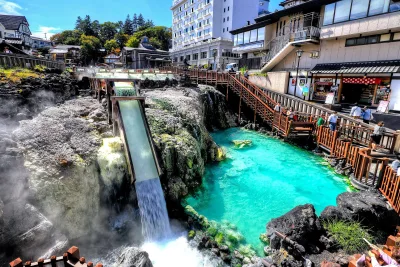 Kusatsu Onsen Yubatake
Kusatsu Onsen's steaming symbol, gushing about 4,000 litres of hot water a minute. Lit up at night, its light and steam make a magical scene.
Kusatsu Onsen Yubatake
Kusatsu Onsen's steaming symbol, gushing about 4,000 litres of hot water a minute. Lit up at night, its light and steam make a magical scene.
- 2 Konnyaku Park A konnyaku theme park in Gunma, Japan's top konnyaku-growing prefecture. Tour the factory for free and taste about 15 konnyaku dishes.
-
3
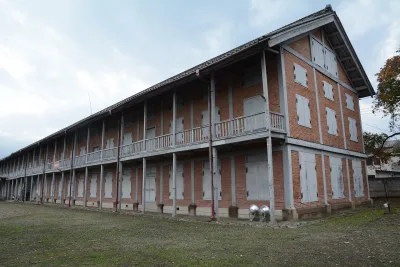 Tomioka Silk Mill
Japan's first full-scale mechanised silk mill, built by the Meiji government in 1872. A World Heritage site in Tomioka, Gunma, with its brick buildings intact.
Tomioka Silk Mill
Japan's first full-scale mechanised silk mill, built by the Meiji government in 1872. A World Heritage site in Tomioka, Gunma, with its brick buildings intact.
.jpg)
From open plains to mountain wetlands
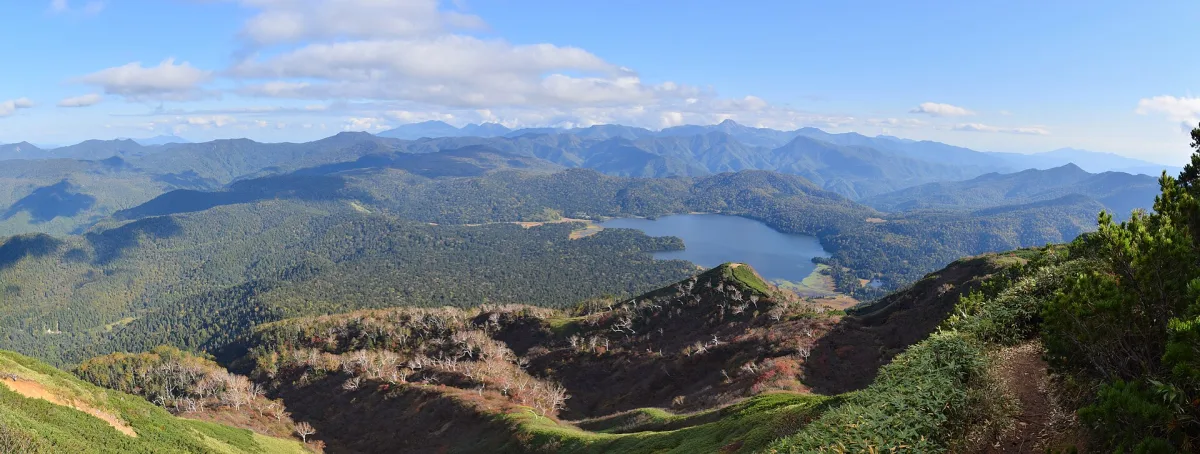
Gunma is a landlocked prefecture with strikingly varied scenery. The Kanto Plain spreads across the south-east, while mountains rise along the northern and western edges, and most of the prefecture is forest. Follow the Tone River upstream into the highlands and you come to gorges, lakes and the vast wetlands of Oze. That is why a trip centred on the southern cities feels completely different from one spent walking mountain trails.
This contrast shapes daily life, not just holidays. Summers on the flatlands can be fiercely hot, and thunderstorms build as warm air rises towards the mountains. The higher areas stay cool in summer and get heavy snow in winter. If you are torn between exploring towns and heading into the mountains, it helps to think of them as two different climates.
Hot water, wooden paddles and stone steps
Gunma's onsen (natural hot springs) are not an extra added to the landscape; they are part of it. At the heart of Kusatsu is the Yubatake, a steaming hot spring source. The water that gushes out is too hot to bathe in, so it is cooled naturally with a local method called yumomi, stirring it with wooden paddles. You can watch this practical technique performed to song beside the Yubatake.
Other hot spring towns each have their own character, including Ikaho, Shima and the Minakami area, where you can combine mountain activities with riverside hot springs. Staying at a ryokan (a traditional Japanese inn) lets you enjoy a hot spring stay at a relaxed pace, but you can also build a trip around walking through the towns and experiencing their bathing culture.
Silk, lucky charms and a local card game
There is more to Gunma's history than bathing. Kiryu has produced fine textiles for centuries, and the Tomioka Silk Mill, founded in 1872, played a part in bringing modern silk production to Japan. Women came from all over the country to work here and later took the skills back to their home regions. Today the preserved mill is a UNESCO World Heritage Site, and seeing its buildings makes industrial history far easier to picture than dates in a textbook.
In Takasaki, look out for daruma, dolls that people make wishes on and keep as good-luck charms. Another local favourite is Jomo Karuta, a card-matching game tied to Gunma; the prefecture has even made an English version for children and travellers. One of its cards likens the shape of Gunma to a crane in flight, a fun way to remember the lie of the land.
Wheat noodles, miso glaze and konnyaku
Gunma's long history of growing wheat shows up on the table. Udon, thick wheat noodles, comes in several local forms. Mizusawa udon, from near Ikaho, is a firm, pale noodle often served cold with a dipping sauce, and shops line the approach to Mizusawa Kannon temple. Kiryu's himokawa udon takes the opposite approach to ordinary noodle widths: its ribbon-like noodles can be surprisingly wide.
For a snack, try yaki-manju: plain steamed buns with no filling, skewered, grilled and brushed with sweet miso (fermented soybean paste). Konnyaku, a springy food made from the konjac root, is another Gunma staple and goes into simmered dishes and more. Food here is closely tied to where you stop: noodles near a temple, buns in town, and a warming meal after a day outdoors.
Through the year
In spring, flowers bloom in the lowlands while the snow in the mountains slowly retreats. When meltwater pours into the Tone River, rafting becomes one way to experience Gunma's changing season. Summer on the plains is harsh, which makes the green wetlands of Oze and the cool mountain towns especially appealing. In summer, yellow Nikko day lilies bloom all across the Oze wetlands.
In autumn, hikers flock to the colourful slopes around Mount Akagi and Mount Myogi. Winter varies from place to place: the southern flatlands get a cold, dry wind called the karakkaze, while the mountains get enough snow for skiing. The riverside open-air baths of the Minakami area take on a very different mood with snow all around. Gunma rewards travellers who plan by season and altitude, not just by the prefecture name on the weather forecast.
Getting there and choosing a route
From Tokyo, travellers can take the shinkansen (Japan's high-speed train) to Takasaki, the main rail hub for journeys deeper into Gunma. Conventional lines link the southern cities and continue towards Minakami. The route through Shibukawa connects with buses to Ikaho, Shima and Kusatsu. Tomioka can also be reached from Takasaki by conventional line.
Travelling by public transport takes careful planning, and renting a car is often the easiest option. With a car, you can freely combine the scattered valleys and villages.
Sources
- 地勢・気象 - ぐんまの概要 - 群馬県ホームページ(メディアプロモーション課)
- About Gunma | Gunma Official Tourist Guide
- Kusatsu | Gunma Official Tourist Guide
- Traditional Japanese Crafts | Stories & Guides | Gunma Official Tourist Guide
- 〖5月26日〗みんなで遊ぼう!「英語版上毛かるた」(文化振興課) - 報道提供資料 - 群馬県ホームページ(文化振興課)
- Ten Must-Try Gunma Delicacies | Stories & Guides | Gunma Official Tourist Guide
- Gunma | Kanto | Destinations | Travel Japan - Japan National Tourism Organization (Official Site)
- Getting Around Gunma | Gunma Official Tourist Guide
- How to Get to Tomioka Silk Mill | Access Guide | Gunma Official Tourist Guide