Kagawa
Kagawa combines Seto Inland Sea islands with old pilgrim paths, carefully made crafts and a truly remarkable love of udon.
Map outlines: Natural Earth
-
1
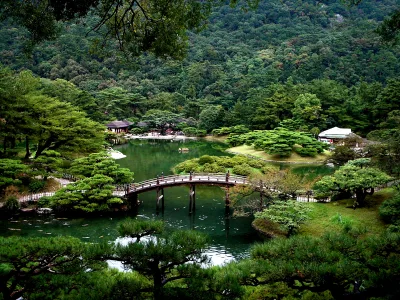 Ritsurin Garden
A lord's garden built over 100+ years for the Matsudaira of Takamatsu: six ponds and 13 hills below Mount Shiun, with a new view at every step.
Ritsurin Garden
A lord's garden built over 100+ years for the Matsudaira of Takamatsu: six ponds and 13 hills below Mount Shiun, with a new view at every step.
-
2
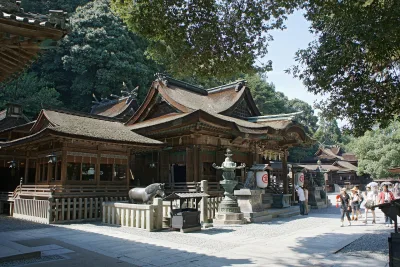 Kotohira-gu Shrine (Konpira-san)
Known as Konpira-san, this Kotohira shrine honours a guardian of the sea; climbing its 785 stone steps to the main hall is the experience itself.
Kotohira-gu Shrine (Konpira-san)
Known as Konpira-san, this Kotohira shrine honours a guardian of the sea; climbing its 785 stone steps to the main hall is the experience itself.
-
3
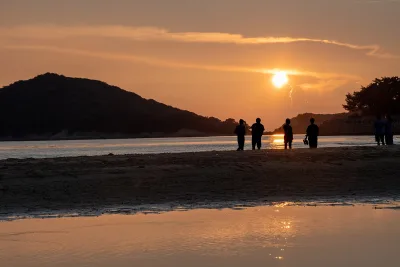 Chichibugahama Beach
A beach in Mitoyo, Kagawa, where tide pools left at low tide mirror the evening sky, famous for photos that look like Bolivia's Uyuni salt flat.
Chichibugahama Beach
A beach in Mitoyo, Kagawa, where tide pools left at low tide mirror the evening sky, famous for photos that look like Bolivia's Uyuni salt flat.
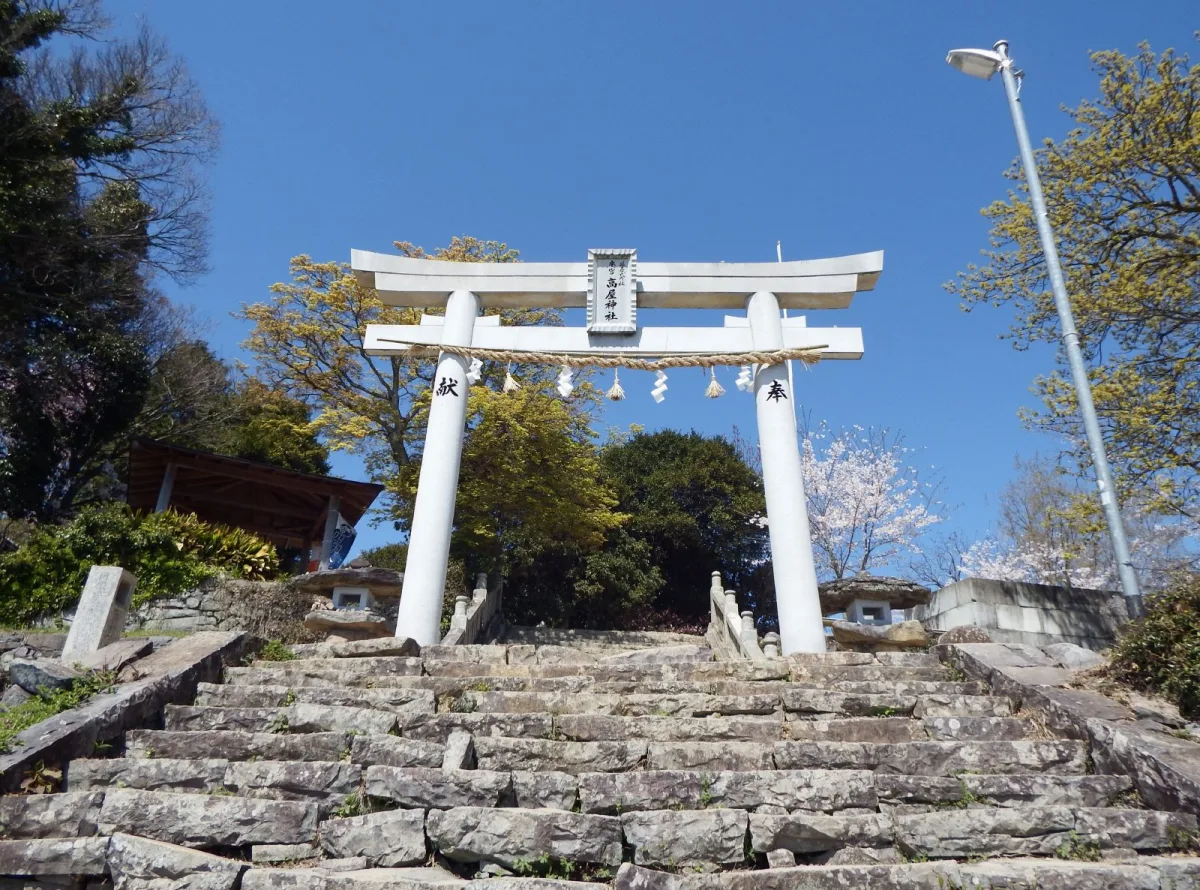

A coast facing many islands
Kagawa occupies the northern tip of Shikoku and is Japan's smallest prefecture by area. Its capital, Takamatsu, faces the Seto Inland Sea, and the islands are so close that a ferry trip feels like a natural extension of a day in the city. Shodoshima has olive groves and a rocky interior, and Naoshima is known for contemporary art. The sea here is not just a backdrop: for centuries, people, goods and ideas have travelled between its shores.
On the mainland, Ritsurin Garden offers another way to read the landscape. Its paths pass ponds and carefully shaped pines, and Mount Shiun serves as what garden designers call shakkei ("borrowed scenery"), drawing a real mountain into the composed view. The garden belonged to the lords of the Takamatsu domain before it opened to the public in the 19th century. Further west, Marugame Castle's steep stone walls and surviving wooden keep tell another side of Kagawa's history.
The road to Konpira-san
Sanuki is the old provincial name for the area now called Kagawa. You will see it attached to local traditions, udon among them, but Kotohira-gu shrine shows how far the region's name and reputation once travelled. Affectionately known as Konpira-san, the shrine is associated with protection at sea. To reach the main hall, you climb 785 stone steps, passing the shops and restaurants of Kotohira.
In the Edo period, travel by ordinary people was restricted, but pilgrimages here were allowed. Those who could not go sometimes entrusted their prayers to a dog that made the journey in their place. It is a story worth remembering as you climb the steps: today's lively approach grew out of generations of people who treated the pilgrimage as an important journey, not just a stop between sights.
Why udon matters
Kagawa's most famous dish is Sanuki udon, thick wheat noodles prized for their springy koshi (firm, chewy texture). The local tourism association links the tradition to conditions suited to growing wheat and to the region's long history of producing salt, soy sauce and the ingredients for dashi (stock). Start with a bowl topped only with soy sauce to taste the noodles themselves, then try a different style at another shop. Eating udon here is less about finding the definitive bowl than discovering how each shop treats the same familiar food.
There is plenty to enjoy beyond udon. Honetsukidori is seasoned chicken thigh served on the bone. On Shodoshima, olives, somen (thin wheat noodles) and soy sauce are long-standing specialities. In the island's Hishio no Sato ("home of soy sauce") area, dark wooden buildings and the smell of brewing tell of makers who still ferment soy sauce in kioke (large wooden barrels). Kagawa also raises hamachi (yellowtail) on feed that includes olive leaves. These foods make the islands' farming and maritime life as clear on the table as they are on the map.
Art, fans and Sanuki hospitality
Naoshima's museums and outdoor works invite visitors to look at the island around the art, too. In the Honmura district, the Art House Project turned old houses into artworks tied to the district's history. Art projects have spread to other Seto Inland Sea islands, with residents taking part in works made for their places. Leave time to notice the settlements and coastline between the works.
Marugame has a different handcraft tradition: uchiwa, flat hand-held fans whose handle and ribs are made by splitting a single piece of bamboo. Uchiwa were once souvenirs for pilgrims visiting Kotohira-gu, and craftspeople still demonstrate the technique. If you want a little local language, look for "oidemai", a gentle invitation meaning "please come" in Sanuki dialect, which was chosen as the name of a rice variety grown in Kagawa. So a bag of rice carries a welcome along with its product name.
The changing colours of coast and garden
In spring, cherry blossoms bloom around Ritsurin Garden and Marugame Castle. In summer, swimmers gather at beaches on the Seto Inland Sea, and Japanese irises, lotuses and water lilies bloom on Ritsurin Garden's ponds. The garden's many evergreen pines remain a constant through all these changes.
Autumn is an especially good season for comparing mainland and island scenery: leaves change colour around Ritsurin Garden's ponds and across Kankakei, in Shodoshima's mountainous interior. Winter is generally mild along the coast, though snow can fall at Kankakei. At Ritsurin Garden, camellias and plum blossoms add colour before the spring cherry blossoms return. Kagawa does not have just one seasonal view; within a single trip you can move from a protected garden to an open coastline and on to a cooler gorge.
Arrive, then cross the water
The usual rail route is to take the shinkansen (bullet train) to Okayama, then change to a train that crosses the Seto Ohashi Bridge to Takamatsu. Flights arrive at Takamatsu Airport. Takamatsu makes a practical base because its station and ferry terminal are close together, and boats link it with islands such as Naoshima, Teshima and Shodoshima.
Plan the mainland and the islands as separate parts of your trip. Trains are useful for linking Kagawa's cities and towns, and ferries are essential for visiting the islands. Shodoshima is bigger than it looks from the sea, and the island's tourism guide recommends buses, rental cars or bicycles for getting between sights. Choosing one island, or one area of the mainland, at a time leaves room for the walks, meals and boat trips that make Kagawa what it is.
Sources
- Kagawa | Shikoku | Destinations | Travel Japan - Japan National Tourism Organization (Official Site)
- Discover Kagawa | VISIT KAGAWA
- Ritsurin Garden – A Scenic Stroll Through History | Travel Ideas | VISIT KAGAWA
- Marugame Castle | See & Do | VISIT KAGAWA
- Kotohiragu Shrine | See & Do | VISIT KAGAWA
- Delicacies of Kagawa | Travel Ideas | VISIT KAGAWA
- Soy Sauce Village | See & Do | VISIT KAGAWA
- Islands of Art: World-class Contemporary Art on Naoshima, and Beyond | Travel Ideas | VISIT KAGAWA
- Uchiwa no Minato Fan Museum | See & Do | VISIT KAGAWA
- さぬき米おいでまい|香川県
- Kankakei Gorge | See & Do | VISIT KAGAWA
- Access | VISIT KAGAWA
- Shodoshima Island | See & Do | VISIT KAGAWA
- Setouchi Islands | Kagawa | Shikoku | Destinations | Travel Japan - Japan National Tourism Organization (Official Site)