Okayama
Okayama runs from the sunny Seto Inland Sea coast to snowy northern mountains, with ancient Kibi history, orchards and working craft towns.
Map outlines: Natural Earth
-
1
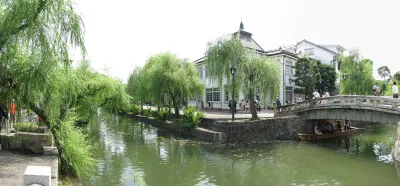 Kurashiki Bikan Historical Quarter
A historic quarter of Kurashiki, Okayama, with white-walled storehouses along a willow-lined canal, and Japan's first private museum focused on Western art.
Kurashiki Bikan Historical Quarter
A historic quarter of Kurashiki, Okayama, with white-walled storehouses along a willow-lined canal, and Japan's first private museum focused on Western art.
-
2
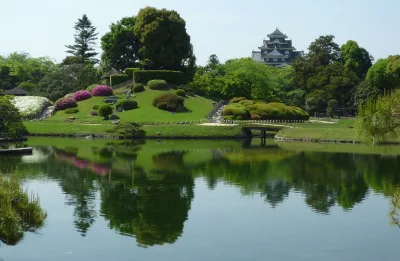 Okayama Korakuen Garden
An Edo-period lord's garden and one of Japan's three great gardens: wide lawns, ponds, Okayama Castle beyond, and even tea fields, rice paddies and cranes.
Okayama Korakuen Garden
An Edo-period lord's garden and one of Japan's three great gardens: wide lawns, ponds, Okayama Castle beyond, and even tea fields, rice paddies and cranes.
-
3
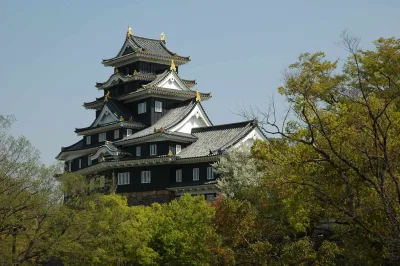 Okayama Castle
Okayama's symbol, nicknamed "Crow Castle" for its black walls. Revamped in 2022, it tells samurai-era stories and gives a view over the city from the top.
Okayama Castle
Okayama's symbol, nicknamed "Crow Castle" for its black walls. Revamped in 2022, it tells samurai-era stories and gives a view over the city from the top.
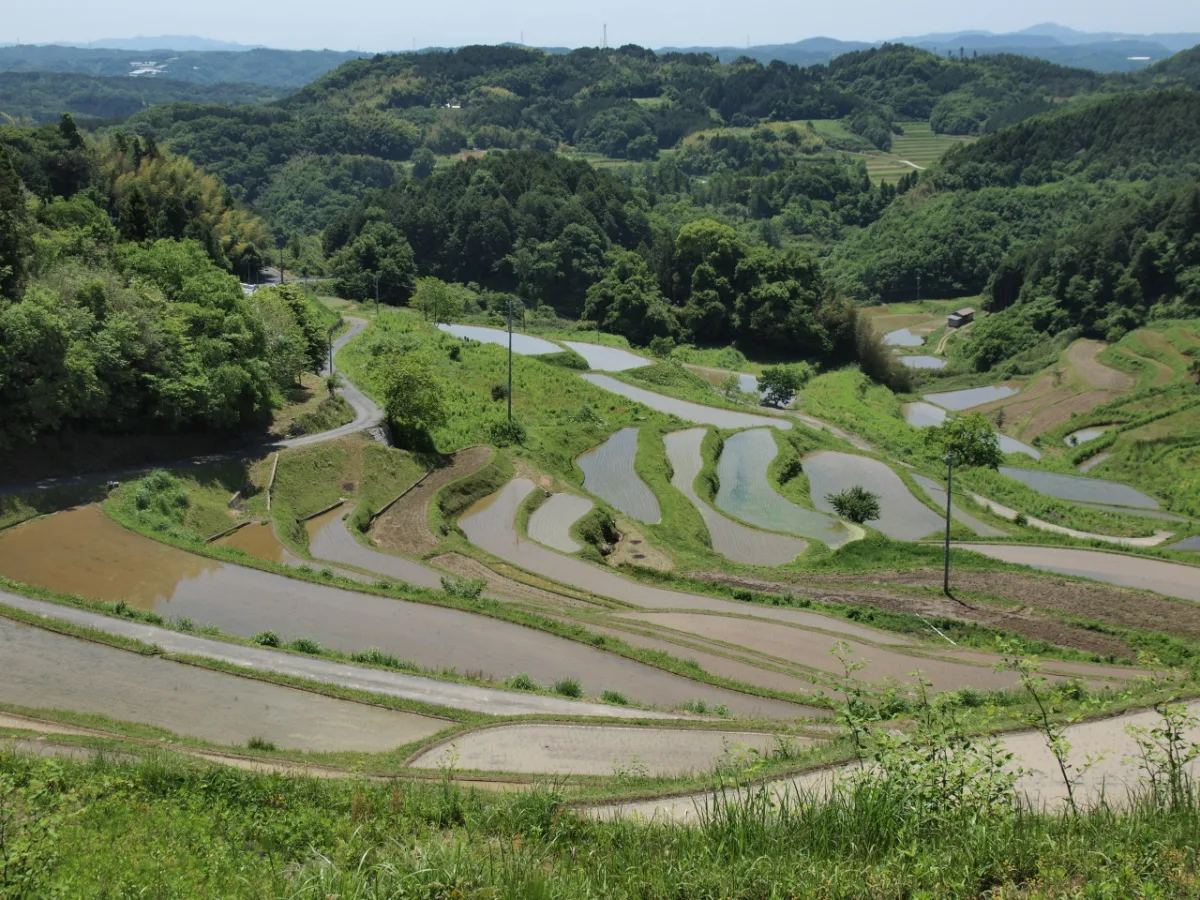

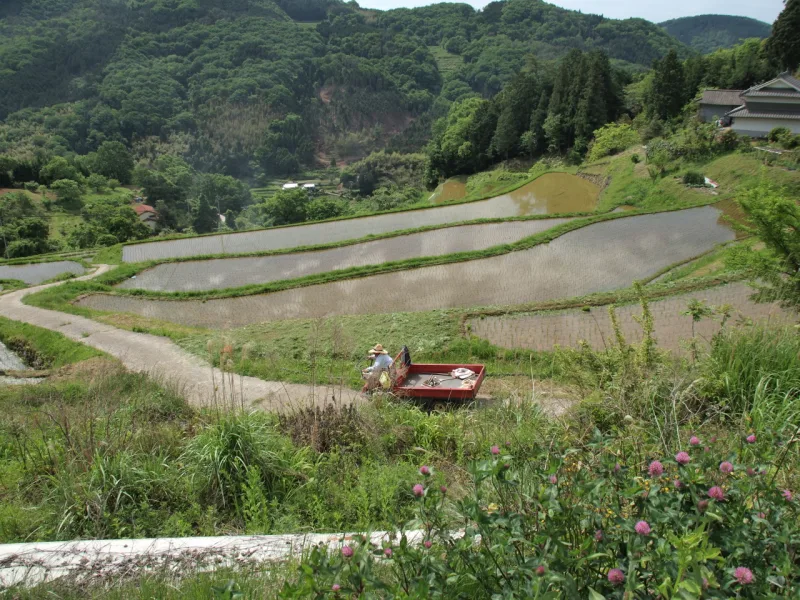

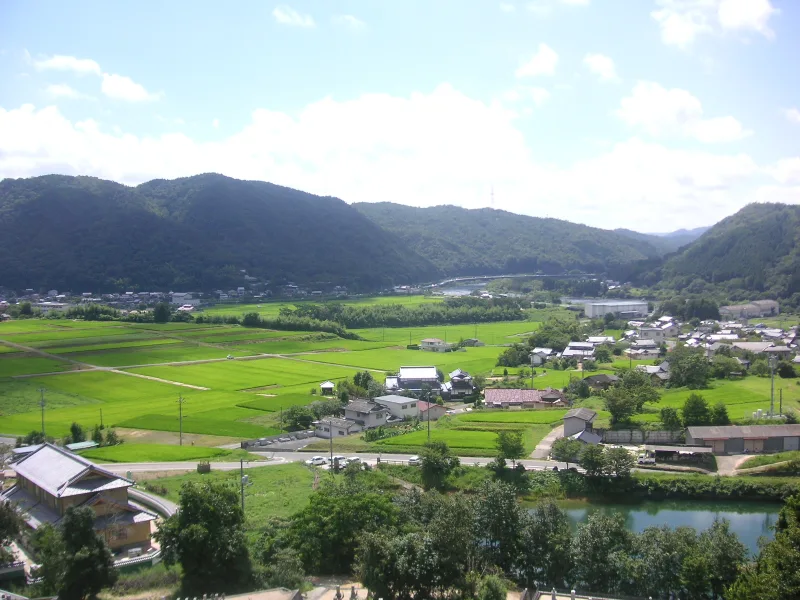

From the inland sea to mountain country
Okayama is often called "the Land of Sunshine" (Hare no Kuni), but its landscape is more varied than the nickname suggests. In the south, plains meet the Seto Inland Sea, a calm sea dotted with islands. Head inland and the land rises through the hills of the Kibi Plateau to the Chugoku Mountains and their basins. The Yoshii, Asahi and Takahashi rivers flow down from the north, linking these different parts of the prefecture.
With that variety, it is worth looking beyond Okayama City. Ushimado offers views across the inland sea, Hiruzen has highland scenery, and the northern valleys feel completely different from the coast. Hot spring towns such as Yubara and Okutsu are also in the north. A trip here can move from a coast facing the islands to mountain views without ever leaving the prefecture.
Kibi stories and towns built to last
Long before Okayama Prefecture existed, this area was the heartland of the ancient Kibi culture. One story still closely tied to the region is Momotaro (the Peach Boy), who sets off to defeat oni (ogres). The link is cherished locally, but it is best understood as folklore rather than a claim that the tale actually happened in a particular place.
In Okayama City, the black exterior of Okayama Castle makes a striking pair with Korakuen, the garden across the river. Kurashiki tells another side of the story: its Bikan historical quarter keeps the canals and white-walled storehouses of its days as a merchant town. These are not the prefecture's only historical threads. Around Kojima, denim manufacturing gives the area a modern manufacturing identity, while Bizen-yaki (Bizen pottery) carries on a much older ceramic tradition. Together, these places show that Okayama has been shaped as much by trade and craft as by castles and legends.
Peaches, seafood and celebration rice
Okayama's fruit reputation starts with white peaches and grapes. Peach farmers wrap the fruit in bags as it ripens on the tree, and local grapes include muscat varieties. In the harvest season you may be able to enjoy the fruit fresh, in sweets or at the orchards. Kibi dango, small sweets made from glutinous rice, are an instantly recognisable souvenir thanks to their link with the Momotaro story.
For a meal with a stronger sense of place, look for Okayama barazushi. Barazushi means "scattered sushi": seafood from the Seto Inland Sea and seasonal vegetables arranged over seasoned rice. It has traditionally been a dish for festivals and celebrations. Oysters are another seaside ingredient, and one local way to eat them is in okonomiyaki (a savoury pancake-like dish). The contrast between orchard fruit and seafood says a lot about how the prefecture's sunny plains and inland sea coast shape what ends up on the table.
Local words and a familiar hero
Listen out not only for the standard Japanese that travellers may have learned, but also for Okayama-ben, the local dialect. A guide to everyday words produced by the prefecture lists "bokkee" as a way of saying something is amazing or really impressive. It also explains that "jaken" can mean "because". You do not need to use either word yourself; just hearing conversations take on a local rhythm is part of the fun.
Momotaro is a familiar figure to local people too. The name belongs to a folk tale, is used in the name of the airport and is linked with the kibi dango sold as sweets. That familiarity points to a useful distinction for travellers: Okayama's "peach" identity is agricultural, in its orchards, and at the same time cultural, in a story told all over Japan.
A year that shifts from coast to highland
In spring, cherry blossoms bloom along the Asahi River in Okayama City, followed by fresh green leaves at Korakuen. Summer is fruit season, especially for peaches, with grapes continuing into autumn. The coast gets plenty of sunny days, but that does not mean everywhere in Okayama feels the same all year round.
Autumn is good for walking among the autumn leaves, whether in the gardens or deep in the mountain valleys. Winter shows the difference between north and south most clearly: snow is rare in Okayama City and Kurashiki, while in the north you may see snowy scenery. There, soaking in an onsen (Japanese hot spring) offers a different pleasure from a walk by the sea. If you are planning around a particular kind of scenery rather than a city, the season and the part of the prefecture matter equally.
Making Okayama your base
Okayama Station is a convenient starting point. The shinkansen, Japan's high-speed railway, links it with cities including Osaka, Kyoto, Hiroshima and Tokyo, and the prefecture also has an airport and highway bus routes. From the station, conventional trains and buses reach other parts of Okayama, including Kurashiki and the northern cities.
Rather than treating Okayama as just a rail stopover, leave room in your itinerary. In Okayama City, the garden and the castle make a natural pairing, and Kurashiki rewards time spent walking among its canals and old buildings. If you plan to visit the highlands, the valleys or several stops far apart from each other, consider whether a rental car suits your route. Okayama's location also makes onward travel to Shikoku smooth.