Shiga
Shiga revolves around Lake Biwa: fishing villages, merchant towns, old temples and pottery kilns share one landscape ringed by mountains.
Map outlines: Natural Earth
-
1
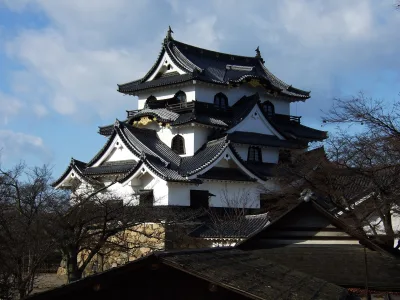 Hikone Castle
One of five National Treasure castles, its early Edo keep still stands by Lake Biwa, with turrets, moats, a lord's garden and old town to explore.
Hikone Castle
One of five National Treasure castles, its early Edo keep still stands by Lake Biwa, with turrets, moats, a lord's garden and old town to explore.
-
2
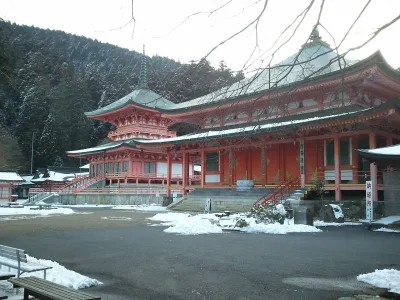 Enryaku-ji Temple (Mount Hiei)
Head temple of Tendai Buddhism atop Mount Hiei, between Kyoto and Shiga. During renovation, you can see its 1,200-year-old Eternal Light up close.
Enryaku-ji Temple (Mount Hiei)
Head temple of Tendai Buddhism atop Mount Hiei, between Kyoto and Shiga. During renovation, you can see its 1,200-year-old Eternal Light up close.
-
3
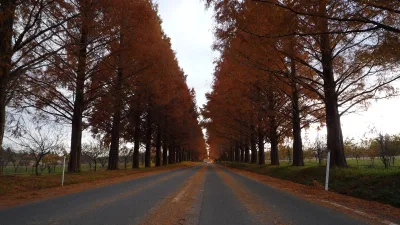 Makino Pick Land
A farm park in Makino, Takashima (Shiga) with seasonal fruit picking and a dead-straight 2.4km avenue of about 500 metasequoias that turn russet in autumn.
Makino Pick Land
A farm park in Makino, Takashima (Shiga) with seasonal fruit picking and a dead-straight 2.4km avenue of about 500 metasequoias that turn russet in autumn.



A prefecture shaped by Lake Biwa
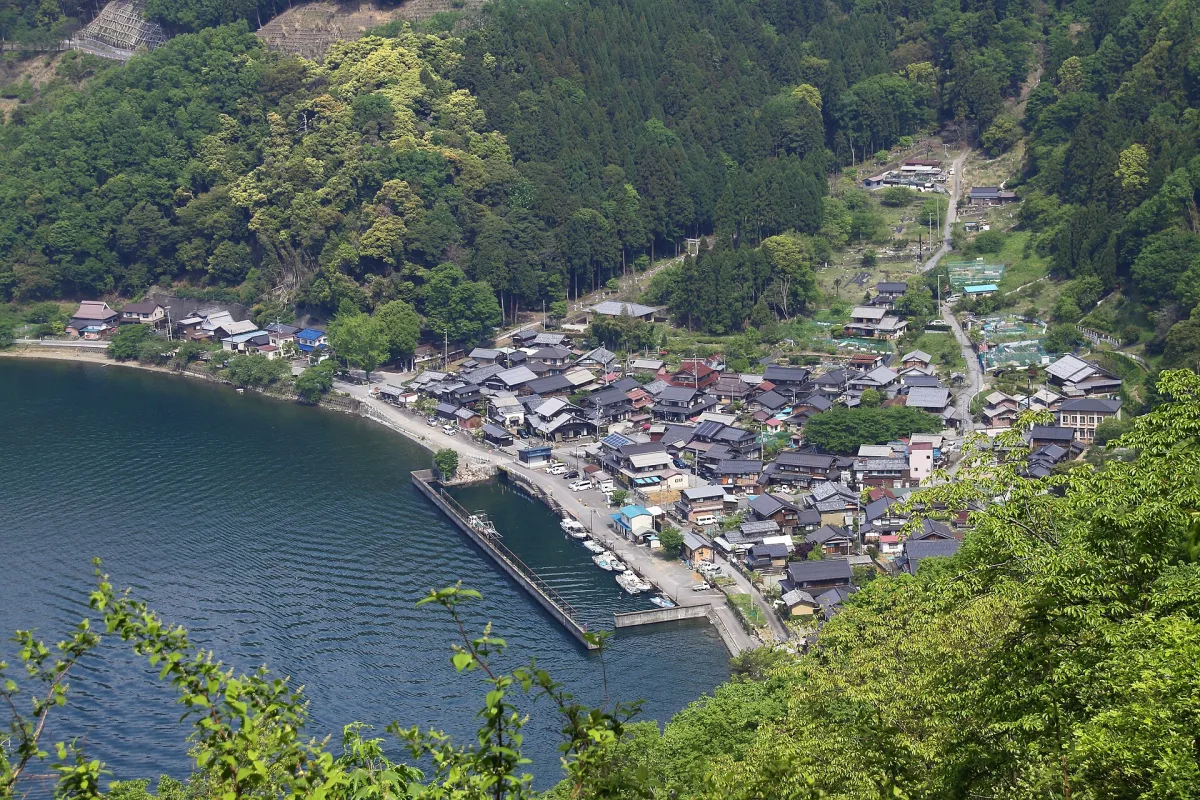
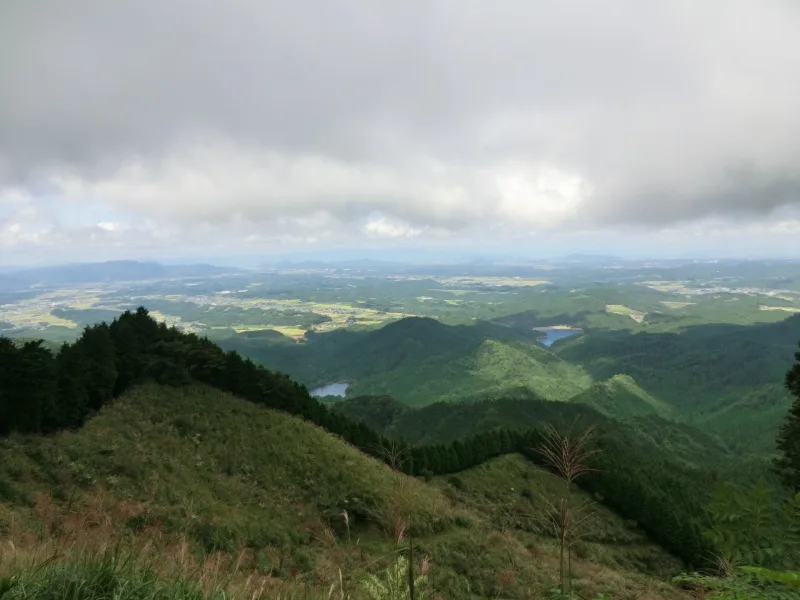
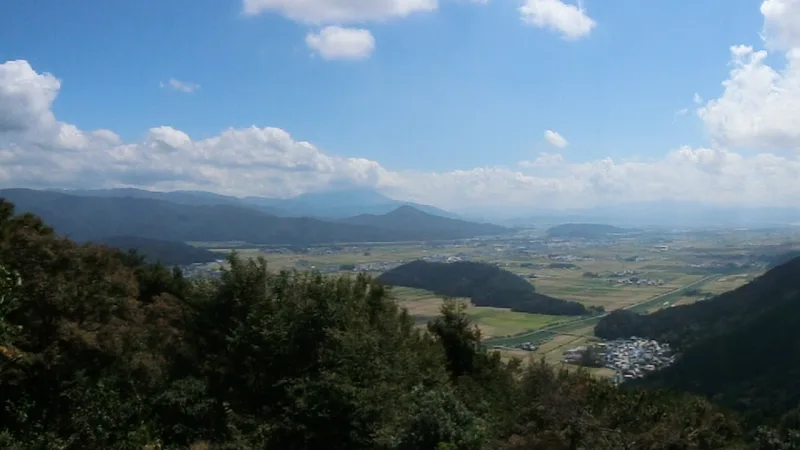
Lake Biwa is not just one of the places to visit in Shiga; it defines the very shape of the prefecture. Japan's largest freshwater lake sits inside a ring of mountains, with rivers carrying water down through forests and farmland. The shoreline changes as you move around it. Around Otsu in the south it is more urban, while in the north there are rocky stretches where the mountains come right down to the water. In places, the far shore feels surprisingly distant.
The lake's long history has allowed plants and animals found nowhere else to evolve here. It has shaped people's lives too. Fishing, rice growing and forest care are all linked through the flow of water, and fish from the lake are still part of the local cooking. Even a short walk along the shore makes it clear why residents talk about the lake as part of everyday life rather than just a view.
Castles, merchants and a mountain temple
Shiga's old name is Omi. Its towns prospered because they sat on the routes linking eastern Japan with Kyoto, and the waterways around Lake Biwa carried trade as well. In Omi-Hachiman, the Hachiman-bori canal and the preserved streets recall the merchants who worked here. Inland at Gokasho, grand old residences tell a related story. The Omi merchants built businesses far from home while keeping strong ties to where they came from.
Their ideal is often called sanpo-yoshi ("good for three sides"): a deal should benefit the seller, the buyer and society. It is a useful idea for understanding why the merchant history here includes not only fine houses but also support for public works such as roads. Elsewhere, Hikone Castle looks out over the eastern shore and still keeps its early 17th-century keep. In Otsu, Enryaku-ji temple on Mount Hiei shows another side of Shiga's past: it became a major centre of Japanese Buddhism. These places are all different, but each grew out of the routes around the lake and Shiga's long connection with them.
What the lake and the kilns produce
Perhaps Shiga's most distinctive flavour is funazushi: crucian carp from Lake Biwa packed with rice and left to ferment. It is an old form of sushi with a strong sourness and aroma, and is traditionally served on celebratory occasions. You do not have to start there to get a taste of the lake: local dishes also use Biwa trout (biwamasu), small ayu (sweetfish) and freshwater shrimp. The rice from the surrounding paddies is part of the same food story. Away from the water, Omi beef is a long-standing speciality known for its marbling (sashi).
If you are looking for something to take home rather than eat, turn to Shigaraki in southern Shiga. Its potters have made wares for centuries, from practical jars to tea ceremony utensils and contemporary ceramics. You will also notice round-bellied ceramic tanuki (the Japanese raccoon dog) standing outside workshops and shops. They are playful ornaments, but Shigaraki pottery is far broader than tanuki statues. At the Ceramic Cultural Park (Togei no Mori), older works and contemporary makers are presented side by side, as if in conversation.
A year of flowers, boats and festivals
In spring, cherry blossoms bloom at lakeside spots such as Kaizu-Osaki, where cherry trees line the northern shore. Spring is also when the Nagahama Hikiyama Festival takes place. Hikiyama are decorated festival floats, and in Nagahama children perform kabuki (traditional Japanese theatre) on top of them. In Omi-Hachiman, the Sagicho Festival is held in spring. Festivals are a reminder that these towns are living communities, not just collections of historic buildings.
Summer draws people to Lake Biwa to swim, paddle and sail, and fireworks over the lake add to the season. Autumn makes strolling through temple grounds especially appealing, and at the Otsu festival decorated floats and karakuri (mechanical puppets) roll through the streets. Winter has a different mood, particularly in the snowier mountains of the north and west, where people go skiing and snowboarding. Shiga visibly changes with the seasons, so a July day by the lake and a January visit to a northern town show you quite different sides of it.
Arriving, and getting around
Many travellers enter Shiga from Kyoto. The JR Biwako Line runs to Otsu and on along the eastern side of the lake, while the JR Kosei Line follows the western shore. Maibara is Shiga's stop on the Tokaido Shinkansen, Japan's high-speed railway, and a handy base for exploring the northeast. By rail, it is easier to pick one area of the prefecture per day than to try to circle the whole lake at once.
On the ground, the size of Lake Biwa matters. Buses are useful for places away from the stations, and boats let you see the shore and islands from a different angle. Rental bicycles are available in Gokasho. Keen cyclists may know Biwaichi, the cycling route around Lake Biwa, but you do not need to ride the whole loop. Choose a short section and you can linger by the water or stop at any town that catches your eye. For inland destinations such as Shigaraki, allow for train changes and bus connections.
Sources
- What kind of lake is Lake Biwa?|滋賀県
- Lake Biwa System|滋賀県
- Shiga | Kansai | Destinations | Travel Japan - Japan National Tourism Organization (Official Site)
- Omihachiman | Shiga | Kansai | Destinations | Travel Japan - Japan National Tourism Organization (Official Site)
- [03] NIPPONIA Gokasho Omi Merchants’ Town (Higashiomi City) / Stay and Discover Shiga’s Historical R|滋賀県
- Hikone | Shiga | Kansai | Destinations | Travel Japan - Japan National Tourism Organization (Official Site)
- Otsu | Shiga | Kansai | Destinations | Travel Japan - Japan National Tourism Organization (Official Site)
- 鮒寿し~Funazushi,鲫鱼寿司,鯽魚壽司,후나즈시~|滋賀県
- 湖魚~Lake Fish,湖鱼,湖魚,호수 생선~|滋賀県
- The Shigaraki Ceramic Cultural Park | Travel Japan - Japan National Tourism Organization (Official Site)
- Kaizu Osaki | Travel Japan - Japan National Tourism Organization (Official Site)
- Shiga’s Must-See Traditional Events, Festivals, and Celebrations | Explore Shiga Japan Official Travel Guide
- How to Get to Shiga from Kyoto, Osaka, and Beyond | Explore Shiga Japan Official Travel Guide
- Shiga Transportation Options for Getting Around | Explore Shiga Japan Official Travel Guide
- What is “Sanpo-yoshi”? | Travel Stories | Explore Shiga Japan Official Travel Guide