Okinawa
Subtropical islands that were once an independent kingdom, with coral seas, gusuku castles, sanshin music and food known as 'medicine for life'.
Map outlines: Natural Earth
-
1
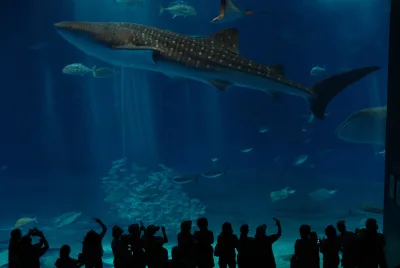 Okinawa Churaumi Aquarium
A northern Okinawa aquarium famous for its Kuroshio Sea tank, where whale sharks and giant manta rays swim: all of Okinawa's sea in one place.
Okinawa Churaumi Aquarium
A northern Okinawa aquarium famous for its Kuroshio Sea tank, where whale sharks and giant manta rays swim: all of Okinawa's sea in one place.
-
2
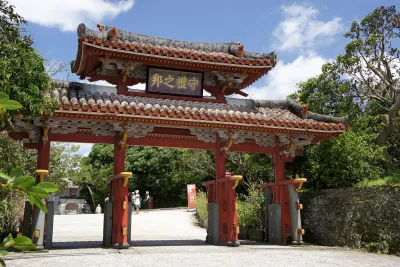 Shuri Castle Park
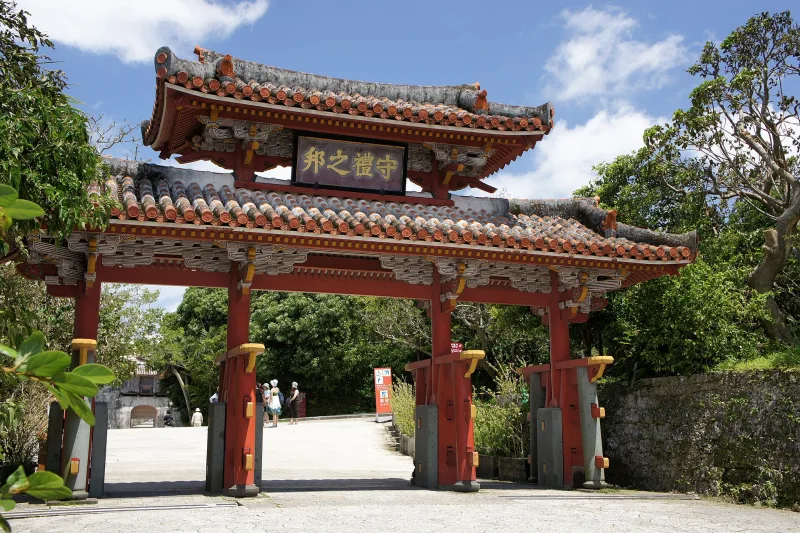
For about 500 years the royal castle of the Ryukyu Kingdom. Its main hall, lost to fire in 2019, is rebuilt and opens to the public on 23 November 2026.
Shuri Castle Park
For about 500 years the royal castle of the Ryukyu Kingdom. Its main hall, lost to fire in 2019, is rebuilt and opens to the public on 23 November 2026.
-
3
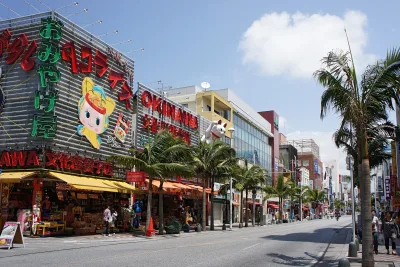 Kokusai-dori (Kokusai Street)
Naha's main street, born from the ruins after the war and nicknamed the "Miracle Mile": about 1.6 km lined with some 600 souvenir shops, restaurants and more.
Kokusai-dori (Kokusai Street)
Naha's main street, born from the ruins after the war and nicknamed the "Miracle Mile": about 1.6 km lined with some 600 souvenir shops, restaurants and more.
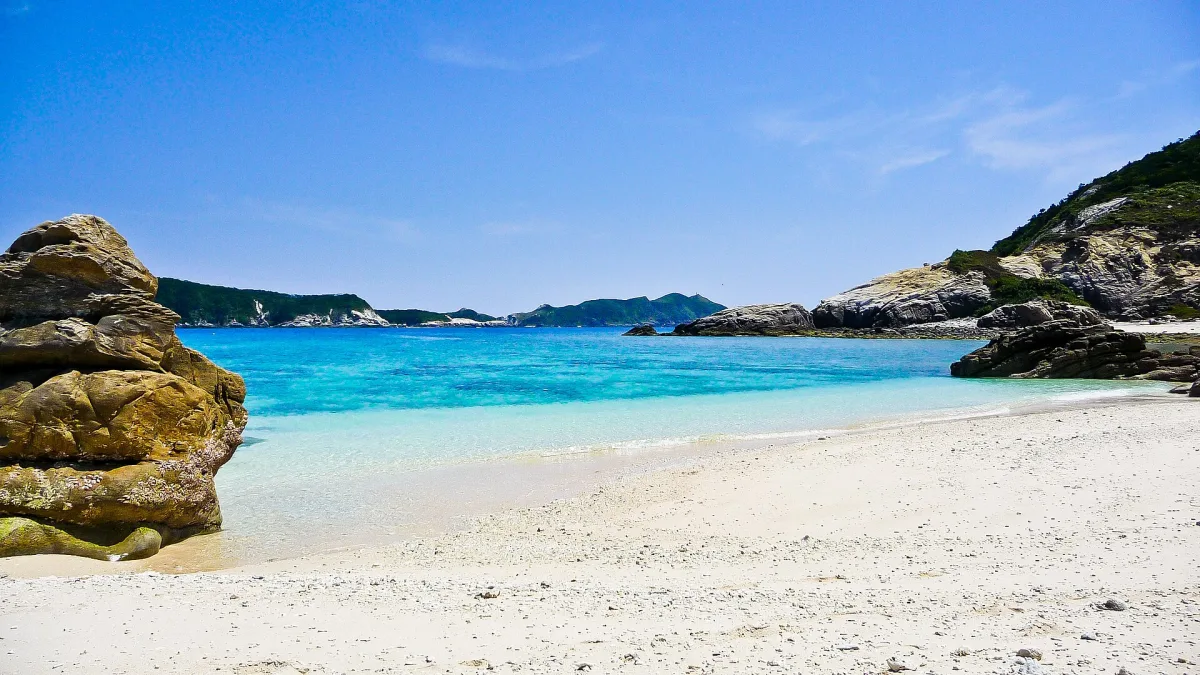


Japan's subtropical islands
Okinawa is Japan's southernmost prefecture. It is made up of about 160 islands, around 40 of them inhabited, scattered between the Pacific Ocean and the East China Sea. The islands stretch about 1,000 km from east to west and about 400 km from north to south, and they lie about 1,600 km from Tokyo. The prefectural capital is Naha. It is the only part of Japan with a subtropical climate, with an average annual temperature of about 23°C.
Besides the main island, there are four island groups, Kume, Kerama, Miyako and Yaeyama, including islands such as Zamami, Tokashiki, Ishigaki, Iriomote and Yonaguni. Known for coral reefs, sandy beaches and subtropical forest, Okinawa receives more than 10 million visitors a year.
From three kingdoms to the Ryukyu Kingdom
Okinawa's history is different from that of mainland Japan. From around the 12th century, local strongmen called aji built stone fortresses known as gusuku, and by the 14th century three rival kingdoms stood side by side. In 1429 Sho Hashi united them to found the Ryukyu Kingdom, with Shuri as its capital. The kingdom traded with China, mainland Japan, Korea and Southeast Asia. A bell cast in 1458, the Bankoku Shinryo no Kane, describes the kingdom as 'a bridge between all nations'.
In 1609 the Satsuma (Shimazu) clan invaded, and in 1879 the kingdom became Okinawa Prefecture. The Battle of Okinawa in 1945 left about 200,000 people dead or wounded, and the islands remained under American administration until 1972. Nine gusuku and royal sites on the main island, including Shuri Castle and the royal tombs of Tamaudun, are registered as a UNESCO World Heritage Site. Shuri Castle, which blends Chinese and Japanese styles, was badly damaged by fire in 2019, so check the official website for the current state of its reconstruction.
Karate, sanshin and champuru culture
Okinawa is the birthplace of karate. Its music is carried by the sanshin, a long-necked three-stringed instrument once covered with snakeskin, and eisa dancing is a highlight of summer. The islands have more than ten traditional dyeing and weaving techniques, including the vividly coloured bingata, as well as Ryukyu glass, which began to be made from recycled bottles in the 19th century.
Locals describe their culture with the word champuru ('mixed together'): island traditions blended with influences from mainland Japan, other parts of Asia and the United States. The Ryukyuan languages are called shimakutuba, the home languages handed down through the generations, and Uchinaaguchi is also used as a name for the local language.
Food as medicine for life
Okinawa is one of the world's 'Blue Zones', where people live exceptionally long lives, and its cooking draws on tropical fruit, island vegetables, meat and seafood. Try goya champuru (goya, or bitter melon, stir-fried with egg, tofu and Spam), soki soba (noodles topped with pork spare ribs) and shikuwasa, a tart local citrus rich in vitamin C. Awamori, the local distilled spirit, is made from long-grain rice and aged in earthenware pots. The islands also make mineral-rich kokuto (brown sugar) from locally grown sugar cane.
Seasons: long summers, mild winters and the typhoon question
Summers are long, hot and humid; winters are mild, though a sweater can be welcome when the north wind blows. Many beaches are open for swimming from March, and beach-opening ceremonies are held in spring. The rainy season usually runs from mid-May to late June, but it brings mostly sudden showers rather than rain that lasts all day. Typhoons can come from early summer to autumn, so build flexibility into your plans if you travel then. Once the early-autumn typhoons have passed, the humidity drops and it becomes a good time for sightseeing.
In winter, Japan's earliest cherry blossoms bloom from late January, and humpback whale watching peaks from January to March. Autumn is festival season, with events such as the Naha Great Tug-of-War.
Getting there and getting around the islands
Most people arrive by air at Naha Airport on the main island. There are many flights from Tokyo and other cities in Japan, as well as direct flights from major cities in Asia. Ishigaki and Miyako also have their own airports. On the main island, the Yui Rail monorail runs from the airport through Naha to Shuri; elsewhere you can get around by bus or hire car. The outlying islands are linked by ferries and short flights, and ferry services depend on the weather.
Sources
- Okinawa at a Glance | Visit Okinawa Japan (official)
- Overview of Okinawa History | Visit Okinawa Japan
- Traditional Culture | Visit Okinawa Japan
- Food and Longevity | Visit Okinawa Japan
- When to Visit: Climate & Seasons | Visit Okinawa Japan
- Getting to Okinawa | Visit Okinawa Japan
- Getting Around Okinawa | Visit Okinawa Japan
- Okinawa | Travel Japan (JNTO)
- Gusuku Sites of the Kingdom of Ryukyu | Travel Japan (JNTO)
- Okinawa Prefecture - Wikipedia