Yamanashi
Yamanashi pairs Mount Fuji's lakes with a mountain-ringed fruit-growing basin, where wine, hearty noodles and local history shape the trip.
Map outlines: Natural Earth
-
1
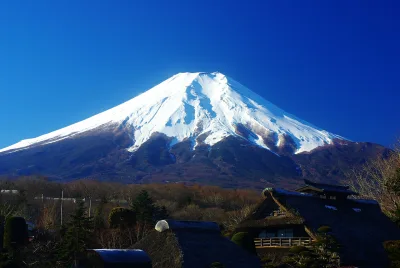 Oshino Hakkai
Eight ponds fed by Mount Fuji's snowmelt, which filters underground for decades before welling up crystal clear. Fuji pilgrims once purified themselves here.
Oshino Hakkai
Eight ponds fed by Mount Fuji's snowmelt, which filters underground for decades before welling up crystal clear. Fuji pilgrims once purified themselves here.
-
2
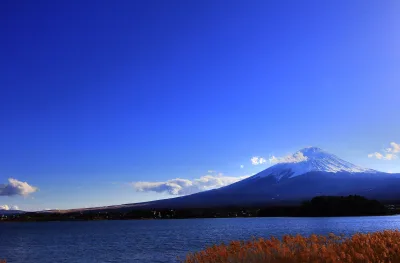 Oishi Park
A flower park on the north shore of Lake Kawaguchi facing Mount Fuji. Lavender in early summer and red kochia in autumn frame the lake and the mountain.
Oishi Park
A flower park on the north shore of Lake Kawaguchi facing Mount Fuji. Lavender in early summer and red kochia in autumn frame the lake and the mountain.
-
3
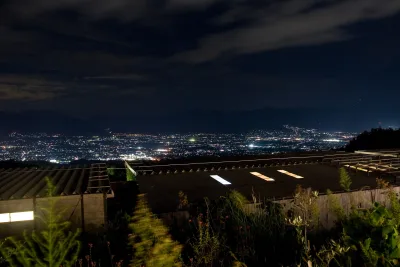 Hottarakashi Onsen
A day-trip hot spring on a hill about 700 m up over the Kofu Basin. From its open-air baths you can watch Mount Fuji, the sunrise and the city lights below.
Hottarakashi Onsen
A day-trip hot spring on a hill about 700 m up over the Kofu Basin. From its open-air baths you can watch Mount Fuji, the sunrise and the city lights below.
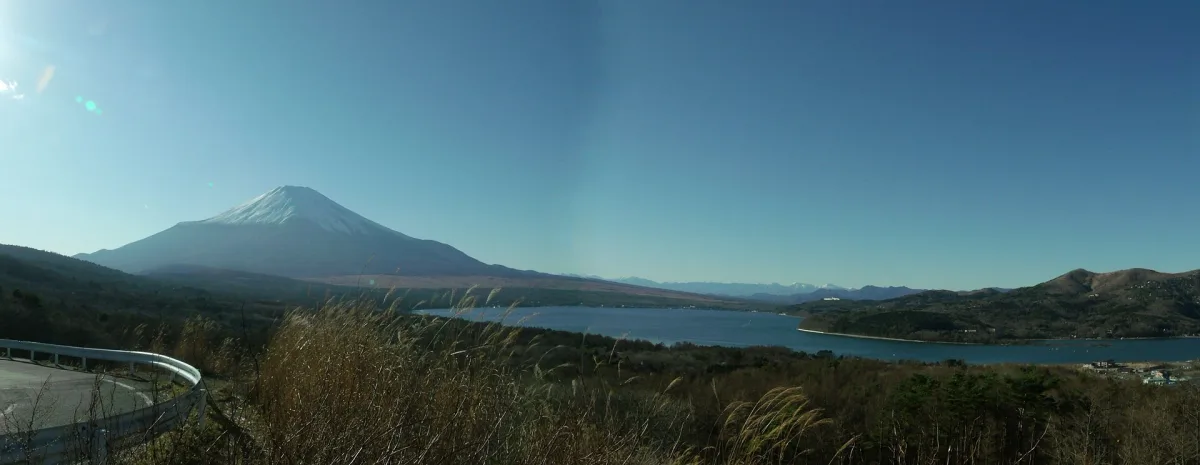

Mountains, lakes and the Kofu Basin
Yamanashi is landlocked, yet much of its scenery owes its character to water. The Kofu Basin, the broad central area around the prefectural capital, is ringed by mountains. Snow and rain that fall on the high ground soak into the earth and water the basin. The mountains also give Yamanashi long hours of sunshine and a big temperature difference between day and night, conditions that suit orchards and vineyards.
Mount Fuji rises in the south-east of the prefecture, and the Fuji Five Lakes spread across its northern foothills: Lake Yamanaka, Lake Kawaguchi, Lake Sai, Lake Shoji and Lake Motosu. From lakeside museums and water sports to quiet shores, each lake offers a different way to spend time beside the mountain. Shosenkyo Gorge, north of Kofu, shows another side of Yamanashi, with a riverside path running past granite cliffs, huge oddly shaped rocks and waterfalls. Yamanashi is worth seeing for far more than a single view of Mount Fuji.
Kai's warlord and Kofu's crafts
Yamanashi was once called Kai Province. Its best-known historical figure is Takeda Shingen, a Warring States warlord who ruled here in the 16th century. His legacy is not just tales of battle: he is also linked with the Shingen Embankment, a levee built to protect land that suffered from flooding. In Kofu, the Shingen-ko Festival, which bears his name, keeps that history visible with a procession of participants dressed as warriors.
Local crafts tell a story other than war. Kofu's jewellery making grew out of the area's history of mining crystal and working stone. The Yamanashi Jewelry Museum explains how those skills were carried on even after the local crystal deposits declined. You may also come across Koshu inden, a leathercraft tradition that decorates soft deerskin with lacquer. Objects like these round out the prefecture's well-known farming story: Yamanashi has long been a place where people make things by hand, not just grow crops.
What the basin brings to the table
Peaches and grapes are closely tied to Yamanashi, and orchards are part of the scenery around Kofu. The prefecture's winemaking history goes back to around 1870. Koshu, a grape variety long grown in Japan, is used for white wine. Vineyards and wineries give a trip to the basin a completely different rhythm from a trip to Fuji's lakes. The mountain water also supports the production of sake, the brewed drink made from Japanese rice.
For a meal, look for hōtō: wide wheat noodles simmered with vegetables in a miso-based broth. Miso is a seasoning made from fermented soybeans, and pumpkin is a common ingredient in the pot. Because hōtō is made at home as well as in restaurants, there is no single fixed version. Another local sweet is shingen mochi: soft rice cakes topped with kinako (roasted soybean flour) and kuromitsu (brown sugar syrup). It carries Shingen's name to the sweet shop rather than the battlefield.
Scenery that changes with the seasons
In spring, cherry and fruit trees blossom, and during the Shingen-ko Festival the streets of Kofu fill with a public celebration of their history. In summer, fruit picking is one of the big joys of a trip, and many people take to the water on the lakes. The Yoshida Trail, the Mount Fuji climbing route that starts on the Yamanashi side, is open for climbing in summer. Even without climbing, you can enjoy Mount Fuji from the lakes.
Autumn is the season for the grape harvest and autumn leaves. Shosenkyo is especially associated with autumn colours, but the riverside walk has a different charm in every season. In winter, attention turns to views of snow-capped Mount Fuji, onsen (hot spring baths) and warming dishes such as hōtō. Because Yamanashi packs a basin, mountain valleys and lakeshores into one prefecture, choosing a season also means choosing which part of its landscape you want to spend time in.
Getting there and moving between areas
From Tokyo, many travellers start at Shinjuku. JR Chuo Line trains stop at Kofu, making it a practical base for exploring the basin, its food and nearby Shosenkyo. Buses also run from Kofu Station to Shosenkyo. Highway buses are another way to get from the capital to Yamanashi.
For the Fuji Five Lakes, take the Chuo Line to Otsuki and change to the Fujikyu Line for Kawaguchiko, or take a highway bus from Shinjuku. From Kawaguchiko Station, local buses link the lakeside sights and the other lakes. Lake Yamanaka is easily reached from Mt. Fuji Station. Kofu and Kawaguchiko are separate starting points, so choose the one that suits the area you most want to explore. Many of the standard sightseeing routes can be covered by bus, but a car gives more flexibility for places away from the main stations.
Sources
- Yamanashi, a high quality sake-producing region blessed with sunshine and fresh mountain water/美酒美県Yamanashi
- wine/美酒美県Yamanashi
- Yamanashi | Tokai | Destinations | Travel Japan - Japan National Tourism Organization (Official Site)
- Fuji Five Lakes Area | Yamanashi | Tokai | Destinations | Travel Japan - Japan National Tourism Organization (Official Site)
- Shosenkyo Gorge | Travel Japan - Japan National Tourism Organization (Official Site)
- All About SHINGEN-KO FESTIVAL / Shingen-ko Festival
- Yamanashi Jewelry Museum | Japan‘s Local Treasures | Travel Japan (JNTO)
- 山梨の郷土料理「ほうとう」を味わえる名店をご紹介。注目のヘルシーフードを食べ比べたい!/富士の国やまなし観光ネット 山梨県公式観光情報
- Yamanashi’s Local Flavours | Discover 2 Must-Try Dishes | JNTO
- Access/Official Travel Guide Yamanashi