Tottori
Tottori runs from wind-shaped dunes on the Sea of Japan to sacred Mount Daisen, with old merchant towns, pear orchards and vivid seasons.
Map outlines: Natural Earth
-
1
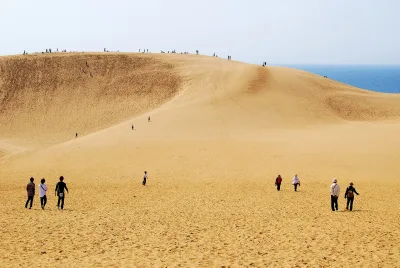 Tottori Sand Dunes
Large sand dunes along the Sea of Japan, rare in Japan. Wind-drawn ripples and the blue sea seen from a sandy ridge make a view found nowhere else.
Tottori Sand Dunes
Large sand dunes along the Sea of Japan, rare in Japan. Wind-drawn ripples and the blue sea seen from a sandy ridge make a view found nowhere else.
-
2
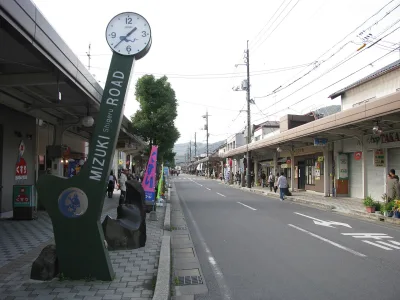 Mizuki Shigeru Road
A shopping street in Sakaiminato, hometown of GeGeGe no Kitaro creator Mizuki Shigeru: over 170 bronze yokai on 800 m, with yokai shadows at night.
Mizuki Shigeru Road
A shopping street in Sakaiminato, hometown of GeGeGe no Kitaro creator Mizuki Shigeru: over 170 bronze yokai on 800 m, with yokai shadows at night.
- 3 Mizuki Shigeru Memorial Museum A Sakaiminato museum tracing the life and work of GeGeGe no Kitaro creator Mizuki Shigeru. Rebuilt in 2024, it covers everything from his war to his yokai.
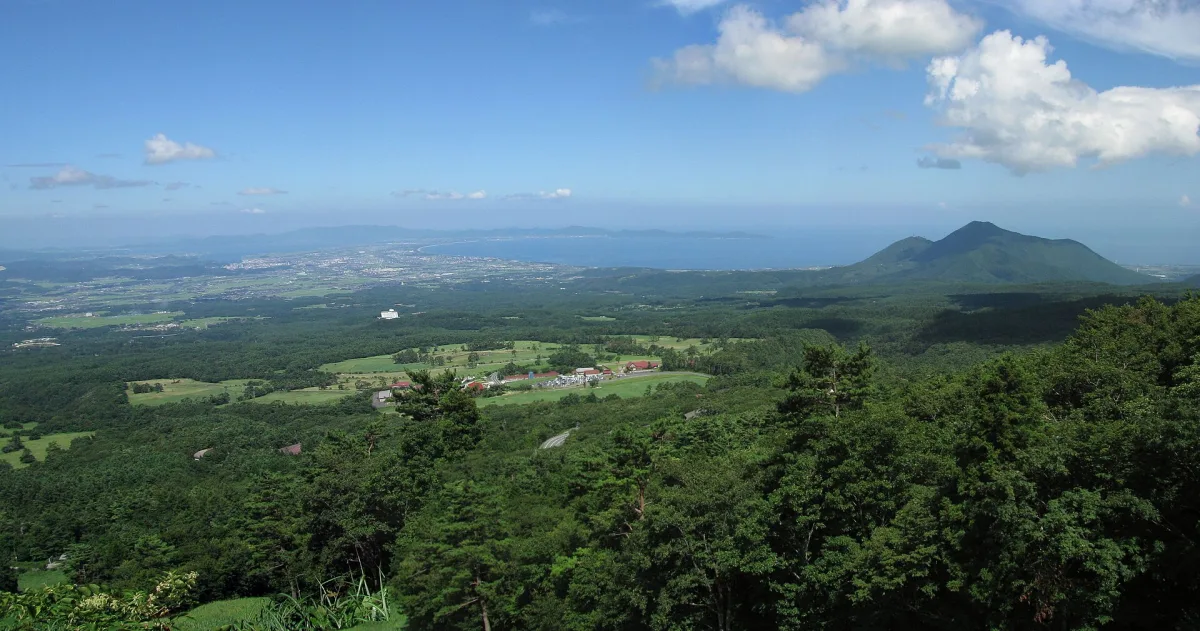

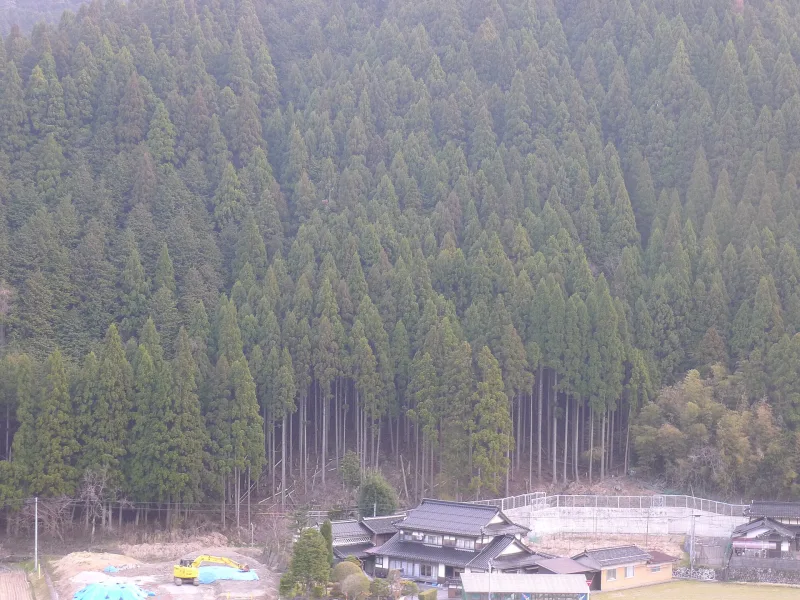

Sand, sea and mountain
Tottori faces the Sea of Japan, but its coastline never looks the same for long. Near Tottori City, the wind keeps drawing fresh ripple patterns across the Tottori Sand Dunes. Climb Uma-no-se, a ridge whose name means "horse's back", and the sea comes into view beyond the sand. Further east along the Uradome coast, the open dunes give way to islets, sea-carved caves and pale beaches. Walking along the shore lets you take in the change at an easy pace.
In the west, Mount Daisen rises over a completely different landscape. It is the highest mountain in the Chugoku region, the western part of Honshu that includes Tottori. You do not have to climb to the summit to enjoy it: trails through beech forest are another way into the mountain. The contrast between these forested highlands and the windswept coast is one reason a trip around the prefecture is so satisfying.
Places that kept their history
Tottori's old regional names still help explain its character: Inaba refers to the east, and Hoki to the west. In Kurayoshi, in central Tottori, a townscape of white-walled storehouses is preserved along the Tamagawa river. Red roof tiles and small stone bridges recall a merchant town shaped between the Edo and Meiji periods. Buildings once involved in brewing sake and soy sauce now hold shops and galleries, so the old streets remain a place to wander, not just to look at.
The mountains tell older stories of faith. Daisen-ji grew into a powerful centre of mountain worship, where practitioners trained while living simply in nature. At Mount Mitoku, a hall of Sanbutsu-ji temple is built clinging to a sheer cliff face. The climb up to it has slippery, exposed sections, making it a serious mountain outing rather than an ordinary temple stroll. Taken together, these places show how Tottori's mountains have been lived with, shaped and revered.
What land and sea bring to the table
In winter, matsuba-gani comes into season: the local name for mature male snow crab caught in the Sea of Japan. It may be served simply boiled or grilled. For an everyday taste of Tottori, try tofu chikuwa: tofu and white fish paste steamed into the familiar tube shape of chikuwa, a Japanese fish cake. These two foods tell different sides of the same coastal story: one is a seasonal feast, the other a humble food that can even be a snack.
Inland, look for Nijisseiki ("20th century") pears, crisp and juicy. In the sandy soil near the dunes, rakkyo also grows: a vegetable like a small onion, often pickled and eaten as a tangy side dish. Tottori's useful goods go beyond food. Inshu washi is locally made Japanese paper prized for writing, and Yumihama-gasuri is an indigo-dyed patterned cloth traditionally woven from local cotton. Both are worth looking out for when you browse the shops for something other than the usual food souvenirs.
Umbrellas and the local tongue
At Tottori City's summer Shan Shan Festival, dancers gather carrying decorated umbrellas. The dance grew out of the umbrella dance tradition of Inaba. "Shan shan" suggests both the ringing of bells and the sound of hot water bubbling up, a nod to the prefecture's hot springs. It is a lively expression of local custom, danced together rather than simply preserved behind glass.
If you listen closely, you may also notice the spoken language changing as you travel across the prefecture. The prefectural government has recorded different everyday expressions in the former Inaba and Hoki areas. You do not need to master local phrases to travel here, but noticing them makes the difference between east and west feel closer to home.
A different view each season
In spring, cherry blossoms bloom in Tottori. In summer, swimmers and kayakers gather on the Uradome coast, while the forests and trails around Mount Daisen offer a mountain alternative. It is also the season of Tottori City's umbrella dance, when a custom usually associated with eastern Tottori fills the streets.
Autumn colours the slopes of Mount Daisen and brings purple flowers to the rakkyo fields near the dunes. Then in winter both landmarks change again: Mount Daisen is covered in snow, and the colder months are also the time to look for matsuba-gani. The dunes are worth remembering as a landscape to enjoy all year round, not just a sandy place that always looks like the photos.
Getting around Tottori
Most travellers find their bearings around two bases: Tottori City in the east and Yonago in the west. Limited express trains and highway buses link the prefecture with cities across western Japan, and travellers using the shinkansen, Japan's high-speed rail network, change to another train for the last leg. The prefecture also has airports serving the Tottori City and Yonago areas.
Once you arrive, choose your transport to suit the places you want to see. For a trip linking coastal villages, mountain sights and towns across the prefecture, a rental car gives you more flexibility. Tottori is a prefecture that rewards a route with room for both its coastline and its inland history.
Sources
- Tottori | Chugoku | Destinations | Travel Japan - Japan National Tourism Organization (Official Site)
- ---鳥取県の文化・伝統---きっずらんど/とりネット/鳥取県公式ホームページ
- Tottori Sand Dunes | Tottori Tourism Guide
- Uradome Beach (San'in Kaigan Geopark) | Tottori Tourism Guide
- Mt Daisen | Tottori Tourism Guide
- Daisenji Temple | Travel Japan - Japan National Tourism Organization (Official Site)
- Mitokusan Sanbutsuji Temple | Tottori Tourism Guide
- Kurayoshi's Shirakabe Storehouses (White Wall District) | Tottori Tourism Guide
- Matsuba Crab | Tottori Tourism Guide
- Shan-Shan Festival | Tottori Tourism Guide