Kochi
Kochi faces the Pacific along a sweeping coastline, where mountain rivers, seared bonito and lively gatherings keep old Tosa traditions close at hand.
Map outlines: Natural Earth
-
1
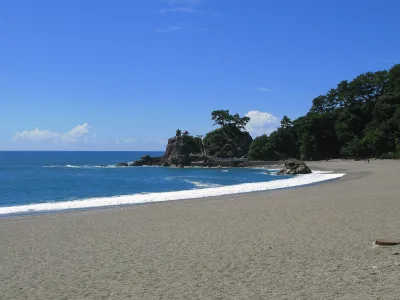 Katsurahama Beach
A curving Pacific beach watched over by a statue of Sakamoto Ryoma: a moon-viewing spot from a Kochi folk song, with a clifftop shrine and an aquarium.
Katsurahama Beach
A curving Pacific beach watched over by a statue of Sakamoto Ryoma: a moon-viewing spot from a Kochi folk song, with a clifftop shrine and an aquarium.
-
2
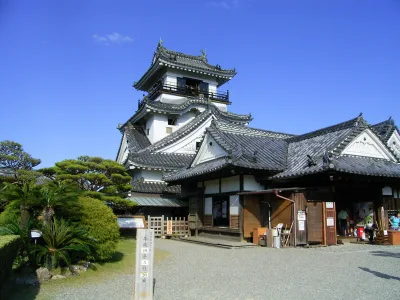 Kochi Castle
The only castle in Japan where both an Edo-period keep and palace survive. On a hill in central Kochi, walk from the lord's rooms to the top of the keep.
Kochi Castle
The only castle in Japan where both an Edo-period keep and palace survive. On a hill in central Kochi, walk from the lord's rooms to the top of the keep.
-
3
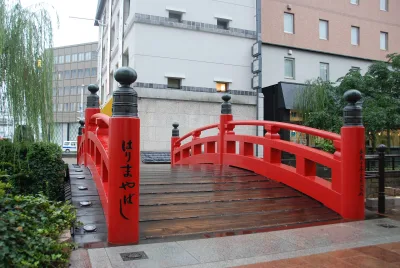 Harimaya Bridge
A small red bridge in central Kochi, setting of a monk's love story in the folk song Yosakoi-bushi. Every local knows it; a handy start for a city walk.
Harimaya Bridge
A small red bridge in central Kochi, setting of a monk's love story in the folk song Yosakoi-bushi. Every local knows it; a handy start for a city walk.
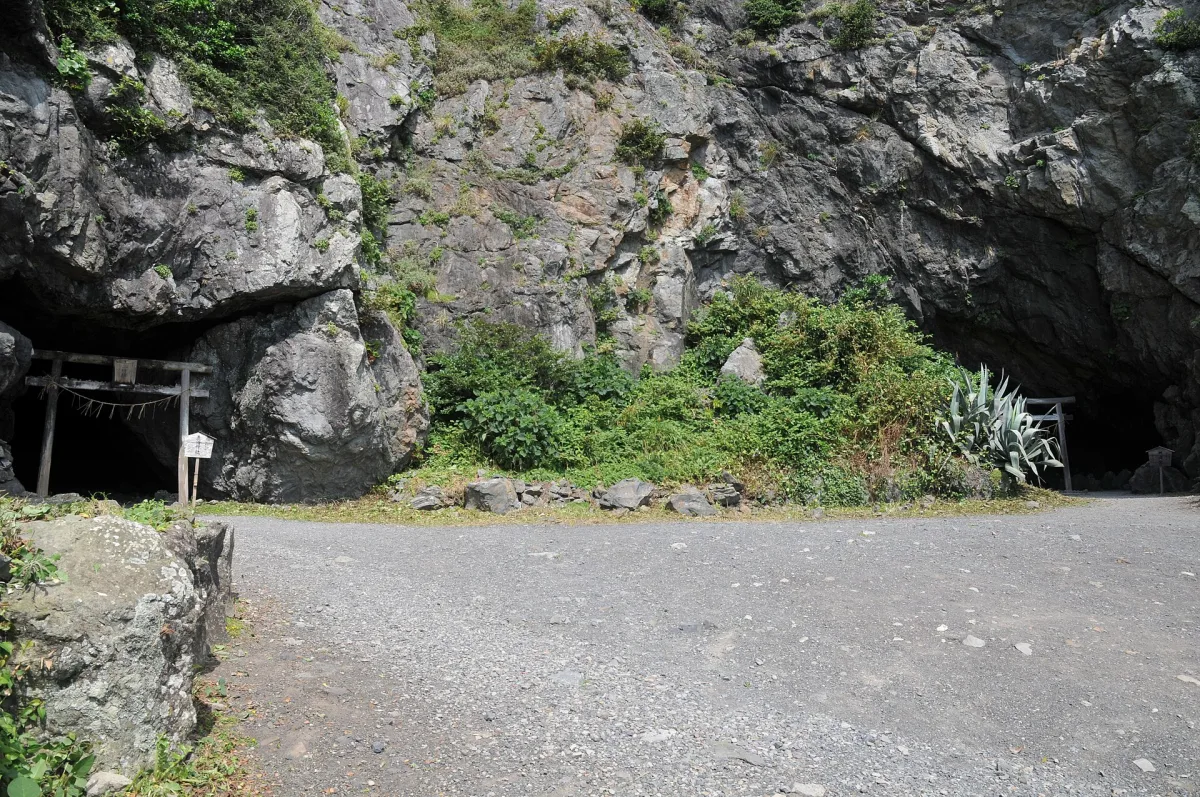



Where the mountains meet the Pacific
Kochi fills the southern side of Shikoku, with mountains at its back and the Pacific Ocean in front. That layout explains why a day here feels completely different depending on which direction you travel. The coast around Muroto is rugged, and its geology has earned it recognition as a UNESCO Global Geopark. Further west, the scenery opens out towards Cape Ashizuri. Kochi city sits between these two stretches of coastline, but there is far more to the prefecture than its capital.
In the west, the Shimanto River winds from the mountains to the sea through wooded valleys. Look out for the chinka-bashi, or 'sinking bridges': low bridges built without railings so that floodwater and driftwood can pass straight over the top. They are practical links between riverside villages, not just scenic spots. Canoeing or cycling along the river, you get a feel for how closely the river is tied to daily life and fishing.
Tosa's castle and its reformers
Tosa is Kochi's old provincial name, and it still turns up in local food, crafts and place names. In Kochi city, the castle makes that older history visible: both the main keep and the lord's residence (the Honmaru Goten) have survived in their original form. From the castle grounds it is easy to move between the traces of the old domain and the busy streets of the modern city.
One local figure you will meet again and again is Sakamoto Ryoma, born in Tosa in 1835. As Japan neared the end of rule by the shogunate (the military government), he helped bring rival political forces together. Kochi also remembers Itagaki Taisuke, who later led the Freedom and People's Rights Movement. Their stories give the prefecture's pride in its history a character of its own: it is tied not only to samurai buildings but also to arguments about how Japan ought to be governed.
Bonito, citrus and handmade goods
Kochi's signature dish is katsuo no tataki: thick slices of bonito seared on the outside and left raw in the middle. When it is seared over a fire of rice straw, the fish can pick up a smoky flavour. Locally it comes with garlic, ginger and onion, and is eaten with ponzu (a citrus-based sauce) or sometimes just a little salt. At Hirome Market in Kochi city you can watch it being cooked and pick other dishes to eat alongside it.
The Sunday Market near Kochi Castle is another way into local flavours. Its stalls sell produce and snacks, including inaka-zushi (a country-style sushi made with vegetables), ginger, and yuzu and other Kochi-grown citrus. Away from the coast, in Shimanto, menus feature river fish, eel and river prawns, and the valley also produces tea and chestnuts. If you are looking for something to take home, think beyond food too: Tosa washi (traditional handmade paper) and hand-forged Tosa knives are both worth a look.
What an invitation to an okyaku means
In standard Japanese, okyaku means a guest or customer. In Kochi, it can mean the gathering itself: a banquet held for a wedding, a seasonal celebration, or simply to spend time together. Food is often served from a sawachi, a large platter piled with seafood, sushi and other dishes so that everyone can help themselves. The word says more about local custom than any general description of hospitality.
Another unmistakable sound of Kochi is yosakoi. This group dance tradition began here, and at the summer festival teams in all kinds of costumes and choreography fill Kochi city. Dancers click naruko, hand-held wooden clappers, and the music is based on a local folk song. For a quieter visit, the long-running Sunday Market shows another side of the same friendly city: residents shopping, eating and chatting along the street that leads to the castle.
Four seasons, from riverbank to city street
In spring, cherry blossoms bloom at Kochi Castle and rapeseed flowers along the banks of the Shimanto River. Spring is also when koinobori (carp-shaped streamers) are strung across the river, adding movement above the water. The rainy season in June has colours of its own, with hydrangeas blooming across the prefecture.
Summer is the season when the rivers invite you into a canoe or kayak and Kochi city hands its streets over to yosakoi dancers. In autumn, a stroll around Chikurinji Temple near the city brings colourful maple leaves, and local festivals turn to celebrating the harvest. Winter on the Pacific side is generally milder than in much of Japan, but it is not uniformly warm: mornings can be cold, and it can snow in the mountains. The season you choose changes both the scenery and the kind of days you will want to plan.
Getting there and exploring beyond the city
Most travellers arrive at Kochi Ryoma Airport or come by rail via Okayama, changing there to a train for Kochi. Highway buses are another option. Once in Kochi city, trams are handy for getting around the centre, and buses reach sights away from the tram lines.
Seeing the whole prefecture takes a little more planning. The Gomen-Nahari Line runs along the eastern coast towards Nahari, and the Shimanto area in the west can be reached by train and then bus. A hire car gives you more freedom for scattered river valleys and seaside stops. If you are using public transport, it is best to pick a few places along one route rather than trying to cross the whole prefecture in one go. Kochi rewards that slower kind of travel: it leaves you time to notice how the scenery changes from one village to the next.
Sources
- Kochi | Shikoku | Destinations | Travel Japan - Japan National Tourism Organization (Official Site)
- Shimanto River Valley: Japan's Best Kept Secret|Highlights|VISIT KOCHI JAPAN
- Kochi’s Famous Forebears | 高知県
- Ryoma Sakamoto: The Kochi-born samurai who fought for modern Japan |Highlights|VISIT KOCHI JAPAN
- Kochi City | Kochi | Shikoku | Destinations | Travel Japan - Japan National Tourism Organization (Official Site)
- Katsuo no Tataki (Seared Bonito): Kochi’s Soul Food|Taste of Kochi|VISIT KOCHI JAPAN
- Kochi Sunday Market: Japan’s Biggest Open Air Market|Highlights|VISIT KOCHI JAPAN
- Okyaku: Kochi’s Culture of Celebration!|Highlights|VISIT KOCHI JAPAN
- Dance to the rhythms of Kochi at the Yosakoi Festival!|Highlights|VISIT KOCHI JAPAN
- Discover seasonal Kochi through its flora!|Highlights|VISIT KOCHI JAPAN
- A guide to winter in Kochi|Topics|VISIT KOCHI JAPAN
- Beginners Guide to Kochi|Highlights|VISIT KOCHI JAPAN
- Useful information for traveling within the prefecture|Tourist Information|VISIT KOCHI JAPAN