Saitama
Just past Tokyo's northern edge, Saitama shifts from busy rail hubs and old merchant streets to tea fields, river gorges and the Chichibu mountains.
Map outlines: Natural Earth
-
1
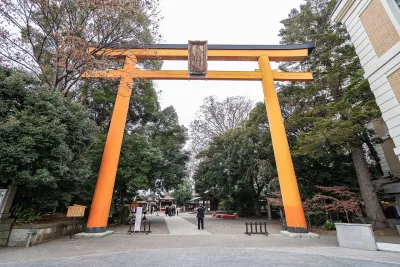 Kawagoe Hikawa Shrine
Kawagoe's guardian shrine of about 1,500 years, known for matchmaking, with one of Japan's largest wooden torii and fortunes shaped like sea bream.
Kawagoe Hikawa Shrine
Kawagoe's guardian shrine of about 1,500 years, known for matchmaking, with one of Japan's largest wooden torii and fortunes shaped like sea bream.
-
2
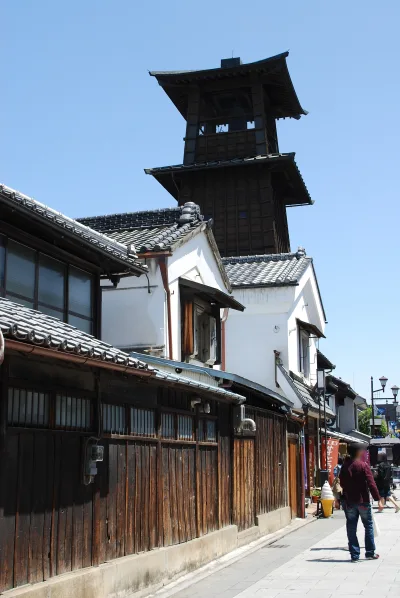 Toki no Kane (Bell of Time)
Kawagoe's symbol, a bell tower above streets of storehouse-style shops. It has told the time since the Edo period and still rings four times a day.
Toki no Kane (Bell of Time)
Kawagoe's symbol, a bell tower above streets of storehouse-style shops. It has told the time since the Edo period and still rings four times a day.
-
3
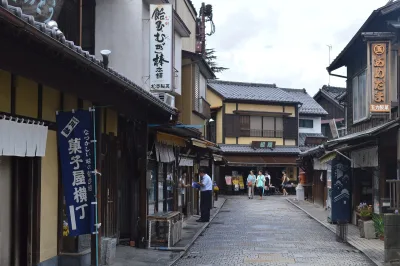 Kashiya Yokocho (Penny Candy Alley)
A stone-paved Kawagoe alley packed with old-fashioned sweet, candy and dango shops. Follow the smell of grilling soy sauce and snack your way along.
Kashiya Yokocho (Penny Candy Alley)
A stone-paved Kawagoe alley packed with old-fashioned sweet, candy and dango shops. Follow the smell of grilling soy sauce and snack your way along.
.jpg)
_2011-10-10.jpg)

From the Kanto Plain to the Chichibu mountains
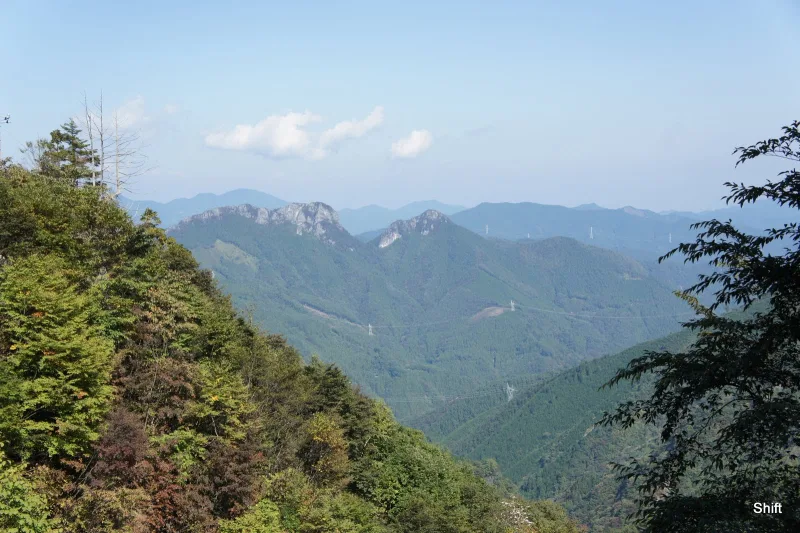
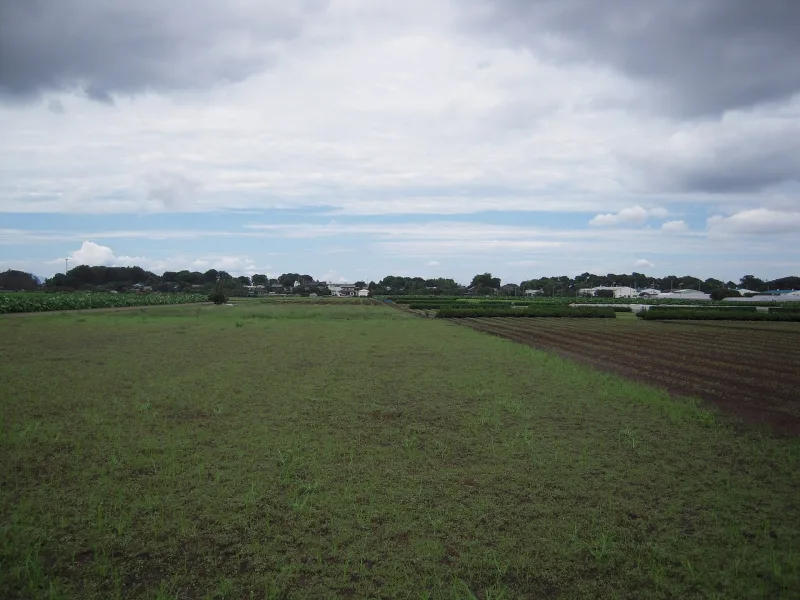
Saitama has no coastline. Much of the prefecture sits on the Kanto Plain, but heading west it rises through hills to the forested Chichibu Mountains. The Arakawa and Tone rivers shape the lowlands, where waterways, farmland and housing sit side by side. This gradual change in landscape is part of the prefecture's character: a journey west takes you from city stations to tea-growing hills and then to mountain basins.
Nagatoro gives you the full flavour of the western landscape. Here the Arakawa River flows past a rock formation called Iwadatami, named because it looks like tatami (traditional floor mats). You can look down on the river from the rocks, or view the gorge from a boat as it drifts along calm stretches and the occasional rapid. Chichibu moves at a different pace again, with forested mountainsides and a pilgrimage route linking 34 temples.
Ancient burial mounds and merchant streets
Saitama's past goes back much further than its Tokyo commuter lines might suggest. The Sakitama Kofun Group in Gyoda (a cluster of ancient tombs) shows the power of the people who lived here centuries ago. An inscribed iron sword was found in one of them, giving historians a clue to understanding early rulers in eastern Japan. Gyoda also has a later history of craftsmanship: its workshops made tabi, the traditional split-toed socks that also serve as footwear.
Kawagoe tells another chapter. Known as Koedo, meaning "little Edo", it grew as a trading centre, and its streets of kurazukuri, merchant storehouses with thick clay walls, still survive. The Toki no Kane bell tower and the sweet shops nearby give you reasons to wander, but the buildings are more than a period backdrop. They are a reminder of the trade links and roads that connected this area with Edo, today's Tokyo.
Noodles, rice crackers and tea
Food in Saitama changes from town to town. In the wheat-growing areas, udon (thick wheat noodles) has developed in many ways. Kazo has a long noodle-making tradition, and Fukaya's nibouto is a warming dish of wide noodles simmered with vegetables, including the local spring onions. Konosu's kawahaba udon means "river-width noodles": its unusually wide noodles are named after the broad riverbed of the nearby Arakawa River.
To take home, look for soka senbei, crisp rice crackers associated with Soka, or sweets made from Kawagoe's sweet potatoes. Sayama tea is grown in the west of the prefecture, with tea fields spreading around the hills near Kawagoe. Its rich flavour is said to be linked to the area's relatively cold winters. These foods make a useful map for getting to know Saitama: rivers, fields and local workshops have each left their mark on what people make.
Handcrafts and festivals the community builds
Saitama's local traditions are not concentrated in a single old town. In Iwatsuki, craftspeople work on doll-making, a craft tied to the east of the prefecture. Chichibu is known for patterned silk textiles called Chichibu meisen. Both are reminders that the things people display or wear for celebrations start with specialist local skills.
The Chichibu Night Festival brings local pride to life. In early December, residents haul six decorated floats through the streets to the sound of drums and flutes, and the procession reaches its climax with the floats being hauled up a difficult slope and winter fireworks. Each float belongs to a different neighbourhood association, so this is not just a show put on for tourists. Kawagoe's old streets, Gyoda's footwear craft and Chichibu's festival all show local communities keeping their own history visible.
The flavour of each season
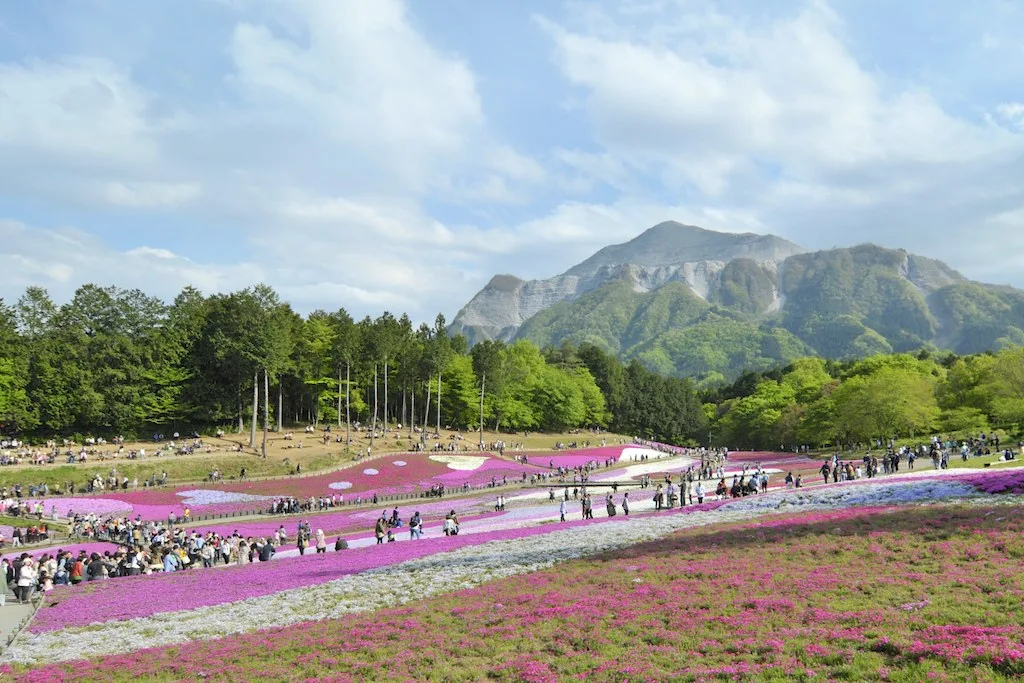
Spring spreads across Saitama in many forms. Cherry blossoms draw people into the parks, and Chichibu's Hitsujiyama Park becomes a patchwork of pink, purple and white shibazakura, a low-growing flower often called moss phlox in English. Around the tea fields in the west, the first tea harvest begins after the cherry blossoms. It is a good season to notice just how close farmland is to the towns.
Summer on the plains is hot and humid, and the rivers and mountains of the west make an appealing change of scene. Gyoda's lotus flowers bloom from early summer, and the river at Nagatoro is another seasonal highlight. In autumn the valleys and hills take on their colours. Winter is often dry, clear and windy rather than simply quiet. In Chichibu, lantern-lit floats and fireworks draw people outdoors after dark.
Getting there and choosing an area
Most travellers visit by train from Tokyo. Omiya is the main interchange for heading to different parts of Saitama, and the Seibu line from Shinjuku runs to Hon-Kawagoe. From Ikebukuro, Seibu lines head towards Chichibu. For Nagatoro, the Chichibu Railway links this river town with places such as Kumagaya and the Chichibu area.
It helps to plan Saitama area by area rather than treating it as a single destination. Kawagoe suits walking around its streets and shops, while Chichibu and Nagatoro make for a longer trip west. Conventional train lines cover most of the prefecture, but the distances between its city, rural and mountain landscapes are exactly why it is worth visiting more than once.
Sources
- 埼玉の地勢と郷土の移り変わり - 埼玉県
- 埼玉の景観の特性 - 埼玉県
- Saitama | Kanto | Destinations | Travel Japan - Japan National Tourism Organization (Official Site)
- Kawagoe | Saitama | Kanto | Destinations | Travel Japan - Japan National Tourism Organization (Official Site)
- Gyoda | Travel Japan - Japan National Tourism Organization (Official Site)
- Nagatoro | Travel Japan - Japan National Tourism Organization (Official Site)
- Chichibu | Saitama | Kanto | Destinations | Travel Japan - Japan National Tourism Organization (Official Site)
- Chichibu Night Festival | Travel Japan - Japan National Tourism Organization (Official Site)
- 埼玉はうどん共和国
- Digging deeper into tea in Saitama
- Take a VR Tour of Saitama | Japan‘s Local Treasures | Travel Japan (JNTO)