Sannai-Maruyama Site
三内丸山遺跡
A large Jomon village lived in some 5,900 to 4,200 years ago. Walk among rebuilt giant-pillar buildings and pit houses at a World Heritage site.
A Jomon village found where a baseball stadium was planned
The Sannai-Maruyama Site in Aomori city is the remains of a settlement from the Jomon period (Japan's prehistoric era, when people lived mainly by hunting, gathering and fishing). People lived here from about 5,900 to 4,200 years ago, and the site covers about 40 hectares.
Full-scale excavation began in 1992 as a survey before a prefectural baseball stadium was built. Once the size and importance of the site became clear, the stadium plans were dropped in 1994 and the site was preserved. It was designated a Special Historic Site of Japan in 2000, and in 2021 it was inscribed as a World Heritage Site as one of the "Jomon Prehistoric Sites in Northern Japan".
The six-pillar building and the giant pit house
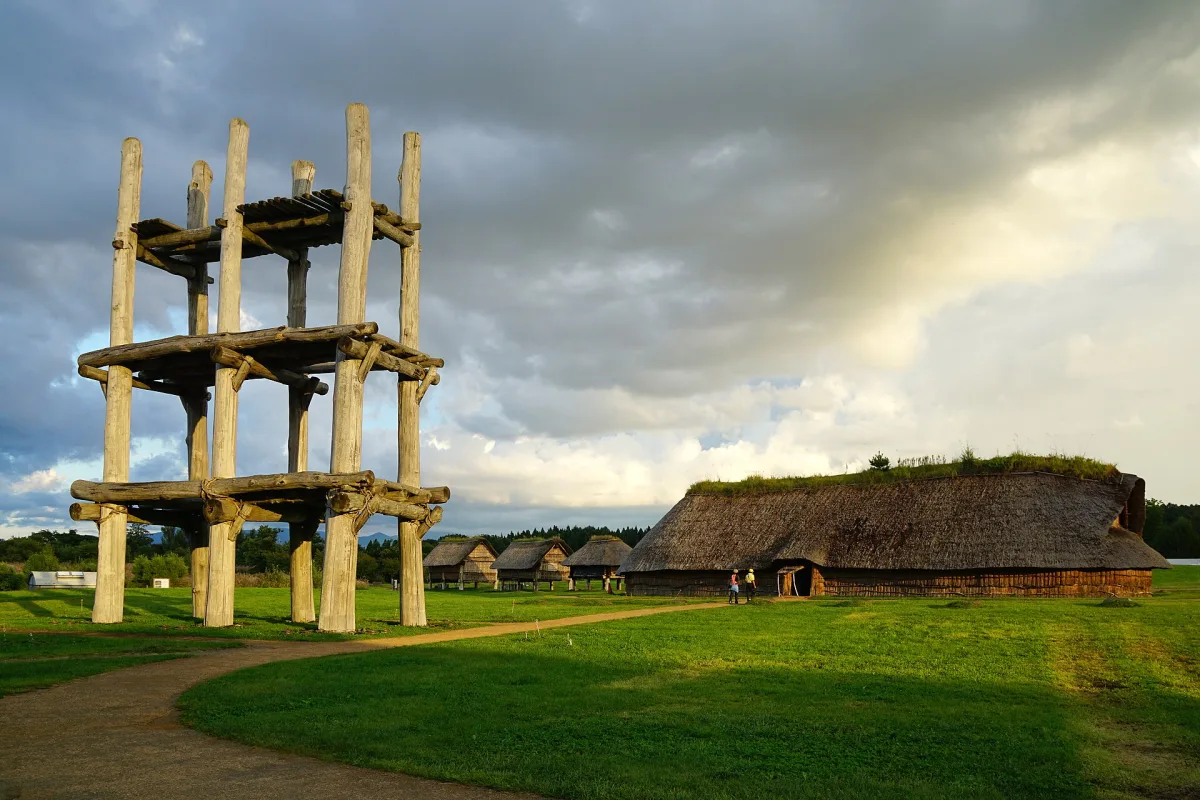
The symbol of the site is a reconstruction of a large pillar-supported building made of six thick posts. The post holes that were found still held chestnut-wood pillars about 1 m across, and the gaps between them were all exactly the same, 4.2 m. This suggests that people already had a fixed unit for measuring length.
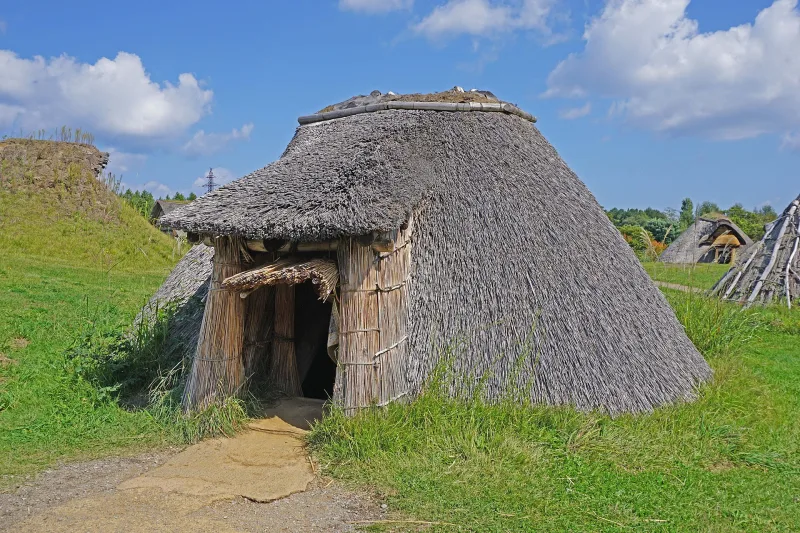
A large pit house (a dwelling whose floor was dug down into the ground) about 32 m long has also been reconstructed. Graves and mounds of built-up earth have been found as well.
How the Jomon people lived
The excavations turned up jade from Itoigawa in Niigata Prefecture and obsidian (volcanic glass used to make stone tools) from various regions, showing that people here had contact with distant areas. Another major finding is that they appear to have grown chestnuts and walnuts.
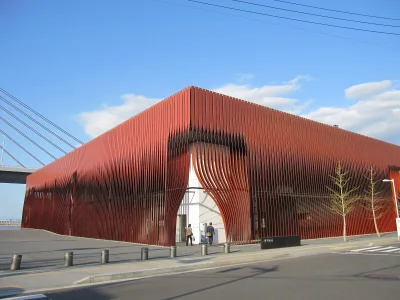
At the site's facility, Jomon Jiyukan (the Sanmaru Museum), you can learn about the Jomon period through its exhibits. Volunteer guides also give free tours.
Getting there
It takes about 15 minutes by shuttle bus from JR Shin-Aomori Station, or about 30 to 40 minutes by city bus or shuttle bus from JR Aomori Station. From Aomori Airport it is about 30 minutes by car.
Opening hours vary by season. Check them, along with admission charges, on the official website.
Tips
- The Jomon period is not well known outside Japan. Start with a free volunteer guide, and what looks like an ordinary grassy field will make a lot more sense.
- It is close to Shin-Aomori Station on the shinkansen (bullet train), so it is easy to stop by on the day you arrive in Aomori or the day you leave.
Sources
Updated 28 September 2026. Opening hours and prices change, so check the official site before you go.




.jpg)
.jpg)