Daio Wasabi Farm
大王わさび農場
One of Japan's biggest wasabi farms, in Azumino, Nagano, fed by Northern Alps snowmelt. Walk by clear rivers and water wheels; try wasabi ice cream.
One of Japan's largest wasabi fields, grown in spring water
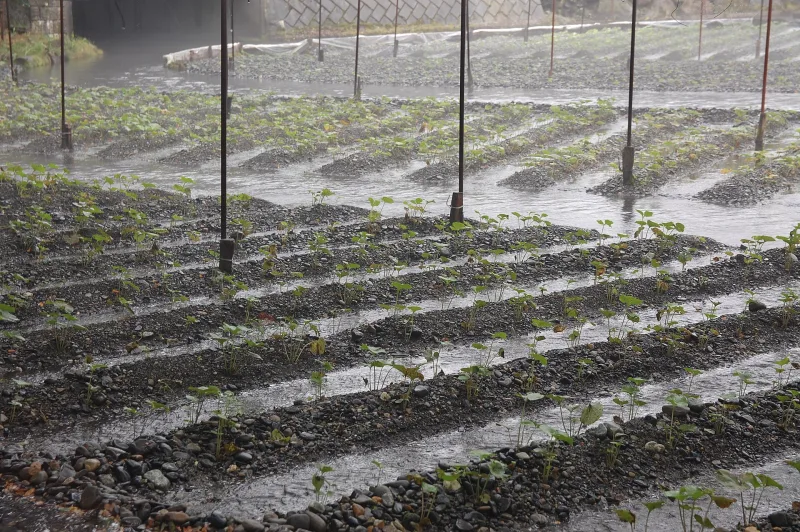
Daio Wasabi Farm is a wasabi farm east of JR Hotaka Station in Azumino, Nagano Prefecture. Wasabi is the fiery condiment served with sushi and sashimi, the one whose heat goes straight up your nose. Here it is grown in water, using the area's plentiful spring water. The farm covers about 15 hectares, making it one of the largest wasabi fields in Japan.
The wasabi is grown in water that starts as snowmelt in the Northern Alps, soaks underground and wells up again in Azumino. Even in midsummer the water never gets above 15°C, and the springs in this area have been selected as one of Japan's "100 Famous Waters". The land for the farm was acquired in the Taisho era and it took about 20 years to clear and develop.
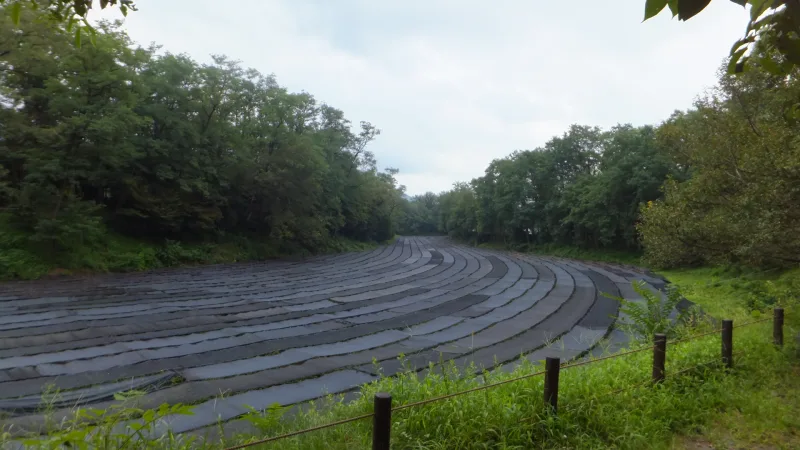
Wasabi does not cope well with direct sunlight, so from about April to September the fields are covered with black shade cloth (kanreisha). The wasabi flowers bloom around March and April.
The water wheels from a Kurosawa film
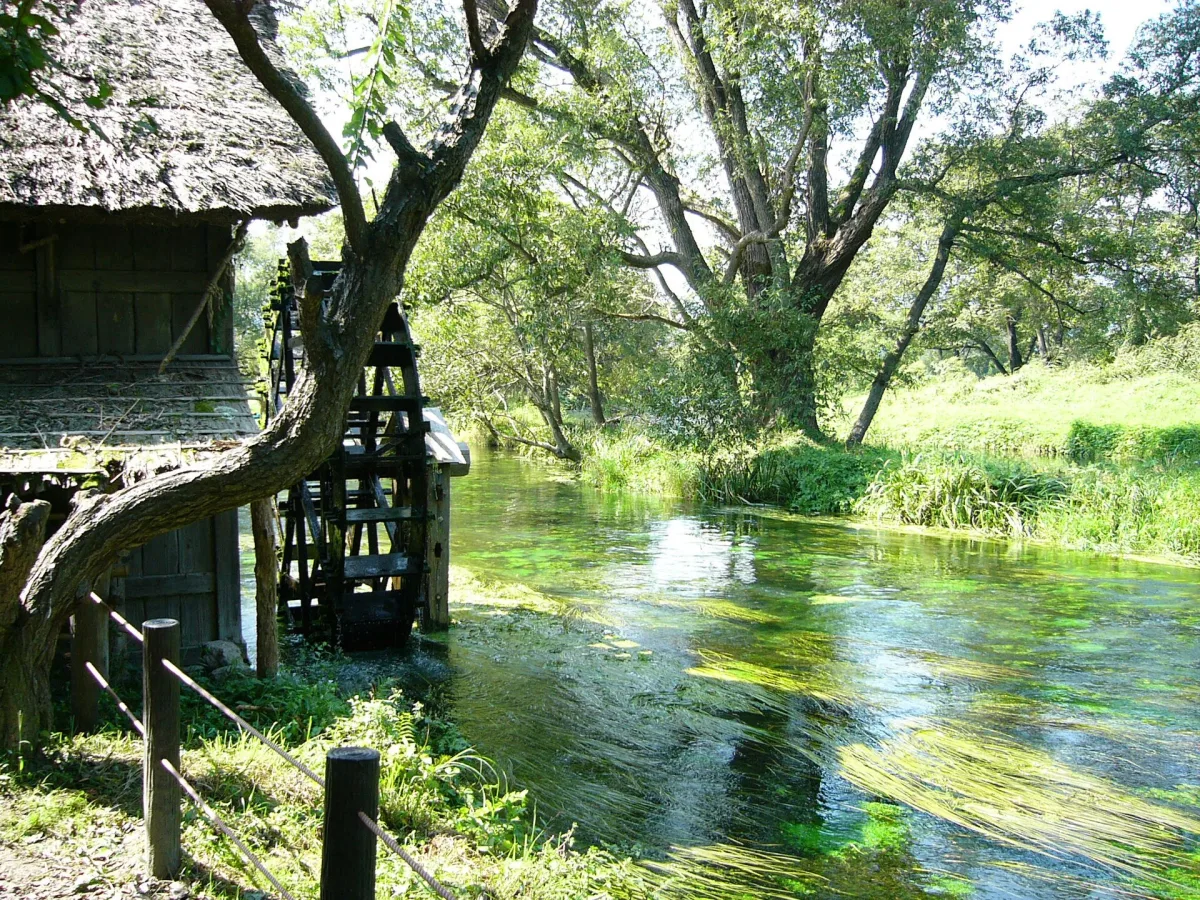
On the Tade River beside the farm stand three water wheels, which have become the farm's signature view. This is where "Village of the Watermills", one episode of Akira Kurosawa's 1990 film Dreams, was shot. The Tade River is made up entirely of spring water, with about 700,000 tonnes flowing through it every day.
You can also glide along the river in a glass-bottomed boat, watching life under the water as you enjoy the scenery. Within the grounds there is also Daio Shrine, built in 1926.
Wasabi treats and getting there
Admission is free. At the restaurants and souvenir shops on site you can try wasabi soft-serve ice cream as well as other dishes and products made with wasabi.
It is about 30 minutes on foot from JR Hotaka Station, or about 10 minutes by taxi. By car it is about 10 minutes from the Azumino interchange. Opening hours change with the seasons, so check the official website.
Tips
- From March to about late April, when the wasabi is in flower, you can see the neat rows of wasabi fields and, on clear days, mountains such as Mount Jonen still capped with snow.
- Walking paths run around the wasabi fields, so you can stroll and take in the scenery.
- At busy times such as long holiday weekends, the official website sometimes posts notices about visiting.
Sources
- 大王わさび農場(公式) | 信州安曇野に広がる日本一のわさび園
- 3連水車 ~いつまでも残したい安曇野の原風景 - 大王わさび農場
- 大王わさび農場 | 全国観光資源台帳(公財)日本交通公社
- 大王わさび農場 - Wikipedia
Updated 28 September 2026. Opening hours and prices change, so check the official site before you go.