Tomonoura
鞆の浦
An old Seto Inland Sea port where ships once waited for the tide to turn. An Edo-period stone lantern and stepped quays survive, and its lanes reveal old harbour life.
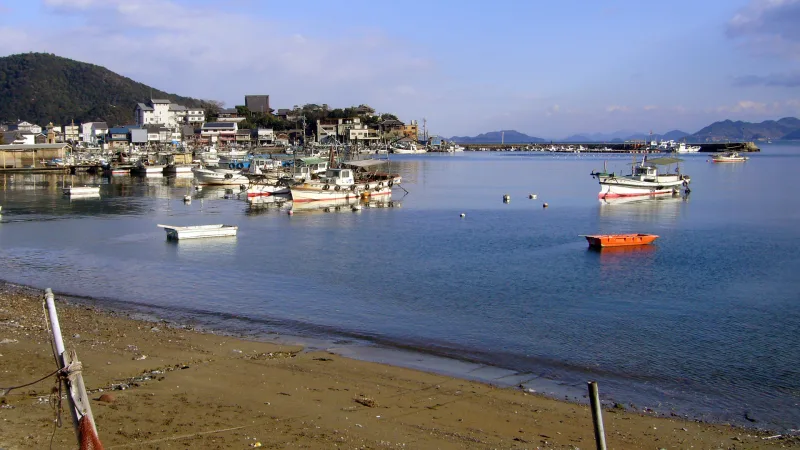
A port that thrived on waiting for the tide
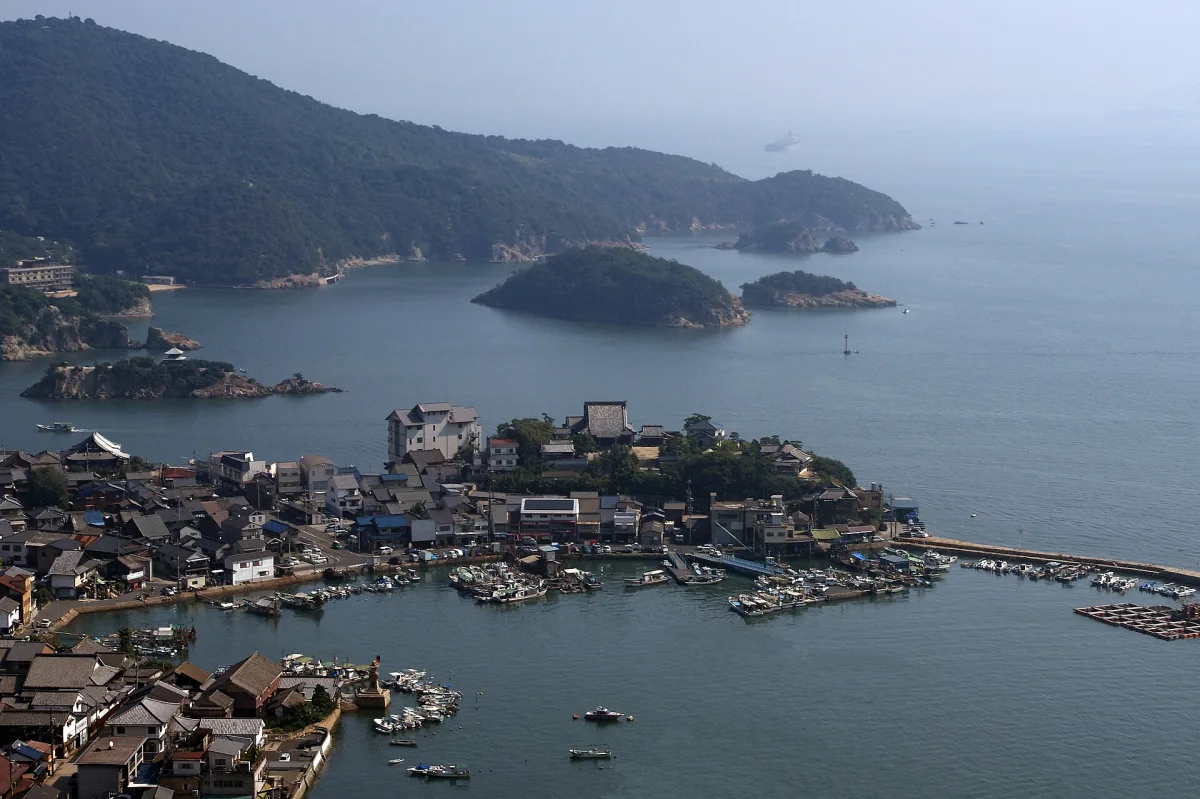
Tomonoura is a harbour town on the coast at the southern tip of Fukuyama, Hiroshima Prefecture, about 14km south of Fukuyama Station. Its name even appears in poems in the Man'yoshu, Japan's oldest poetry anthology.
The tidal currents of the Seto Inland Sea are complicated, and in the old days ships waited for the tide to change direction before sailing on. Tomonoura prospered as a port for this shiomachi, or waiting for the tide, and in the Edo period the kitamaebune (merchant ships that linked the Sea of Japan coast with Osaka) called here too.
The townscape has been chosen as a national Important Preservation District for Groups of Traditional Buildings, and the story of the port town is recognised as Japan Heritage. On top of that, records of the Joseon Tongsinsa (the diplomatic missions sent to Japan by Korea's Joseon dynasty during the Edo period), who stayed here, are inscribed on UNESCO's Memory of the World register. Tomonoura is the only place in Japan that has all three.
Edo-period harbour structures still in place
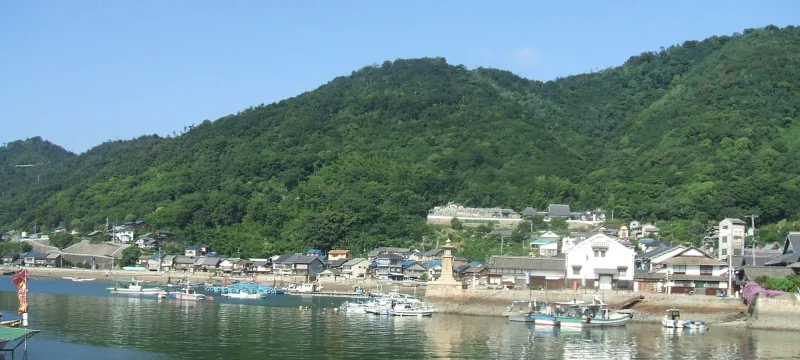
The symbol of the port is the joyato, a stone lantern built in 1859. Lit at night to guide ships in and out, it served as a lighthouse. It stands over 10m tall and is said to be one of the largest Edo-period lanterns of its kind.
Around the lantern you can still see the gangi (stone-stepped quays where cargo could be loaded and unloaded whatever the tide), the hato (breakwater), the remains of the tadeba (a ship-repair yard) and the funabansho (a lookout post for watching the ships). A port that keeps so many of its Edo-period facilities is rare anywhere in Japan.
Taichoro and a town linked to Sakamoto Ryoma
Taichoro, the guest hall of Fukuzen-ji temple overlooking the harbour, was built around 1690, and in the Edo period it served as lodgings for the Korean envoys. A mission that visited in 1711 praised the view from here as the most beautiful scenery in Japan.
At the end of the Edo period, Taichoro was the venue for the negotiations after the Iroha Maru incident, a collision between a ship of the Kaientai, the trading company led by Sakamoto Ryoma, and a ship of the Kishu domain. The town has the Iroha Maru Exhibition Hall, which displays materials about the incident. Sensuijima, the island just offshore, is about 5 minutes away on the city-run ferry.
The local speciality is homeishu, a drink made since the Edo period by steeping 16 kinds of medicinal herbs and spices in glutinous rice and shochu (a distilled spirit).
Getting there
From the south exit of JR Fukuyama Station, take a Tomotetsu Bus on the Tomo Line and get off at Tomoko (Tomo Port). You can walk from the bus stop to Taichoro and the stone lantern.
The town is full of narrow lanes, so walking is the best way to get around. There is a tourist information centre, and guided tours are available.
Tips
- The view of the sea and islands from Taichoro is Tomonoura's signature sight. Check the official information for visiting hours.
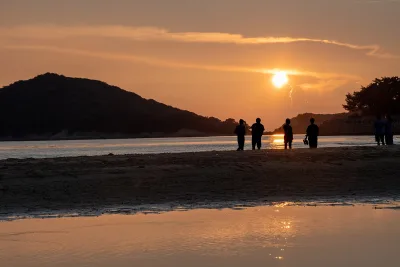
- Sensuijima has walking trails and is also known as a great place for sunsets. Give yourself plenty of time when you cross over.
- Every May, the earliest fireworks display on the Seto Inland Sea is held on Bentenjima. There are festivals or events almost every month as well.
Sources
Updated 29 September 2026. Opening hours and prices change, so check the official site before you go.