Kasuga Taisha
春日大社
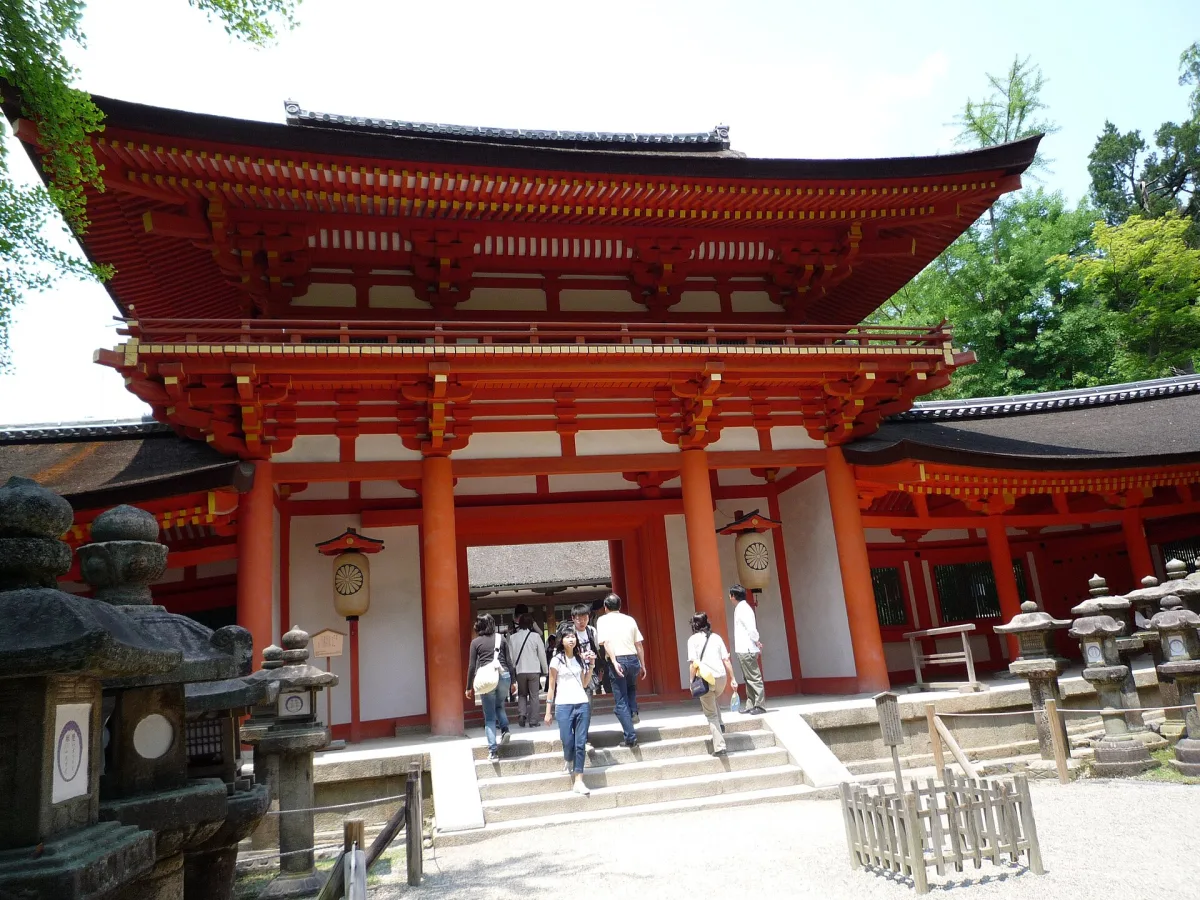
A shrine founded in 768 amid primeval forest behind Nara Park, with vermilion halls and about 3,000 lanterns. The legend of Nara's sacred deer began here.
The god who arrived on a white deer
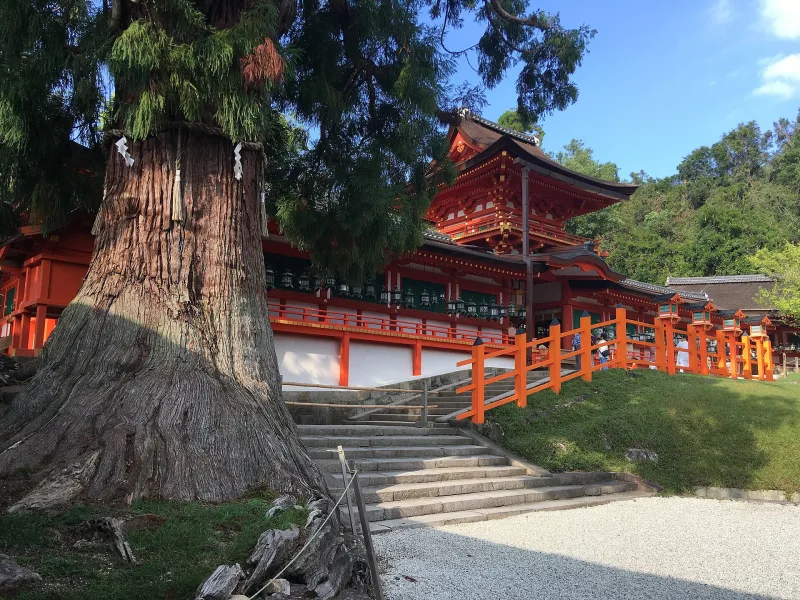
Kasuga Taisha is a Shinto shrine founded in 768, during the Nara period, at the foot of Mount Mikasa, which is regarded as a sacred mountain. It enshrines four deities: Takemikazuchi-no-Mikoto, Futsunushi-no-Mikoto, Amenokoyane-no-Mikoto and Himegami.
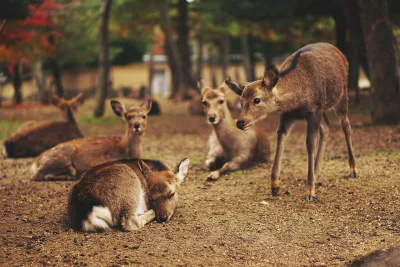
Legend has it that Takemikazuchi-no-Mikoto came here riding a white deer from Kashima, in what is now Ibaraki Prefecture. That is why Nara's deer have been cherished as messengers of the gods. Kasuga Taisha also enshrines the ujigami (guardian deity of a clan) of the Fujiwara family, and it is the head shrine of about 3,000 Kasuga shrines across Japan.
In 1998 it was added to the World Heritage list as one of the "Historic Monuments of Ancient Nara". The Kasugayama Primeval Forest that spreads out behind it is a national Special Natural Monument.
About 3,000 lanterns and vermilion halls
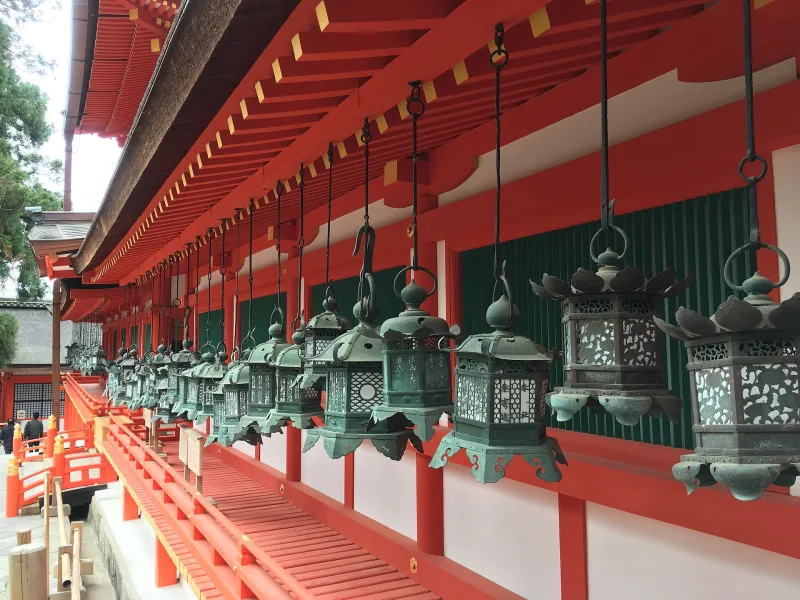
From the approach to the area around the shrine buildings, about 3,000 lanterns, donated since the Heian period, line the way: stone lanterns and tsuri-doro (metal lanterns hung from the eaves). According to the official website, nearly 70% of the Muromachi-period lanterns surviving in Japan are here.
The vermilion buildings have been maintained through shikinen zotai, a tradition of repairing and restoring them once every 20 years, which has now been carried out 60 times. The main sanctuary is built in an architectural style called Kasuga-zukuri and is designated a National Treasure.
Mantoro and the yearly calendar
Every year around Setsubun in February, and again in August, the Mantoro ("ten thousand lanterns") festival lights the lanterns throughout the grounds, turning the shrine into a magical scene quite unlike any other day. In December, the Kasuga Wakamiya On-matsuri, the festival of the Wakamiya shrine, is held.
The shrine is also known for its wisteria in spring, and the grounds include the Manyo Botanical Garden.
Getting there
Take a bus from JR Nara or Kintetsu Nara Station and get off at Kasuga Taisha Honden; the shrine is right there. From the Kasuga Taisha Omotesando bus stop, it is about a 10-minute walk along the lantern-lined approach. You can also walk there through Nara Park. Pets, drone flying and smoking are not allowed in the grounds. Check visiting hours on the official website.
Tips
- If you have time, get off at the Omotesando bus stop and walk. The approach, lined with stone lanterns, is one of the highlights of Kasuga Taisha in itself.
- Time your visit for Mantoro and you will see the lanterns lit up in a very special scene. Check the dates on the official website.
- There are lots of deer on the approach. Do not feed them anything except deer crackers.
Sources
- 世界遺産 春日大社 公式サイト
- 春日大社について | 春日大社
- Kasuga Taisha Shrine | Travel Japan - Japan National Tourism Organization
- 春日大社 - Wikipedia
- 奈良公園にはなぜ鹿がいる?|奈良市観光協会公式サイト
Updated 28 September 2026. Opening hours and prices change, so check the official site before you go.



.jpg)
