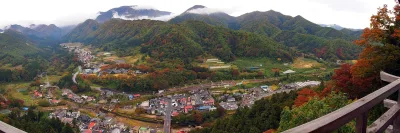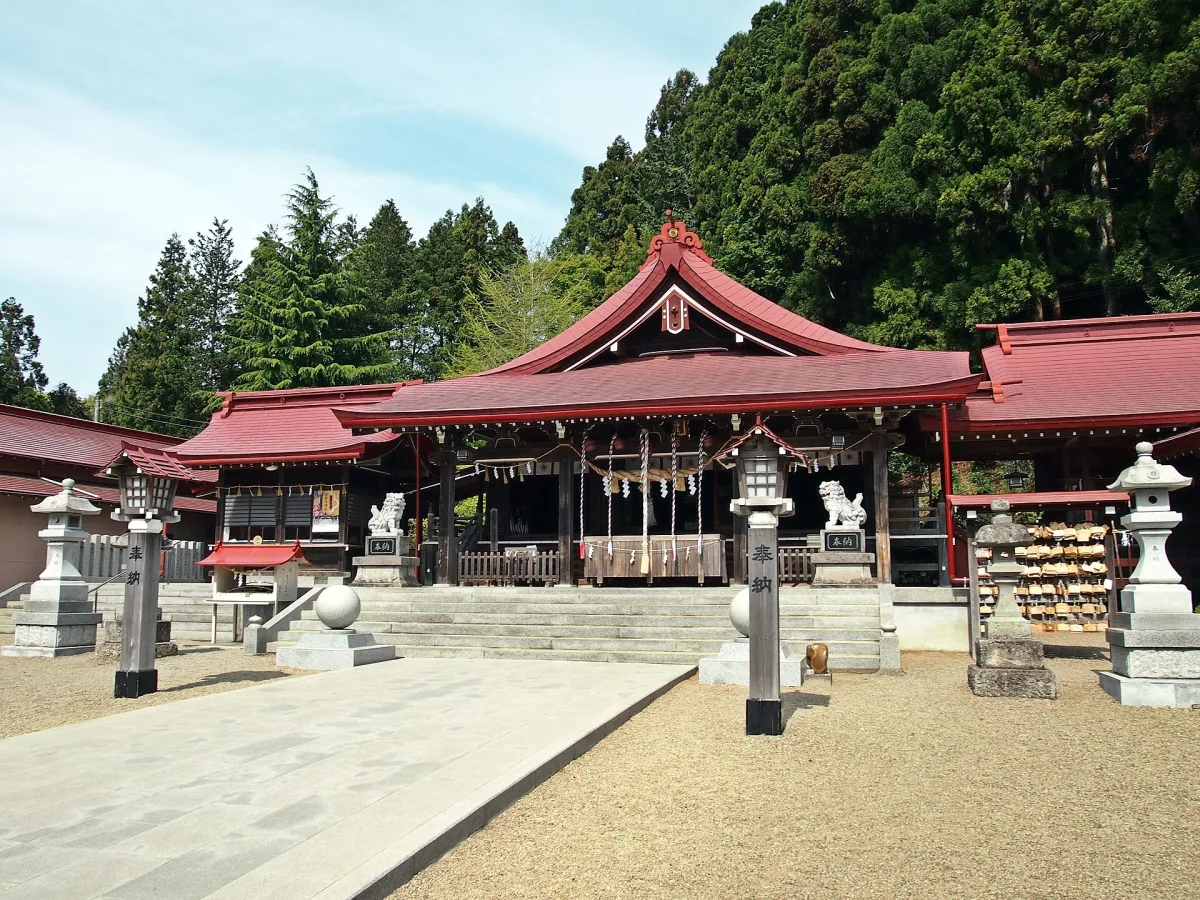
Kanahebisui Shrine
金蛇水神社
A money-luck and business shrine whose sacred object is a snake. Visitors rub their wallets on snake-patterned stones, and in May peonies and wisteria bloom.
The "golden snake" left by a swordsmith
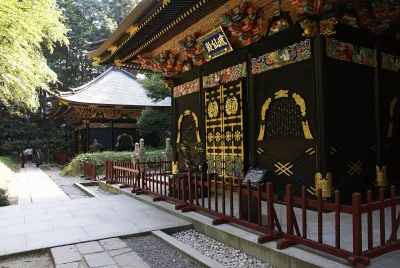
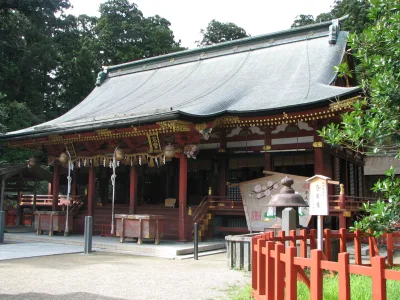
Kanahebisui Shrine (Kanahebisui Jinja) is a shrine to a water deity in Iwanuma, Miyagi Prefecture. It stands where water flows out of a mountain valley onto the Sendai Plain, and no one knows when it was built. It is thought to have begun when people who started farming here enshrined the god of water.
The shrine's name comes from a legend. In the mid-Heian period, the Kyoto swordsmith Sanjo Kokaji Munechika came here in search of pure water to forge a sword for the emperor. But the croaking of frogs kept breaking his concentration. So he made the figure of a snake and released it into the rice fields, and the croaking stopped at once, allowing him to forge a superb sword. The snake figure that Munechika offered in thanks became the shrine's goshintai (the sacred object in which the deity resides), and it came to be called Kanahebisui Shrine.
In Japan, dragons and snakes have long been seen as incarnations of water gods. Because this shrine's sacred object is a snake, it draws worshippers praying for thriving business, money luck and protection from misfortune.
Serpentine stones and a shrine of flowers
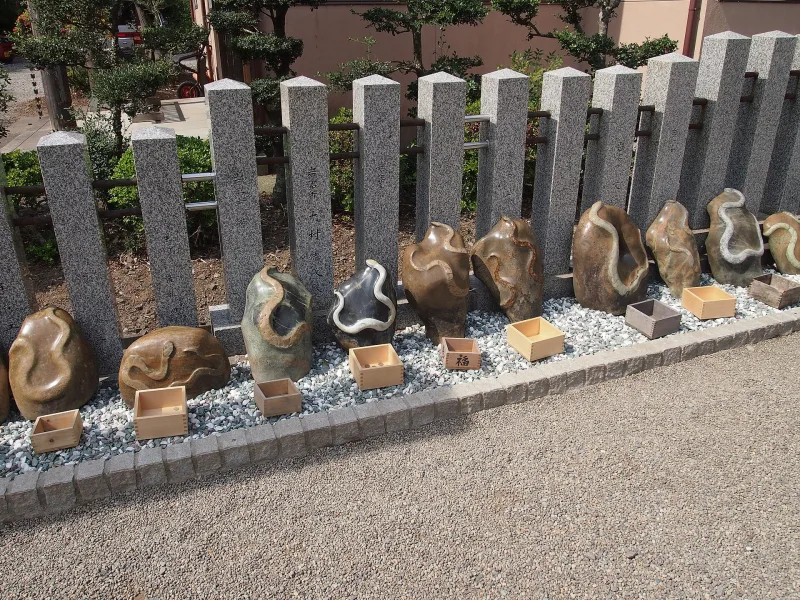
On the south side of the main shrine building is a row of jamonseki, serpentine stones whose surfaces show snake-like patterns. The patterns are not man-made but appeared naturally. It is said that if you pick one by instinct and stroke its pattern with your hand or your wallet, your money luck will rise.
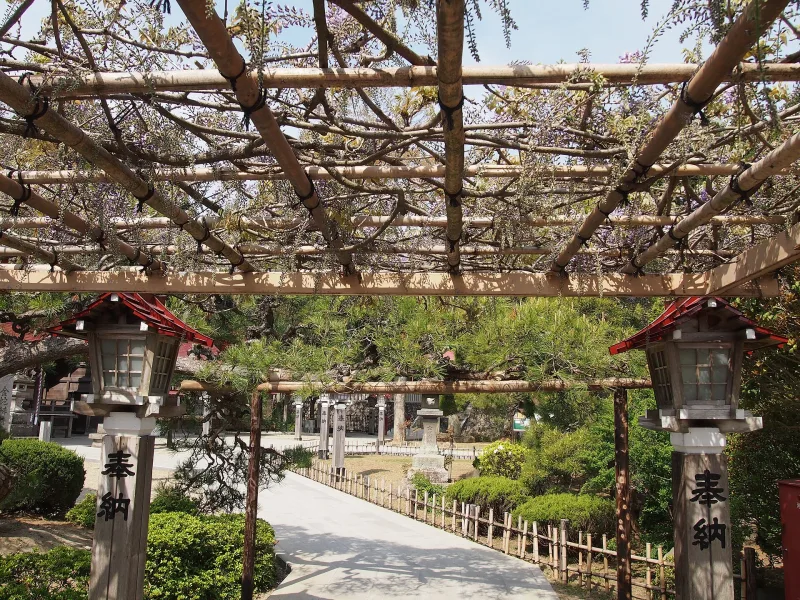
The shrine is also called the "shrine of flowers by clear water". In its grounds are the Kuryu no Fuji (Nine Dragons Wisteria), said to be 300 years old, and one of the finest peony gardens in the Tohoku region. The peony is regarded as a symbol of wealth, so it is grown as a fitting flower for this shrine. From early to mid-May, peonies, wisteria and azaleas all bloom together, and the shrine is busy with the Flower Festival and its annual grand festival.
The approach to the shrine winds like a snake's body and has been developed as SandoTerrace, with a rest area, souvenir shops, restaurants and a café.
Getting there
It is about 10 minutes by car, or about 40 minutes on foot, from Iwanuma Station on the JR Tohoku Main Line and Joban Line. There is a taxi rank in front of the station. By car, it is about 15 minutes from the Iwanuma Interchange on the Sendai-Tobu Road. During the Flower Festival, traffic restrictions and extra buses are announced, so check the official website.
Tips
- Only during the Flower Festival, a special goshuincho (a book for collecting the seals given as proof of your visit) and omamori charm with a peony and wisteria design are offered. Numbers are limited, and as a rule it is one of each per person.
- Pets may not walk on the shrine grounds, but you can visit with them in your arms or in a pet cart.
- The shrine has announced that its official website is due to be renewed in October 2026.
Sources
Updated 29 September 2026. Opening hours and prices change, so check the official site before you go.