Saijo Inari (Myokyoji Temple)
最上稲荷山妙教寺
A Buddhist temple with a giant torii and one of Japan's three great Inari sites, still honouring gods and Buddhas together in the old way.
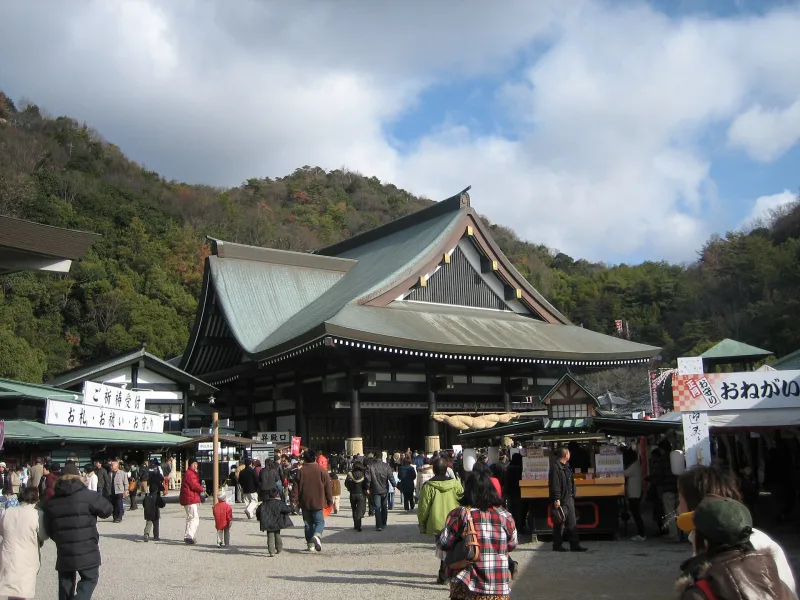
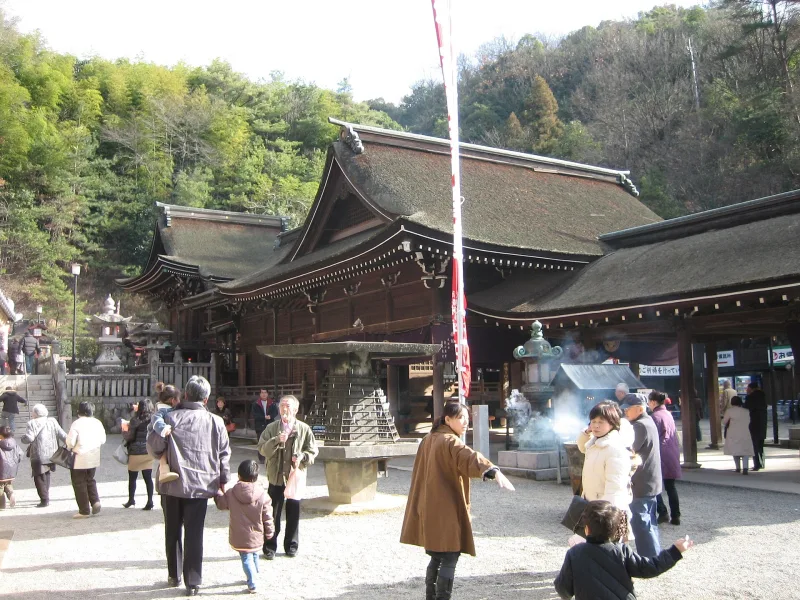
A temple with a torii
Saijo Inari is a temple of the Nichiren school of Buddhism in Takamatsu Inari, Kita Ward, Okayama City. Its formal name is Saijo Inarisan Myokyoji. Together with Fushimi Inari in Kyoto and Toyokawa Inari in Aichi, it is counted as one of Japan's three great Inari sites (though there are different versions of the list).
At the start of the Meiji era, Japan adopted a policy of separating Shinto and Buddhism. Before then, many places practised shinbutsu shugo, the fusion of Shinto and Buddhism, with shrine and temple forming a single whole. Saijo Inari is a place where this combined form of worship has been specially permitted to continue. That is why, although it is a temple, it has a torii (the gate that marks a shrine), and its main hall also has features of a shrine.
A history of more than 1,200 years
The temple's history goes back to the Nara period. In 752, the priest Hoon Daishi prayed for Empress Koken's recovery from illness at Hachijo-iwa, a rock on Mount Ryuo behind the temple, and it is said that Saijoi Kyoo Daibosatsu appeared before him. In 785, prayers for the recovery of Emperor Kanmu from illness led to the founding of the temple.
It was later burnt down in the fighting around the flooding siege of Bitchu Takamatsu Castle in the Sengoku (Warring States) period, but in 1601 it was restored with the priest Nichien Shonin as its head, and it took its current name.
Highlights of the grounds
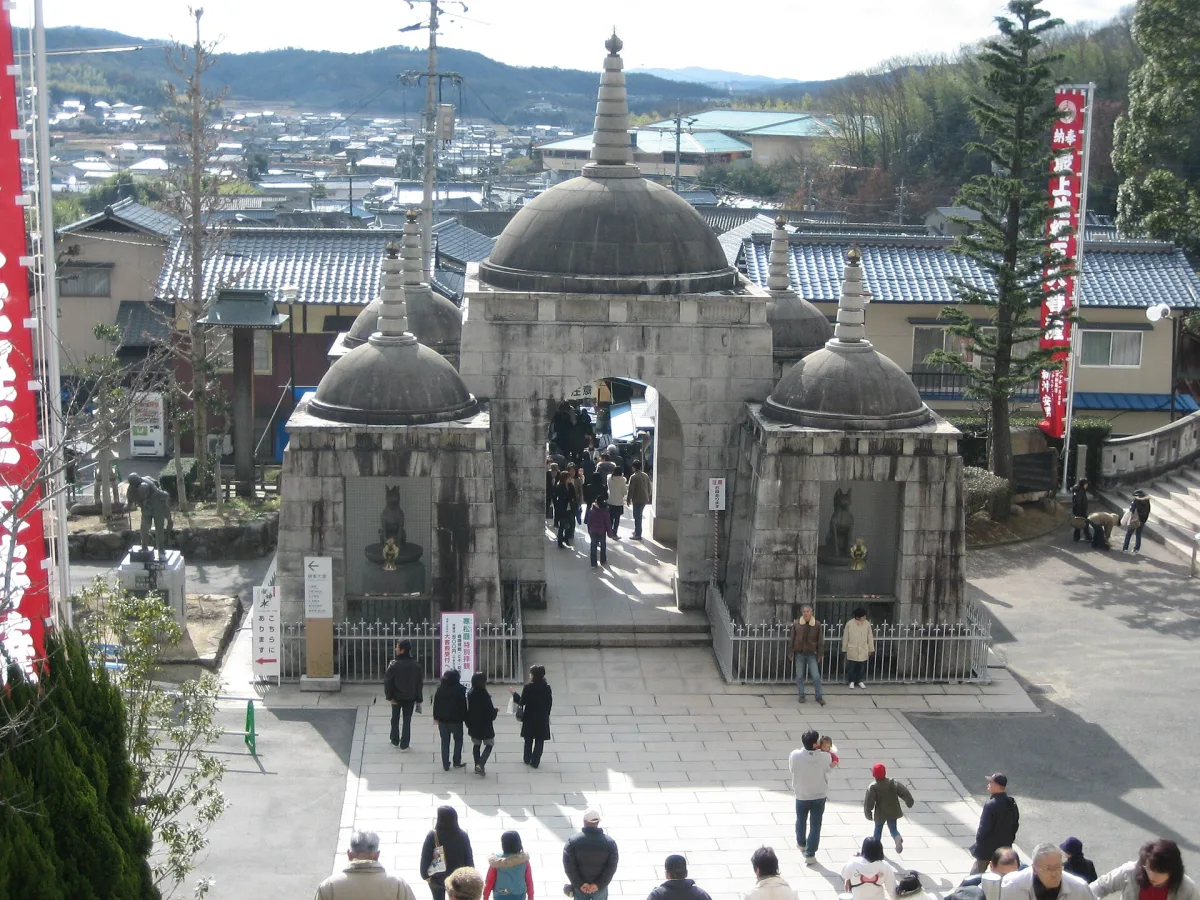
As you walk up the approach, you are first greeted by the stone Nio-mon, a gate guarded by two fierce guardian kings. Stone Nio gates are rare, and this one is a national Registered Tangible Cultural Property. Beyond it is the large main hall, Reikoden, which enshrines three deities and Buddhas known together as the Saijo Sanjin.
The former main hall, Reioden, built in 1741, is an Important Cultural Property of Okayama City. At En no Massha, a small subsidiary shrine, you can pray both for good relationships to form and for bad ones to be cut off. The basic route from the Nio gate to the main hall, En no Massha and the former main hall takes about 30 minutes.
If you have the time and energy, there is also a pilgrimage trail up to Hachijo-iwa on the hill behind. Hachijo-iwa is a huge rock with a flat surface about the size of eight tatami mats, and it looks out over sights such as the site of Bitchu Takamatsu Castle.
Getting there
The nearest station is Bitchu-Takamatsu Station on the JR Kibi Line (also called the Momotaro Line). From there it is about 5 to 10 minutes by taxi. On weekends and public holidays, a shuttle bus sometimes runs a limited number of services.
By car it is about 10 minutes from the Okayama-Soja IC on the Sanyo Expressway. There are plenty of paid car parks in the area.
Tips
- The Nio gate has lights that visitors can switch on themselves. Look out for them as you pass through the gate.
- At En no Massha you can pray both to form ties and to cut them. It helps to decide in advance what you are going to ask for.
- The walk up to Hachijo-iwa is on a mountain path, so wear comfortable shoes.
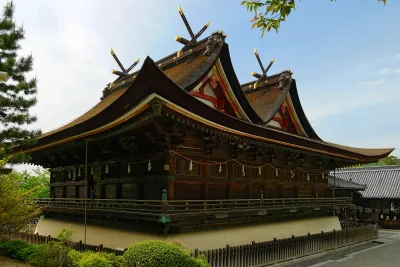
- It is also worth combining a visit with nearby Kibitsu Shrine and touring along the JR Kibi Line.
Sources
Updated 29 September 2026. Opening hours and prices change, so check the official site before you go.